The automotive industry is experiencing a paradigm shift in vehicle safety, largely driven by advancements in artificial intelligence (AI). With the recognition of the Mercedes-Benz CLA as Euro NCAP’s Best Performer of 2025, the integration of AI-powered driver assistance technologies has redefined safety standards, providing a compelling case study for Generative AI Models and Applications. This blog post aims to elucidate the implications of these developments for GenAI scientists and the broader field of automotive safety.
AI-assisted safety systems are becoming ubiquitous in modern vehicles, fundamentally altering the criteria by which safety is evaluated. The recent accolade awarded to the Mercedes-Benz CLA is a testament to this shift, showcasing how traditional passive safety measures are being complemented by advanced AI technologies. This convergence not only enhances the overall safety scores but also reflects a growing emphasis on proactive accident prevention mechanisms.
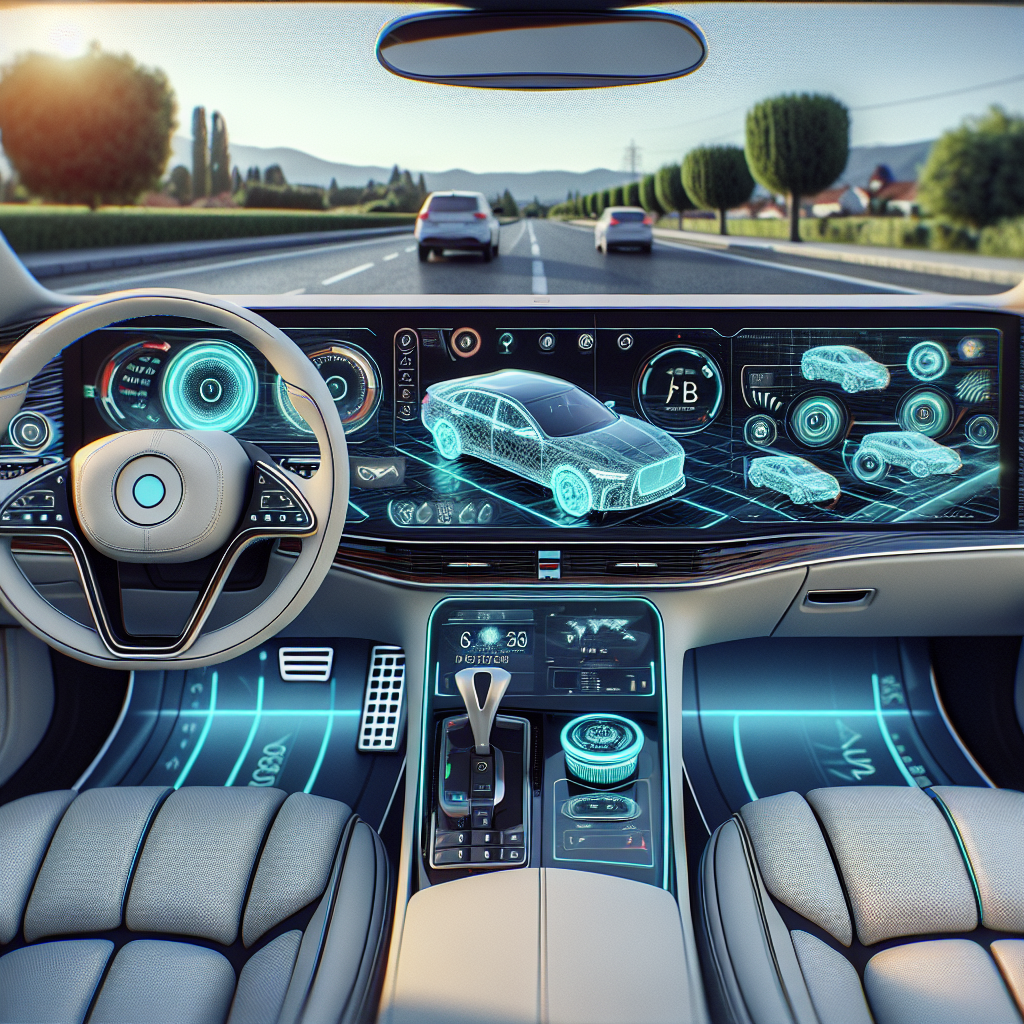
The primary goal highlighted in the original post is to enhance vehicle safety through the integration of AI technologies within the automotive sector. Achieving this involves blending established passive safety features with cutting-edge driver assistance systems powered by NVIDIA DRIVE AV software. The collaboration between Mercedes-Benz and NVIDIA exemplifies how sustained partnerships can lead to tangible improvements in vehicle safety standards.
However, it is crucial to recognize that the reliance on AI also poses challenges, such as the need for continuous monitoring and updates to AI systems to ensure they adapt to new driving environments and conditions.
The ongoing evolution of AI technologies holds significant promise for the future of automotive safety. As AI models become increasingly sophisticated, the potential for integrating deeper learning and predictive analytics into automotive systems will likely lead to even greater advancements in crash avoidance and passenger safety. Furthermore, the ability to simulate rare driving scenarios through advanced data modeling will enhance the training of AI systems, allowing for better preparedness in real-world situations.
As the automotive landscape continues to evolve, the role of GenAI scientists will be paramount in shaping the future of vehicle safety through the development of innovative AI models and applications. The intersection of AI and automotive safety is set to redefine industry standards, prioritizing not just protective measures but also the prevention of accidents.
The recognition of the Mercedes-Benz CLA as Euro NCAP’s Best Performer underscores the transformative impact of AI on vehicle safety. By harnessing advanced AI technologies, the automotive industry is moving towards a future where safety is not merely about surviving crashes but actively preventing them. This paradigm shift presents exciting opportunities and challenges for GenAI scientists, who will play a critical role in the continued advancement of safety technologies in automotive applications.
Disclaimer
The content on this site is generated using AI technology that analyzes publicly available blog posts to extract and present key takeaways. We do not own, endorse, or claim intellectual property rights to the original blog content. Full credit is given to original authors and sources where applicable. Our summaries are intended solely for informational and educational purposes, offering AI-generated insights in a condensed format. They are not meant to substitute or replicate the full context of the original material. If you are a content owner and wish to request changes or removal, please contact us directly.
Source link :