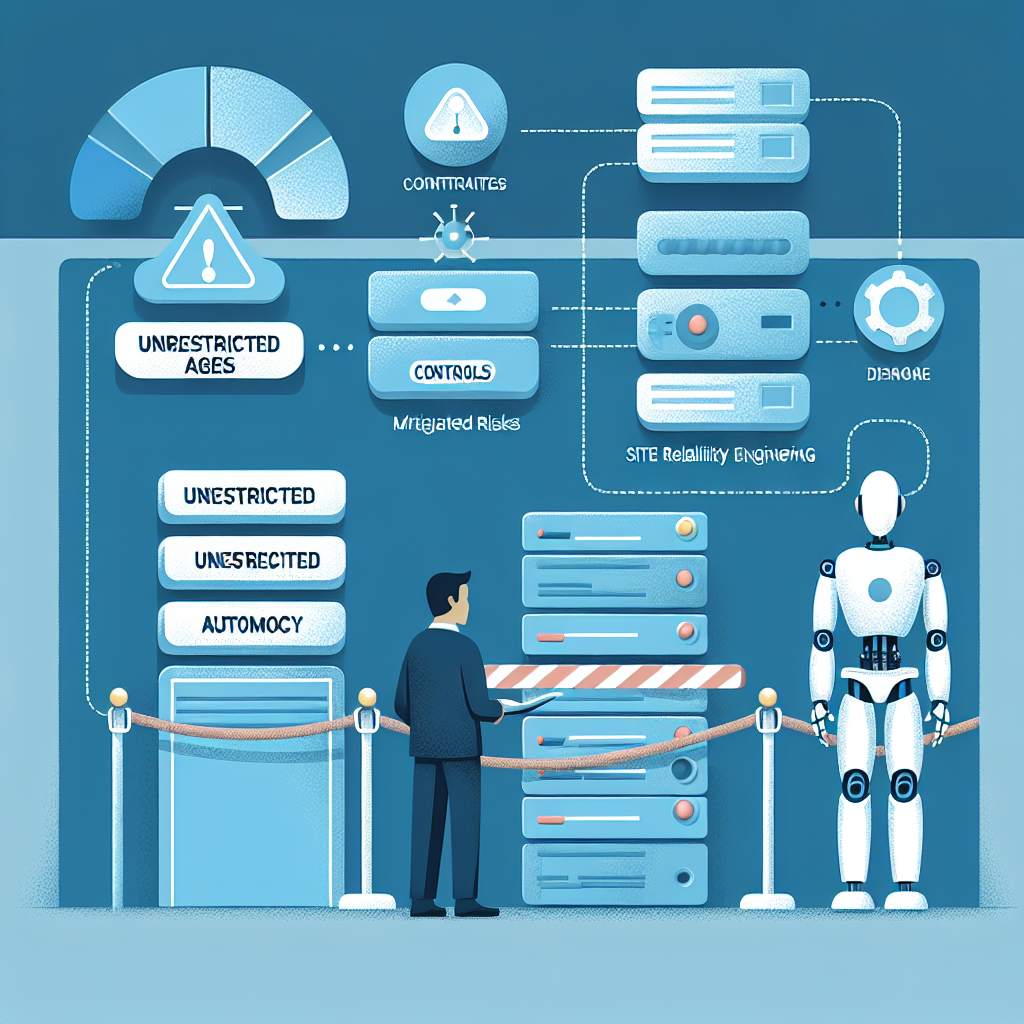
The rapid evolution of artificial intelligence (AI) within large organizations has prompted a significant shift toward the adoption of AI agents. As leaders strive to unlock substantial returns on investment (ROI), they must navigate the complexities associated with AI deployment. While the integration of AI agents holds immense potential for enhancing operational efficiency, it also raises critical concerns regarding governance, security, and accountability. This article examines the inherent risks associated with AI agent autonomy, outlining a framework for responsible adoption that ensures organizations can leverage AI’s capabilities without compromising security or ethical standards.
AI agents, while powerful, introduce several risks that organizations must address to ensure secure and effective deployment. Key areas of concern include:
To mitigate the aforementioned risks, organizations should implement the following guidelines:
Implementing a structured approach to AI agent adoption offers numerous benefits:
The landscape of AI technology is continually evolving, with emerging developments poised to reshape the interaction between organizations and AI agents. As AI capabilities advance, the emphasis on security, governance, and ethical considerations will become even more pronounced. Organizations must remain vigilant, adapting their strategies to accommodate technological advancements while ensuring that robust frameworks are in place to mitigate risks. The future of AI agents will demand an ongoing commitment to responsible practices, fostering a secure environment that nurtures innovation and protects organizational integrity.
In summary, while the deployment of AI agents presents significant opportunities for enhancing business processes, it is imperative that organizations approach this technology with a comprehensive understanding of the associated risks and implement appropriate governance frameworks. By prioritizing human oversight, embedding security measures, and ensuring output explainability, organizations can harness the power of AI agents while safeguarding their operational integrity.
Disclaimer
The content on this site is generated using AI technology that analyzes publicly available blog posts to extract and present key takeaways. We do not own, endorse, or claim intellectual property rights to the original blog content. Full credit is given to original authors and sources where applicable. Our summaries are intended solely for informational and educational purposes, offering AI-generated insights in a condensed format. They are not meant to substitute or replicate the full context of the original material. If you are a content owner and wish to request changes or removal, please contact us directly.
Source link :