Legal Implications of Copyright Takedown Notices: Athos v. YouTube Analysis

Context of the Legal Dispute

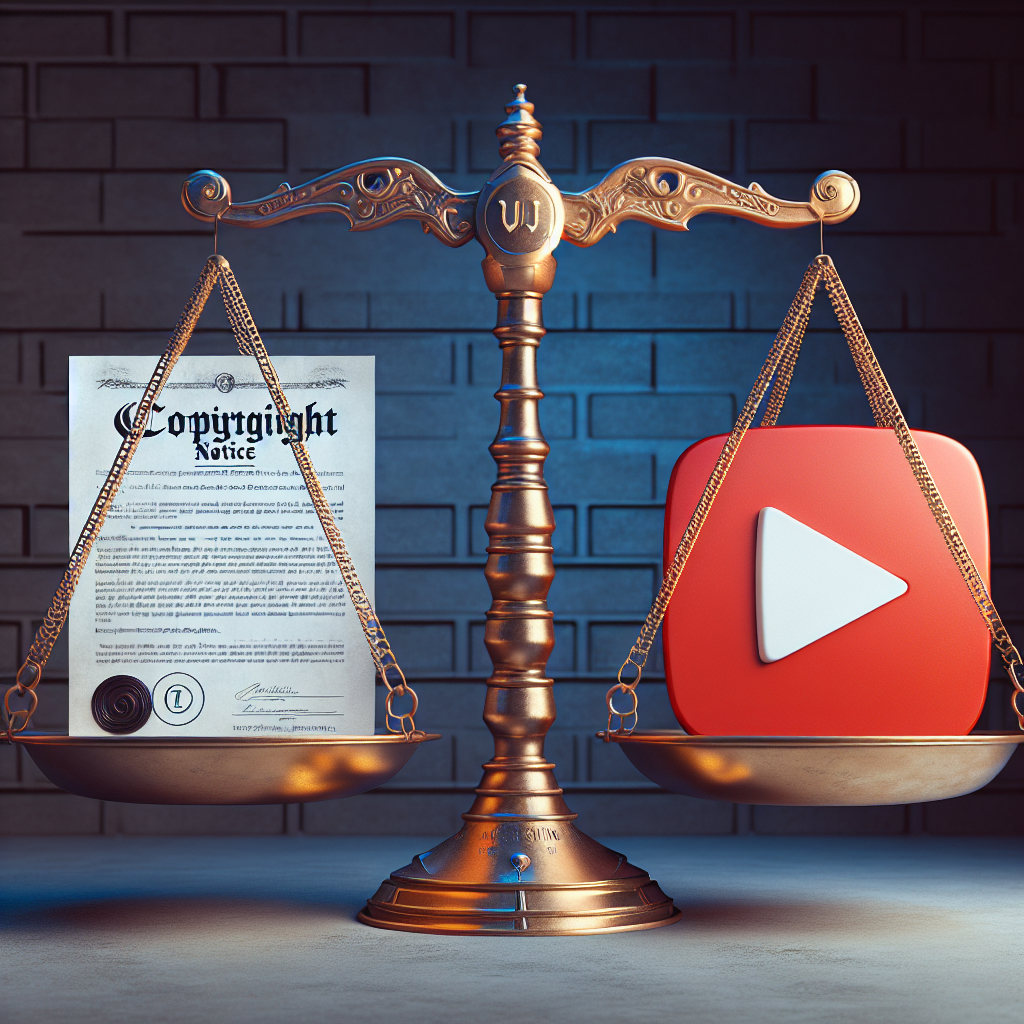
The recent case of Athos Overseas Ltd. v. YouTube, Inc. highlights significant issues regarding copyright enforcement in the digital age, particularly as it pertains to the management of content on platforms like YouTube. Athos, a company owning copyrights to numerous classic Mexican films, has faced ongoing challenges with users uploading its film clips to YouTube since 2014. Despite utilizing the standard DMCA takedown notification process, Athos found itself submitting over 3,300 takedown requests in three years without adequate resolution, ultimately leading to a lawsuit against YouTube covering approximately 7,000 clips from 570 films. YouTube successfully invoked its DMCA safe harbor, asserting that it had complied with the law by responding to takedown requests promptly.

Main Goal of the Original Post

The primary goal articulated in the original blog post is to clarify the legal obligations of digital platforms concerning copyright infringement and the limitations of the DMCA’s safe harbor provisions. The court’s decision underscores that platforms such as YouTube are not required to autonomously identify and remove all instances of copyrighted material beyond what is specifically indicated in a takedown notice. This legal precedent aims to delineate the responsibilities of content hosting services and the expectations of copyright holders, ultimately advocating for a balanced interpretation of copyright law within the context of digital content management.

Advantages of the Court’s Ruling

  • Clarity in Legal Obligations: The ruling reaffirms that digital platforms are only obligated to act upon specific takedown notices, thereby providing a clear framework for compliance.
  • Protection Against Overreach: By limiting the obligations of platforms, the court prevents the imposition of excessive burdens that could stifle innovation and content sharing.
  • Encouragement of User Accountability: The court’s decision reinforces the idea that users must take responsibility for the content they upload, thereby promoting a more ethical digital environment.
  • Technological Feasibility: The ruling recognized the limitations of current copyright management technologies, suggesting that expecting platforms to act as omniscient monitors is unrealistic and impractical.

Caveats and Limitations

Despite these advantages, there are significant limitations to consider. The court’s decision may inadvertently embolden copyright infringement practices, as it allows platforms to maintain a degree of detachment from the content uploaded by users. Furthermore, the reliance on the DMCA framework could lead to overburdened systems, where copyright holders may still find it challenging to protect their intellectual property effectively.

Future Implications of AI Developments

Looking ahead, advancements in artificial intelligence (AI) are poised to significantly impact copyright enforcement and the responsibilities of digital platforms. AI technologies have the potential to enhance copyright management tools, enabling more sophisticated content identification and monitoring capabilities. As these technologies evolve, they may facilitate a more proactive approach to copyright enforcement, potentially alleviating some of the burdens currently placed on copyright holders.

However, the integration of AI also raises important ethical and legal questions regarding accountability and the balance between user rights and copyright protection. The legal framework surrounding copyright will need to adapt to these technological advancements, ensuring that it continues to protect intellectual property while fostering innovation and fair use.

Disclaimer

The content on this site is generated using AI technology that analyzes publicly available blog posts to extract and present key takeaways. We do not own, endorse, or claim intellectual property rights to the original blog content. Full credit is given to original authors and sources where applicable. Our summaries are intended solely for informational and educational purposes, offering AI-generated insights in a condensed format. They are not meant to substitute or replicate the full context of the original material. If you are a content owner and wish to request changes or removal, please contact us directly.

Source link :

Click Here

How We Help

Our comprehensive technical services deliver measurable business value through intelligent automation and data-driven decision support. By combining deep technical expertise with practical implementation experience, we transform theoretical capabilities into real-world advantages, driving efficiency improvements, cost reduction, and competitive differentiation across all industry sectors.

We'd Love To Hear From You

Transform your business with our AI.

Get In Touch