Introduction
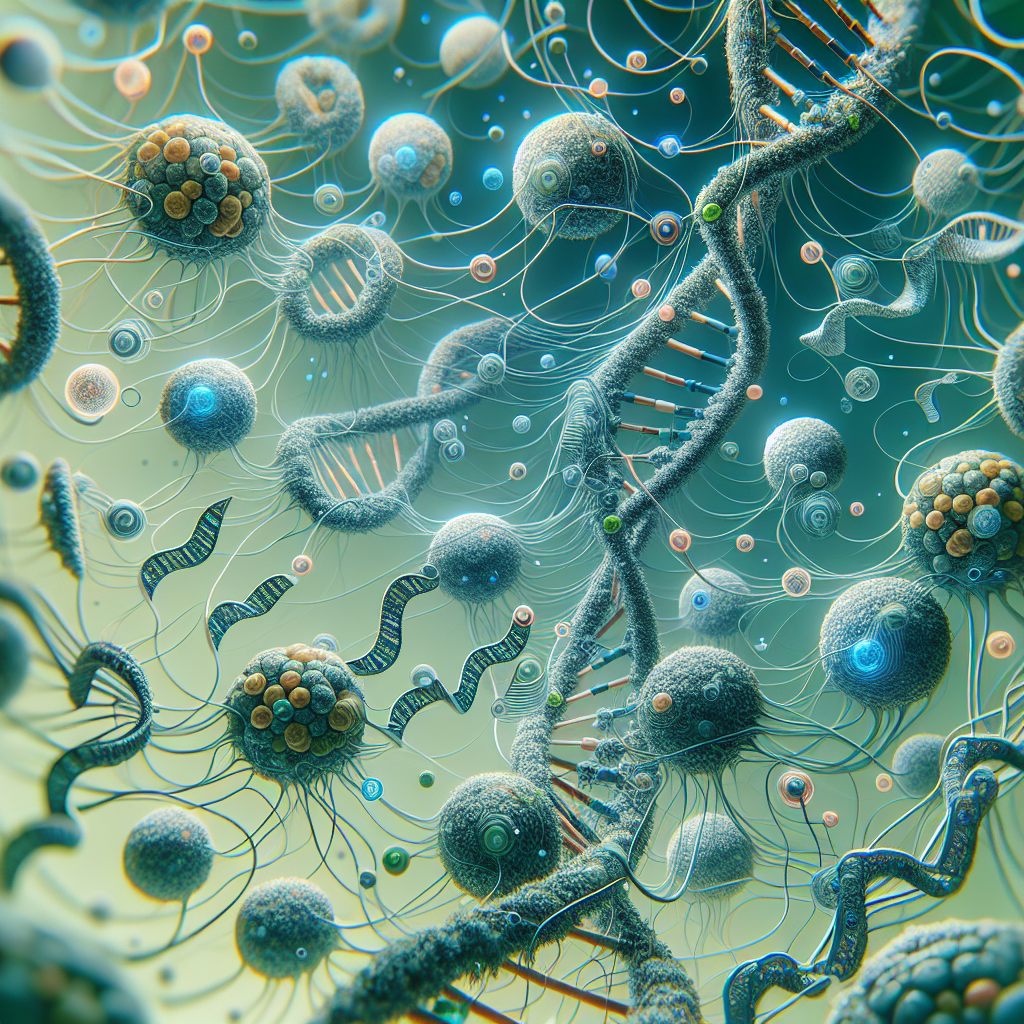
The concept of microchimerism, where cells from one individual reside in another, introduces profound implications for our understanding of human biology, identity, and health. In the field of Data Analytics and Insights, this phenomenon draws parallels to how data, much like biological cells, can be exchanged and influence systems across various domains. This blog post explores the intersection of microchimerism and data analytics, focusing on the lessons it imparts about interconnectedness, data provenance, and the holistic understanding of complex systems.
Understanding Microchimerism: A Path to Insights
The primary goal highlighted in the original discussion is to raise awareness of microchimerism and its implications for health and immunology. The phenomenon reveals that humans are not solely autonomous entities but rather collections of cells, some of which may originate from others, notably during maternal-fetal interactions. This understanding can be extended metaphorically to data analytics, where the flow of information across systems can alter interpretations and outcomes, necessitating an integrated approach to data management.
Advantages of Understanding Microchimerism in Data Analytics
- Interconnectedness: Just as microchimeric cells demonstrate biological connectedness, data sets often interact in complex ways. Recognizing these connections can lead to more robust analyses and insights.
- Data Provenance: Understanding the origins of data, similar to tracing the lineage of microchimeric cells, is crucial for ensuring data integrity and quality. This awareness can improve data governance and compliance.
- Innovative Problem Solving: The regenerative properties of microchimeric cells, which can aid in healing and adaptation, parallel the potential of data-driven insights to innovate solutions in various industries, enhancing resilience and adaptability.
- Holistic Health Insights: The implications of microchimerism extend to health outcomes. Similarly, a holistic approach in data analytics can lead to better business strategies by encompassing diverse data sources and perspectives.
Despite these advantages, there are caveats. The complexity inherent in both biological systems and data environments can lead to challenges in interpretation and application. Data analysts must navigate these intricacies carefully to avoid misinterpretations that could arise from oversimplification.
Future Implications and the Role of AI
As artificial intelligence (AI) continues to evolve, its integration into data analytics will likely mirror the transformative potential of microchimerism in biology. AI can enhance the ability to process interconnected data sets, revealing patterns and insights that were previously obscured. For instance, machine learning algorithms could effectively manage and analyze vast amounts of data, drawing parallels to how microchimeric cells contribute to complex biological functions.
Moreover, the ethical considerations surrounding AI and data usage will become increasingly pertinent. Just as microchimerism challenges traditional notions of identity and belonging, the use of AI in data analytics raises questions about ownership and data rights. Addressing these concerns will be vital as we move forward into a future where data and AI continue to shape our understanding of reality.
Conclusion
Microchimerism serves as an intriguing metaphor for the interconnectedness of life and data. By understanding how these biological principles apply to data analytics, professionals can harness insights that enhance decision-making and foster innovation. As AI technologies advance, they will further deepen our understanding of these connections, ultimately transforming how we perceive and utilize data in our increasingly complex world.
Disclaimer
The content on this site is generated using AI technology that analyzes publicly available blog posts to extract and present key takeaways. We do not own, endorse, or claim intellectual property rights to the original blog content. Full credit is given to original authors and sources where applicable. Our summaries are intended solely for informational and educational purposes, offering AI-generated insights in a condensed format. They are not meant to substitute or replicate the full context of the original material. If you are a content owner and wish to request changes or removal, please contact us directly.
Source link :
Click Here