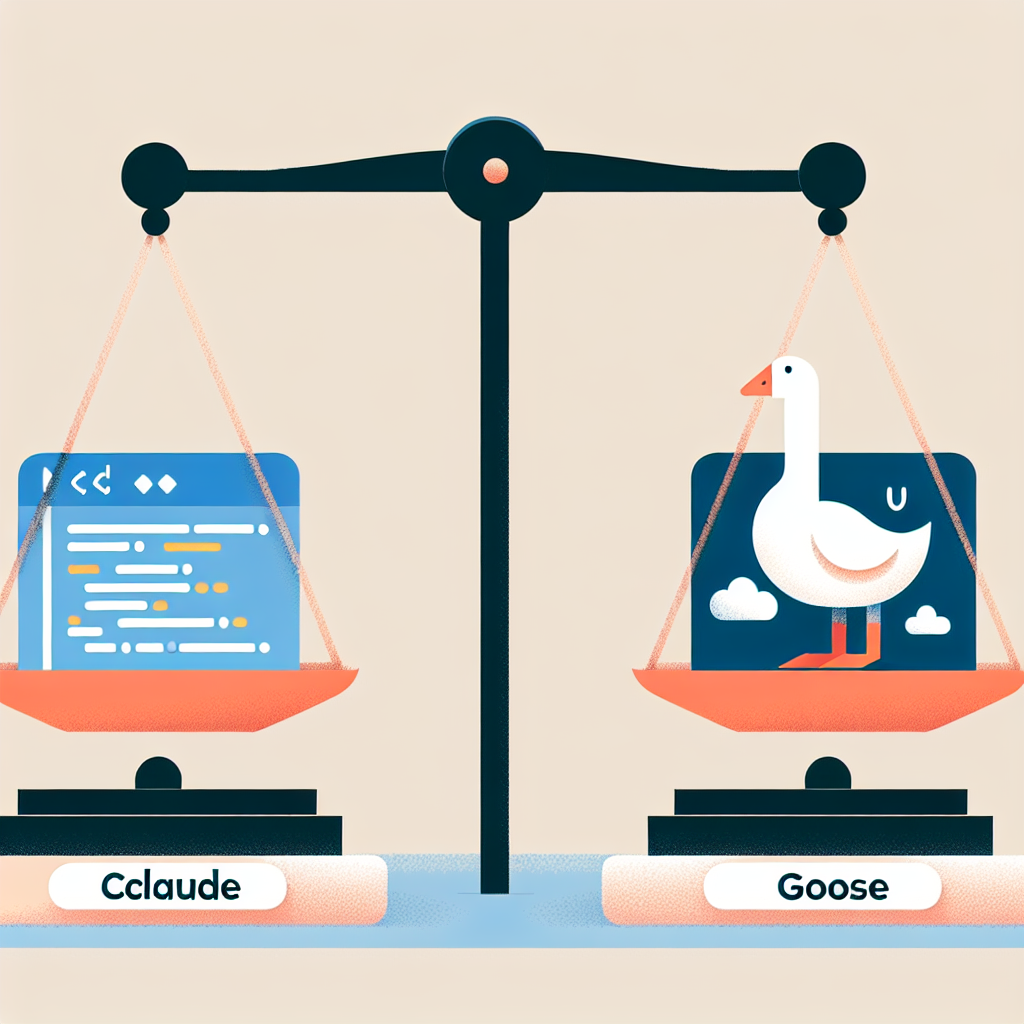
In the rapidly evolving landscape of artificial intelligence (AI) development, the emergence of tools that redefine user interaction with AI models is noteworthy. The Ralph Wiggum plugin for Claude Code epitomizes this evolution by blending a cultural reference with cutting-edge technology. This tool, released in summer 2025, has garnered significant attention within the developer community, particularly on platforms like X (formerly Twitter). It signifies a paradigm shift from traditional interactions with AI to more autonomous, persistent coding capabilities. As a result, Ralph Wiggum transforms the role of AI from a collaborative partner to an autonomous worker capable of executing complex tasks without continuous human oversight.
The primary objective of the Ralph Wiggum plugin is to enhance autonomous coding performance by overcoming the limitations associated with the “human-in-the-loop” bottleneck prevalent in many AI workflows. This bottleneck stems from the necessity for human intervention in reviewing and re-prompting AI outputs, which can hinder efficiency and creativity. By implementing a methodology that integrates unsanitized feedback loops into the coding process, the plugin allows AI to learn from its failures. This approach enables the model to iteratively refine its outputs, ultimately leading to a more efficient coding process.
Despite its advantages, the Ralph Wiggum plugin poses certain challenges that users should consider. The potential for economic inefficiencies exists due to infinite loops, which could lead to excessive API calls and budget overruns if not carefully managed. Additionally, the plugin often requires elevated permissions to function effectively, raising security concerns for users who may inadvertently grant the AI too much control. As a precaution, it is recommended to operate Ralph Wiggum in sandboxed environments to mitigate the risk of accidental data loss.
The ongoing advancements in AI technologies, exemplified by the Ralph Wiggum plugin, suggest a transformative trajectory for software development practices. As AI continues to evolve, the integration of autonomous coding tools will likely drive greater efficiencies and changes in how developers approach their work. The trend toward agentic coding represents a shift from traditional collaborative models to frameworks where AI operates independently, tackling complex tasks with minimal human intervention. This evolution could redefine skill requirements within the tech industry, emphasizing the need for developers to understand and harness AI capabilities rather than solely relying on their manual coding skills.
Disclaimer
The content on this site is generated using AI technology that analyzes publicly available blog posts to extract and present key takeaways. We do not own, endorse, or claim intellectual property rights to the original blog content. Full credit is given to original authors and sources where applicable. Our summaries are intended solely for informational and educational purposes, offering AI-generated insights in a condensed format. They are not meant to substitute or replicate the full context of the original material. If you are a content owner and wish to request changes or removal, please contact us directly.
Source link :