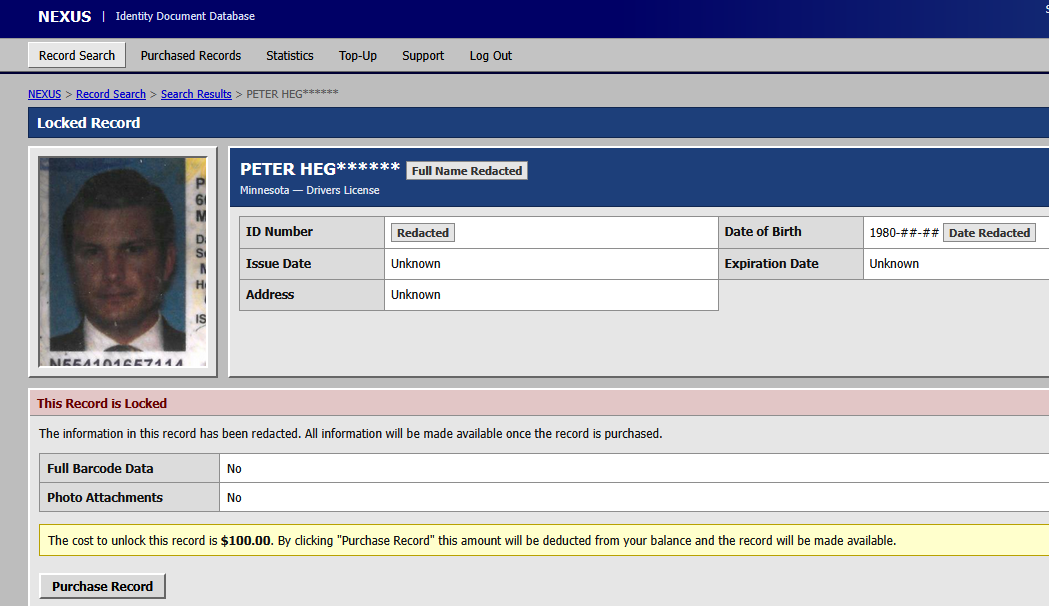
The emergence of identity theft services on the dark web poses an escalating threat to individuals and organizations alike. A recent case highlights this reality, wherein a service named Nexus reportedly sold digital scans of over 153 million drivers’ licenses from the United States and Canada. Investigations reveal that these images were likely siphoned from a prominent identity verification company based in Louisiana, prompting the Federal Bureau of Investigation (FBI) to initiate an inquiry into the source of the compromised data.
This incident underscores the vulnerabilities associated with digital identity verification systems, which are increasingly utilized by various sectors, including financial services and government agencies. As these systems become more prevalent, the potential for data breaches and unauthorized access to sensitive personal information escalates, necessitating a closer examination of the underlying technologies and their implications for cybersecurity.
The primary goal of addressing the proliferation of identity theft services is to enhance cybersecurity practices across all sectors that rely on digital identity verification. Achieving this goal involves a multi-faceted approach that includes increasing transparency in data handling, improving security protocols, and fostering collaboration between private companies and law enforcement agencies. By raising awareness of the risks associated with identity theft, stakeholders can implement more robust safeguards to protect sensitive information.
However, it is essential to note the limitations of current efforts. The rapid evolution of cybercriminal tactics means that organizations must remain vigilant and adaptive, as new threats can emerge swiftly, potentially outpacing existing safeguards.
The integration of artificial intelligence (AI) into cybersecurity is poised to significantly influence the landscape of identity verification and data protection. AI technologies can enhance the detection of fraudulent activities, allowing for real-time monitoring of data access and usage patterns. Furthermore, machine learning algorithms can analyze vast datasets to identify anomalies and potential breaches more efficiently than traditional methods.
As AI continues to evolve, its applications in cybersecurity will likely expand, leading to more sophisticated solutions for detecting and mitigating identity theft. However, this advancement also raises concerns regarding the use of AI by cybercriminals, who may leverage similar technologies to enhance their tactics. Thus, ongoing research and development will be crucial in ensuring that cybersecurity measures remain one step ahead of emerging threats.
In conclusion, the case of the Nexus identity theft service illustrates the critical need for improved cybersecurity practices in the face of evolving digital threats. By fostering collaboration, enhancing data security measures, and embracing AI technologies, organizations can better safeguard sensitive information and protect consumers from identity fraud.
Disclaimer
The content on this site is generated using AI technology that analyzes publicly available blog posts to extract and present key takeaways. We do not own, endorse, or claim intellectual property rights to the original blog content. Full credit is given to original authors and sources where applicable. Our summaries are intended solely for informational and educational purposes, offering AI-generated insights in a condensed format. They are not meant to substitute or replicate the full context of the original material. If you are a content owner and wish to request changes or removal, please contact us directly.
Source link :