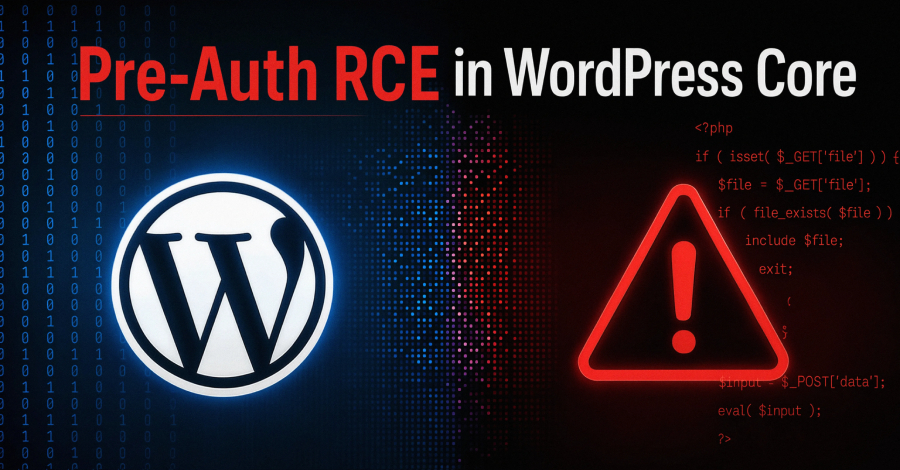
The recent discovery of a critical vulnerability, termed wp2shell, within the WordPress core framework has raised significant concerns regarding web security. This flaw allows unauthenticated attackers to execute arbitrary code on WordPress installations, even those with no additional plugins. The vulnerability affects WordPress versions 6.9.0 through 6.9.4 and 7.0.0 through 7.0.1, which were subsequently patched in updates released on July 17, 2026. The implications of this vulnerability extend beyond the immediate threat to affected websites, highlighting broader vulnerabilities inherent in popular open-source platforms.
The primary goal of addressing the wp2shell vulnerability is to enhance the overall security posture of WordPress installations. This can be achieved through prompt updates to the affected versions, thus preventing unauthorized access and potential exploitation by malicious actors. The proactive measures taken by WordPress to implement forced updates through its auto-update system exemplify an effective strategy in mitigating such vulnerabilities. By ensuring that users are running the latest versions, the risk of exploitation is significantly reduced.
Despite the advantages of prompt updates, several caveats must be considered. Notably, the forced updates may not reach installations where auto-updates have been disabled, leaving those sites vulnerable. Additionally, the absence of a CVE ID or CVSS score for the wp2shell vulnerability may hinder tracking and identification efforts, complicating the response for cybersecurity professionals.
The integration of Artificial Intelligence (AI) in the realm of cybersecurity is poised to significantly alter the landscape of vulnerability management and threat detection. As AI technologies evolve, they will enhance the capabilities of cybersecurity experts in several ways:
However, the adoption of AI in cybersecurity also presents challenges. The potential for AI-driven attacks necessitates continuous advancements in defensive measures. Moreover, the reliance on automated systems may inadvertently lead to complacency among cybersecurity professionals, highlighting the need for a balanced approach that combines human expertise with technological advancements.
In summary, the wp2shell vulnerability underscores the critical importance of maintaining robust security practices within the WordPress ecosystem. The swift response by WordPress to patch the vulnerability demonstrates a commitment to user security; however, ongoing vigilance is essential to protect against future threats. As AI continues to evolve, its integration into cybersecurity will offer new tools and strategies, but it will also require a proactive approach from cybersecurity experts to stay ahead of emerging threats.
Disclaimer
The content on this site is generated using AI technology that analyzes publicly available blog posts to extract and present key takeaways. We do not own, endorse, or claim intellectual property rights to the original blog content. Full credit is given to original authors and sources where applicable. Our summaries are intended solely for informational and educational purposes, offering AI-generated insights in a condensed format. They are not meant to substitute or replicate the full context of the original material. If you are a content owner and wish to request changes or removal, please contact us directly.
Source link :