In the evolving landscape of data engineering, the integration of various platforms for effective data management is critical. As organizations endeavor to leverage data for analytics and artificial intelligence (AI) applications, the challenges they encounter often extend beyond mere coding issues. Data engineers, analysts, and scientists require a coherent understanding of data lineage, transformations, and operational expectations. This necessitates a unified approach to metadata management that encapsulates business context, technical metadata, and governance across diverse platforms such as Alation and Amazon SageMaker Unified Studio. When metadata is siloed within different teams or systems, inefficiencies arise, leading to duplicated efforts and conflicting definitions. A unified metadata foundation is essential for ensuring that data remains trustworthy, accessible, and actionable across various analytics and AI initiatives.
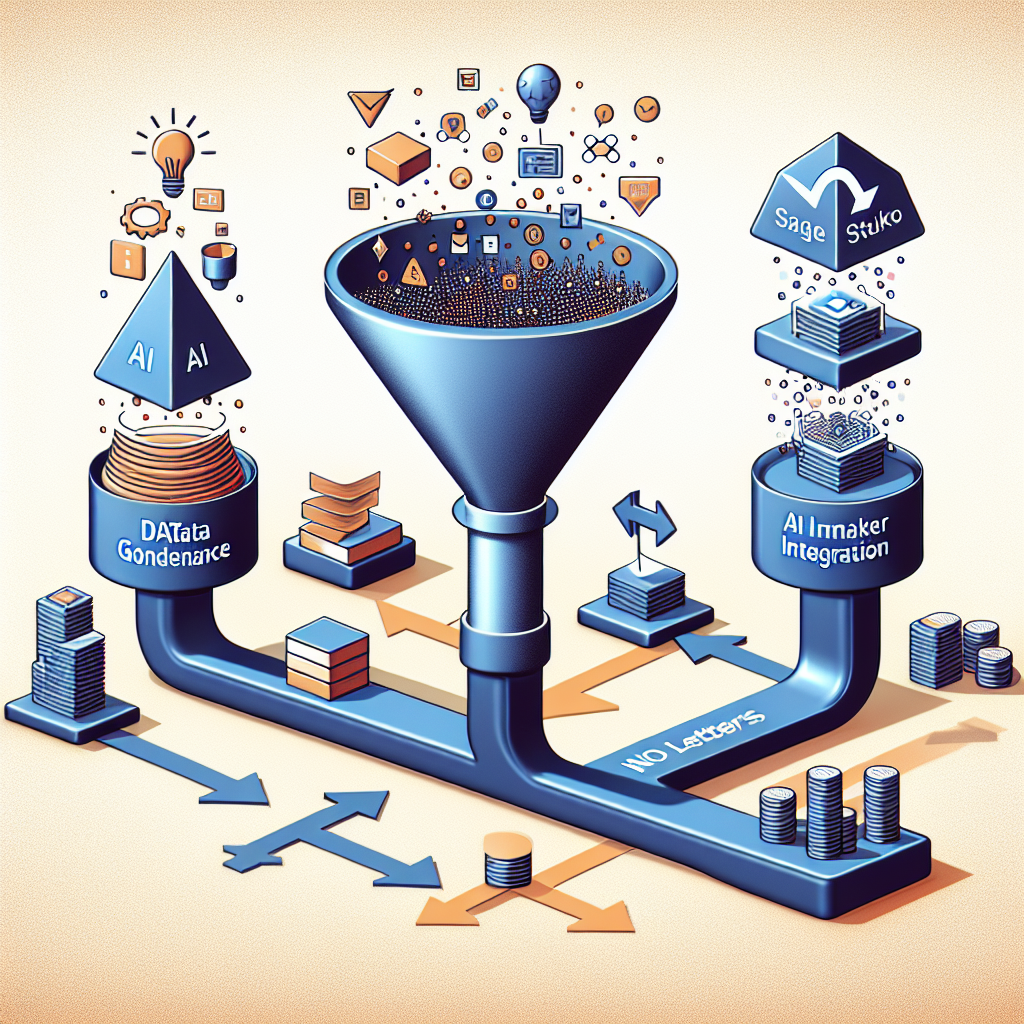
The recent integration between Alation and Amazon SageMaker Unified Studio aims to address these challenges by synchronizing catalog metadata. This synchronization fosters collaboration between technical and business teams, allowing them to work with the same metadata, thereby enhancing data traceability and understanding across the data lifecycle.
The primary objective of the Alation and Amazon SageMaker Unified Studio integration is to establish a unified metadata governance framework that enhances data discoverability, governance, and compliance. Achieving this goal involves the automatic synchronization of metadata between the two platforms, which allows for a centralized view of assets and their associated information. This integration provides clear provenance, allowing organizations to track data origins and ensure regulatory compliance effectively. By leveraging this integration, organizations can streamline their data workflows, reduce metadata duplication, and foster a more collaborative environment for data professionals.
1. **Enhanced Data Discoverability**: With a unified metadata layer, data engineers and scientists can quickly locate and access relevant datasets, significantly reducing the time spent on data discovery.
2. **Improved Collaboration**: The synchronization of metadata fosters better collaboration between technical teams using SageMaker and business teams utilizing Alation, reducing conflicts and misunderstandings.
3. **Consistent Governance**: A singular source of truth for metadata enables consistent governance policies, which is crucial for compliance with regulatory requirements and maintaining data integrity.
4. **Traceability and Auditability**: The integration ensures that all metadata updates include comprehensive provenance information, which supports audit trails necessary for compliance and data stewardship.
5. **Operational Efficiency**: By automating metadata extraction and synchronization, organizations can reduce manual efforts in metadata management, allowing data teams to focus on value-added activities such as analysis and insight generation.
6. **Security and Compliance Assurance**: The integration adheres to enterprise security practices by employing least-privilege access controls and encrypted communication, ensuring that sensitive data remains protected during synchronization processes.
While these advantages are compelling, organizations must also consider potential limitations, such as the initial setup complexity and the need for ongoing governance to ensure metadata remains accurate and relevant.
As artificial intelligence continues to evolve, its integration within data engineering processes will likely deepen. Enhanced capabilities in AI are expected to automate data governance tasks further, including lineage tracking and anomaly detection in data quality. The future may also see the introduction of bi-directional synchronization capabilities, enabling metadata updates from either Alation or SageMaker, thus providing greater flexibility in managing data changes. This shift will empower organizations to adopt more agile and responsive data practices, aligning them with fast-paced business needs.
In conclusion, the integration of Alation and Amazon SageMaker Unified Studio represents a significant advancement in unified metadata governance, positioning organizations to better navigate the complexities of data engineering while maximizing the value derived from their data assets.
Disclaimer
The content on this site is generated using AI technology that analyzes publicly available blog posts to extract and present key takeaways. We do not own, endorse, or claim intellectual property rights to the original blog content. Full credit is given to original authors and sources where applicable. Our summaries are intended solely for informational and educational purposes, offering AI-generated insights in a condensed format. They are not meant to substitute or replicate the full context of the original material. If you are a content owner and wish to request changes or removal, please contact us directly.
Source link :