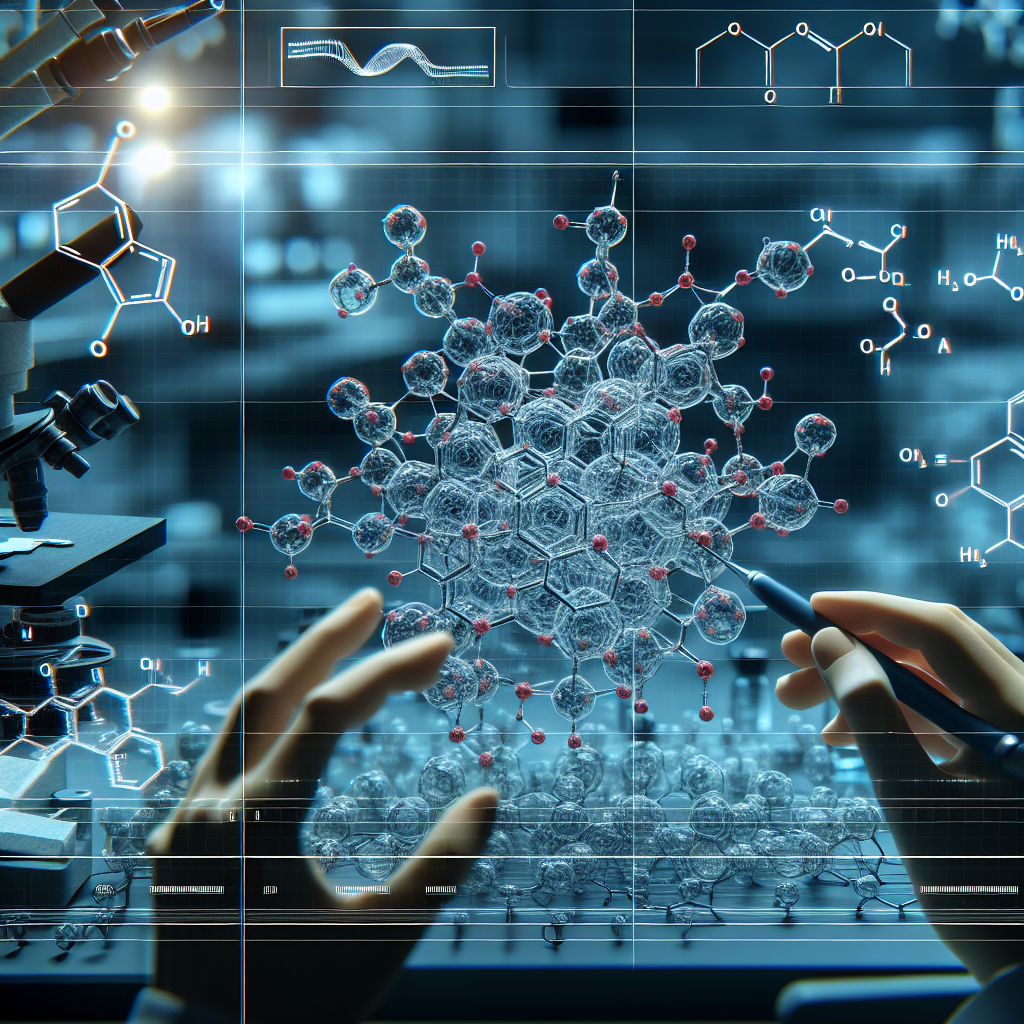
In recent developments within the pharmaceutical and biotechnology sectors, the use of artificial intelligence (AI) has emerged as a transformative force in research and development (R&D). Specifically, the release of the Structurally Augmented IC50 Repository (SAIR) by SandboxAQ marks a significant milestone in bridging the data deficit that has traditionally constrained AI applications in drug discovery. This repository, the largest of its kind, comprises over 5 million AI-generated, high-accuracy protein-ligand 3D structures, each associated with experimentally determined IC₅₀ values, thereby establishing a crucial link between molecular architecture and pharmacological efficacy. By democratizing access to this dataset on platforms like Hugging Face, researchers across various domains can harness this wealth of information to expedite the drug development process.
The primary objective of the SAIR initiative is to streamline and enhance the drug discovery pipeline by providing high-quality, structured data that can be utilized to train AI models. The integration of AI technologies aims to overcome traditional bottlenecks in drug R&D, such as the lengthy and resource-intensive processes associated with determining protein structures and predicting their interactions with potential drug candidates. By leveraging the SAIR dataset, researchers can transition more aspects of drug design from labor-intensive wet laboratory experiments to computational in silico methods, thereby significantly reducing the time and cost involved in bringing new therapeutics to market.
While the advantages of SAIR are significant, it is essential to acknowledge certain limitations. The reliance on AI-generated structures may introduce uncertainties that need careful validation in practical applications. Furthermore, the dataset does not encompass all potential drug targets, particularly those represented within the “dark proteome,” which could limit its applicability in certain contexts. Researchers must remain vigilant in interpreting AI predictions and complementing them with experimental validation where feasible.
The implications of advancements in AI, particularly through datasets like SAIR, signal a paradigm shift in pharmaceutical research. As AI models continue to evolve, their capacity to predict complex molecular interactions will enhance, potentially leading to the discovery of novel drug candidates and therapeutic strategies. This evolution promises not only to improve the efficiency of drug development but also to foster innovation in addressing previously undruggable targets. The continuous integration of high-quality structural data will play a pivotal role in shaping the future landscape of drug discovery, ultimately leading to more effective and personalized treatment options for patients.
Disclaimer
The content on this site is generated using AI technology that analyzes publicly available blog posts to extract and present key takeaways. We do not own, endorse, or claim intellectual property rights to the original blog content. Full credit is given to original authors and sources where applicable. Our summaries are intended solely for informational and educational purposes, offering AI-generated insights in a condensed format. They are not meant to substitute or replicate the full context of the original material. If you are a content owner and wish to request changes or removal, please contact us directly.
Source link :