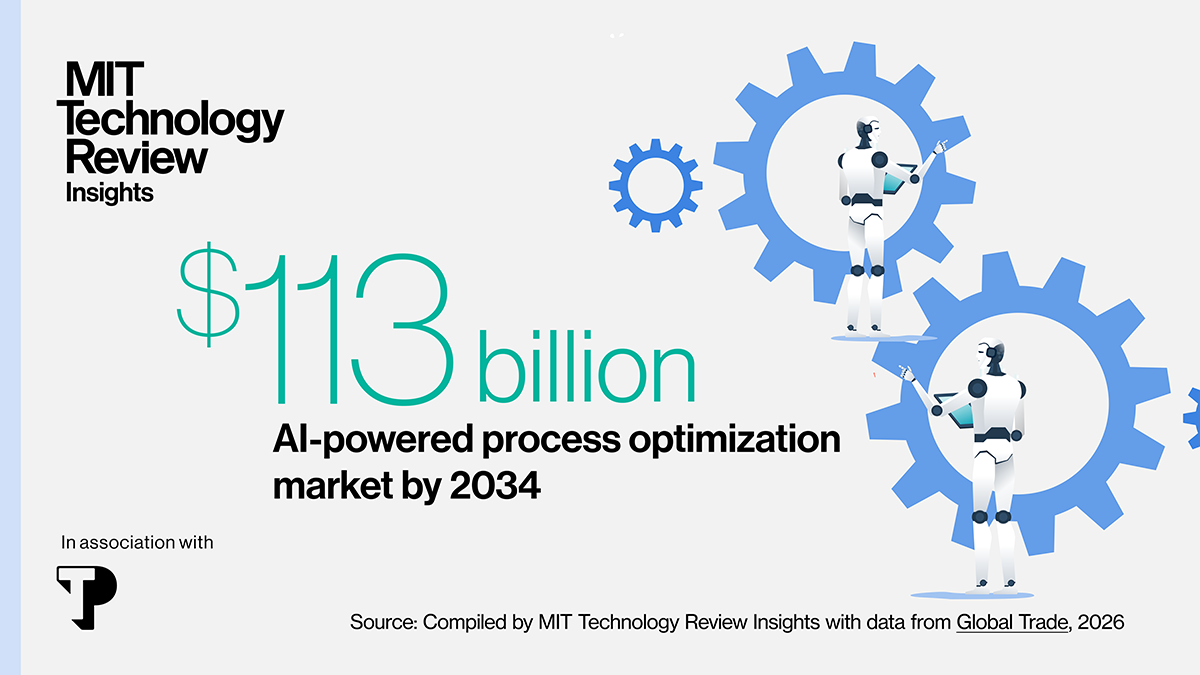
The integration of artificial intelligence (AI) into organizational frameworks represents a transformative opportunity for enhancing operational efficiency. However, as highlighted in recent discussions on achieving operational excellence through AI, the potential benefits of such technologies can only be realized when they are anchored within robust operational structures. Organizations that prioritize process discipline are better equipped to leverage AI capabilities effectively, as they already employ data-driven decision-making protocols. This cultural readiness is essential for harnessing the full value of AI systems, creating a synergistic relationship between technology and established processes.
The principal objective of incorporating AI into operational frameworks is to enhance process efficiencies that ultimately lead to superior business outcomes. This goal can be achieved through a systematic approach that emphasizes the integration of AI technologies with existing operational protocols. Companies that have laid a solid foundation in process discipline can better channel AI tools, thereby fostering an environment where both technological advancements and operational strategies work in tandem.
1. **Enhanced Decision-Making**: Organizations that possess mature process disciplines are already familiar with data-driven methodologies. The integration of AI into these frameworks can refine decision-making processes, enabling faster and more accurate responses to market changes.
2. **Increased Efficiency**: AI can streamline operations by automating repetitive tasks and providing insights that help optimize workflows. This leads to significant time and cost savings, which can be reinvested into other areas of the business.
3. **Scalability**: Well-defined processes allow organizations to scale AI solutions effectively. When AI tools are embedded within existing operational systems, they can be expanded or adapted with greater ease, facilitating growth without compromising quality.
4. **Improved Collaboration**: The fusion of AI and established processes fosters a collaborative workplace culture. Teams can utilize AI-generated insights to work more cohesively, aligning their objectives and strategies seamlessly.
5. **Sustainable Innovation**: Organizations that successfully integrate AI with their operational frameworks cultivate an environment of continuous improvement. This positions them to adapt swiftly to technological advancements and market demands, ensuring long-term sustainability.
Despite these advantages, there are caveats to consider. Organizations must ensure that their foundational processes are sufficiently robust to support the complexities introduced by AI. Failure to do so may result in operational disruptions or diminished returns on AI investments.
As AI technologies continue to evolve, their implications for operational excellence will expand significantly. Future advancements in AI capabilities—such as machine learning, natural language processing, and predictive analytics—will further enhance the ability of organizations to optimize their processes. The increasing sophistication of AI tools will likely lead to even more profound integrations with operational strategies, driving innovation and efficiency to unprecedented levels.
However, as organizations embrace these advancements, they must remain vigilant in maintaining the integrity of their foundational processes. The success of AI integration hinges not only on the technologies themselves but also on the organizational culture that supports them. Companies that prioritize this holistic approach will be best positioned to navigate the complexities of the future business landscape.
In conclusion, the interplay between AI and operational excellence is pivotal for organizations seeking to thrive in an increasingly competitive environment. By establishing a strong foundation built on process discipline, companies can unlock the transformative potential of AI, paving the way for sustainable growth and innovation.
Disclaimer
The content on this site is generated using AI technology that analyzes publicly available blog posts to extract and present key takeaways. We do not own, endorse, or claim intellectual property rights to the original blog content. Full credit is given to original authors and sources where applicable. Our summaries are intended solely for informational and educational purposes, offering AI-generated insights in a condensed format. They are not meant to substitute or replicate the full context of the original material. If you are a content owner and wish to request changes or removal, please contact us directly.
Source link :