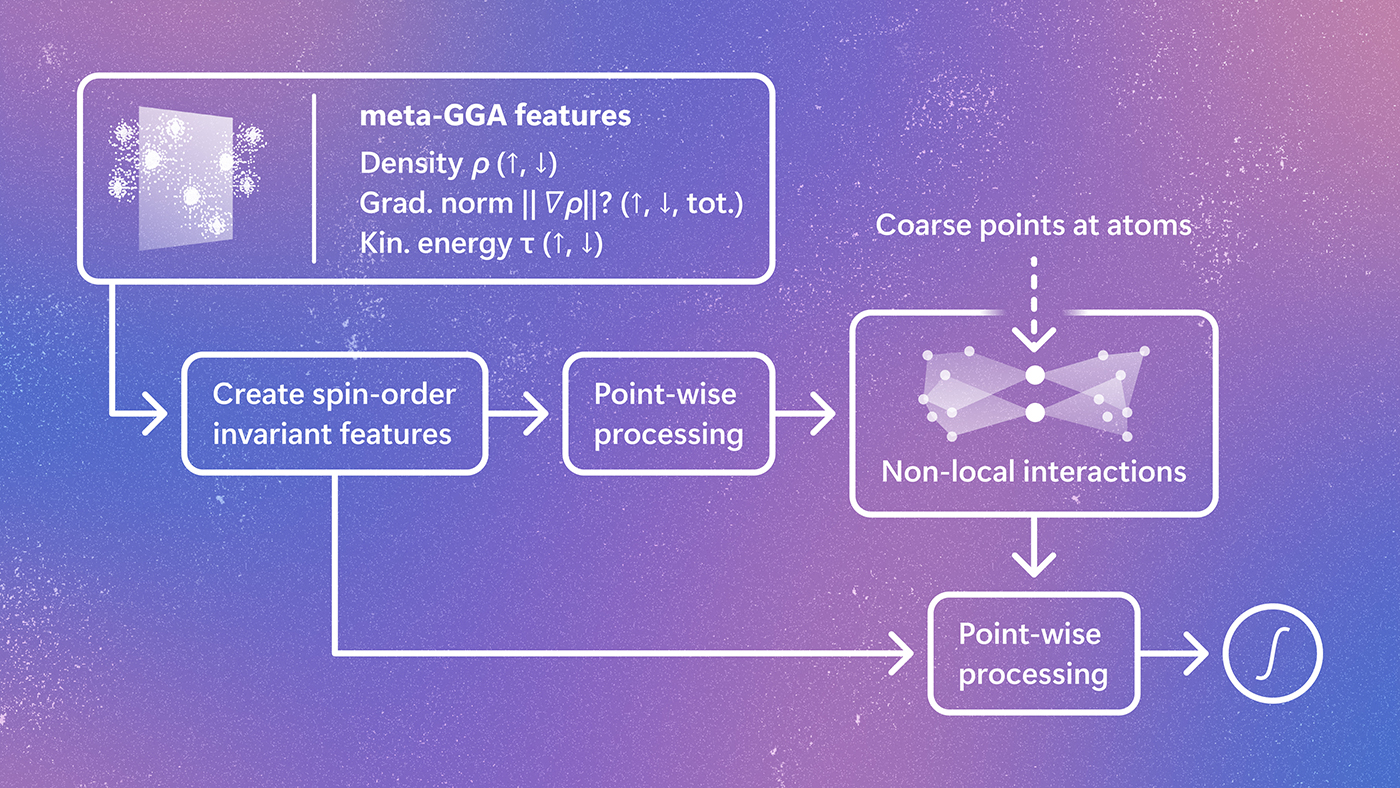
The ongoing evolution of computational chemistry is marked by significant advancements in density functional theory (DFT), particularly with the introduction of the Skala framework. Skala represents a paradigm shift in the accessibility and accuracy of DFT, designed to address the pressing demands of molecular simulations across various scientific fields. By leveraging deep learning techniques, Skala aims to refine predictions in thermochemistry, reaction kinetics, and molecular structure, thereby accelerating the integration of computational chemistry into diverse workflows. This transformative approach signifies a pivotal moment for digital marketers and researchers alike, as it enhances the reliability of in-silico discoveries that drive innovation.
The primary goal of the Skala initiative is to enhance the accuracy of DFT predictions while increasing accessibility within the scientific community. Achieving this goal involves two interconnected strategies: expanding the dataset utilized for training and fostering collaborations with established electronic-structure software developers. The recent release of Skala-1.1 illustrates this continuous improvement model, as it has been trained on 2.5 times more data than its predecessor, resulting in a marked increase in performance across key molecular simulation challenges.
1. **Enhanced Accuracy**: Skala-1.1 has been shown to outperform existing leading global hybrid functionals in various benchmarks, including the widely acknowledged GMTKN55 suite. This achievement underscores Skala’s potential to provide more reliable predictions in chemical properties, which is essential for industries that rely on precise computational outcomes.
2. **Integration with Major Software Packages**: Skala is now available in widely-used platforms such as CP2K, with ongoing integrations into Psi4, FHI-aims, ORCA, and VASP. This broad accessibility ensures that researchers can seamlessly incorporate advanced DFT capabilities into their existing workflows, thus promoting efficiency and collaboration.
3. **Living Benchmarking System**: The introduction of a living benchmark to track Skala’s performance over time allows for continuous assessment and improvement. This transparency not only fosters trust within the scientific community but also encourages the iterative enhancement of computational methodologies.
4. **Accessibility Across Research Settings**: By making Skala’s advancements available within existing software ecosystems, the initiative ensures that researchers across various disciplines—ranging from chemistry to drug discovery—can benefit from improved DFT accuracy without the need for extensive retraining on new systems.
5. **Collaborative Development**: The cooperative efforts with the CASUS team and other software developers exemplify a commitment to community-driven progress. This collaborative framework allows for the sharing of expertise and resources, ultimately leading to more robust and reliable computational tools.
While the advancements presented by Skala are promising, certain limitations warrant attention. The accuracy gains, while significant, may not be universally applicable across all chemical systems. Additionally, the integration of Skala into existing platforms requires ongoing updates and optimizations, which may present challenges for less technically proficient users. As such, continuous support and educational resources will be crucial in maximizing the benefits of this advanced framework.
The landscape of computational chemistry is poised for transformative changes driven by AI advancements. As models like Skala evolve, we can anticipate a future where predictive accuracy becomes the norm rather than the exception. This shift is likely to facilitate breakthroughs in areas such as materials science, catalysis, and energy technology, leading to more efficient experimental designs and accelerated discovery processes.
Furthermore, as AI continues to integrate into computational methodologies, the democratization of access to these tools will empower a broader cohort of researchers and industries. This democratization could enhance collaborative efforts, foster interdisciplinary research, and ultimately catalyze innovations that address complex global challenges.
In conclusion, the Skala initiative not only represents a leap forward in predictive DFT but also establishes a framework for future advancements in computational chemistry, underscoring the vital role of AI in shaping the next generation of scientific research and application.
Disclaimer
The content on this site is generated using AI technology that analyzes publicly available blog posts to extract and present key takeaways. We do not own, endorse, or claim intellectual property rights to the original blog content. Full credit is given to original authors and sources where applicable. Our summaries are intended solely for informational and educational purposes, offering AI-generated insights in a condensed format. They are not meant to substitute or replicate the full context of the original material. If you are a content owner and wish to request changes or removal, please contact us directly.
Source link :