Context
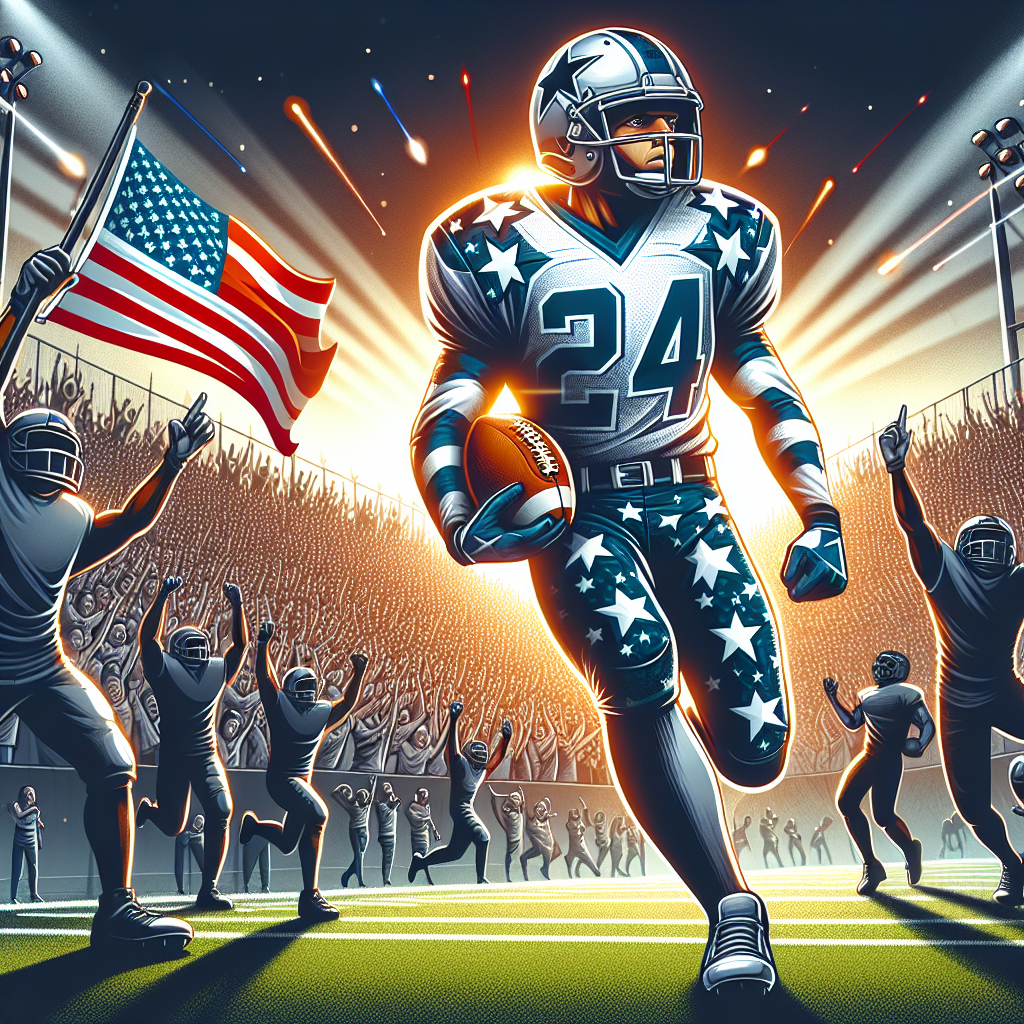
The recent decision by the Dallas Cowboys to draft standout safety Caleb Downs after trading up from the 12th to the 11th position in the NFL Draft illustrates a strategic approach to enhancing team performance through analytics and player evaluation. This decision was influenced by the team’s previous trade involving Micah Parsons, which provided them with additional first-round picks. The Cowboys’ decision-making process is emblematic of a broader trend within sports organizations: leveraging Artificial Intelligence (AI) and advanced analytics to inform talent acquisition strategies.
Main Goal and Achievement
The primary objective of the Cowboys’ draft strategy was to strengthen their defense by acquiring a player capable of making an immediate impact. This goal can be achieved through meticulous player evaluation processes that utilize AI algorithms to analyze player performance metrics, injury histories, and fit within the team’s existing schemes. By trading up to secure Caleb Downs, who is perceived as a potentially transformative player, the Cowboys are aiming to address their defensive shortcomings and improve overall team performance.
Advantages of AI in Sports Analytics
- Enhanced Decision-Making: AI enables teams to process vast amounts of data rapidly, identifying trends and player performance indicators that may not be immediately apparent through traditional analysis.
- Injury Prediction and Management: Advanced analytics can provide insights into players’ health, allowing teams to make informed decisions regarding player acquisitions and their potential longevity with the team.
- Strategic Trade Evaluations: AI can assess the value of trading picks and players, helping teams like the Cowboys determine the most beneficial moves in the draft.
- Customized Player Development: AI tools can tailor training regimens and game strategies to optimize individual player performance based on their unique skill sets and physical attributes.
While these advantages present significant opportunities, it is important to note potential limitations, such as reliance on data quality and the inherent unpredictability of player performance.
Future Implications of AI Developments
The ongoing integration of AI into sports analytics is poised to reshape the landscape of player evaluation and team management in the NFL and beyond. As AI technologies advance, we can anticipate improved predictive modeling capabilities that will offer deeper insights into player performance, leading to more precise scouting and drafting processes. Furthermore, as organizations increasingly adopt AI-driven methodologies, the competitive advantage held by early adopters may diminish, prompting a rapid evolution in how teams approach talent acquisition and player development.
Disclaimer
The content on this site is generated using AI technology that analyzes publicly available blog posts to extract and present key takeaways. We do not own, endorse, or claim intellectual property rights to the original blog content. Full credit is given to original authors and sources where applicable. Our summaries are intended solely for informational and educational purposes, offering AI-generated insights in a condensed format. They are not meant to substitute or replicate the full context of the original material. If you are a content owner and wish to request changes or removal, please contact us directly.
Source link :