Comparative Analysis of AI and Faculty Performance in Law School Exam Grading

Context of AI in Legal Education

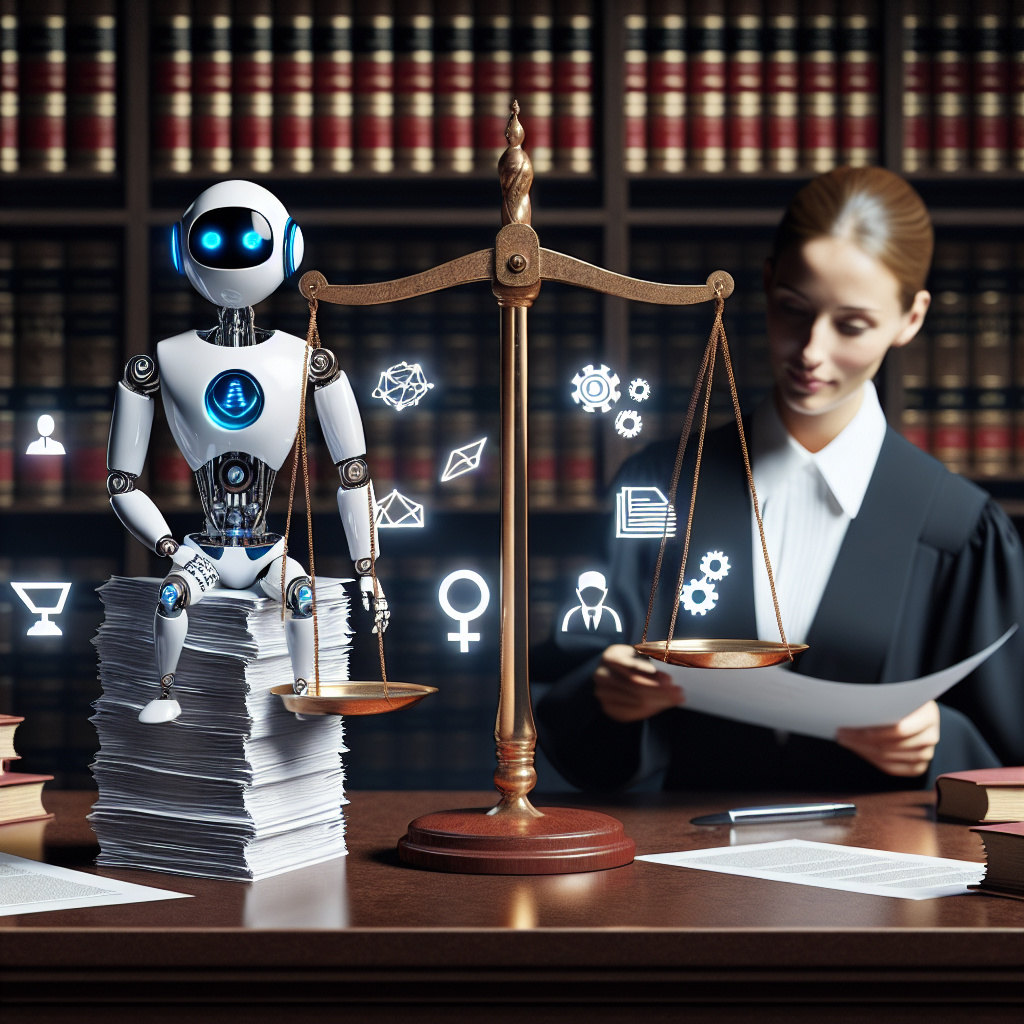
The integration of artificial intelligence (AI) into legal education poses significant questions regarding the future of traditional teaching methodologies and evaluation processes. A recent study has demonstrated that AI models can grade law school exams with a level of accuracy comparable to that of human professors, achieving correlation coefficients as high as 0.93 when provided with structured grading rubrics. This finding raises critical considerations about whether current educational frameworks can adapt to the rapidly evolving landscape shaped by AI technologies.

Main Goal of AI Implementation in Legal Education

The primary objective of employing AI in the context of legal education is to enhance the grading process and provide timely, constructive feedback to students. By utilizing large language models (LLMs), educators can facilitate a more personalized learning experience, allowing students to receive immediate insights on their performance in practice exams, midterms, and draft assignments. The study suggests that, while AI may not fully replace human grading in the near term, its application can significantly enrich the educational experience by enabling professors to focus on more nuanced aspects of teaching and mentoring.

Advantages of AI in Legal Education

  • Enhanced Grading Accuracy: AI’s ability to closely mimic human grading enables a more standardized assessment method, potentially reducing bias and enhancing fairness in evaluations.
  • Timely Feedback: AI can provide immediate feedback on assignments, allowing students to identify areas for improvement without the delays often associated with human grading.
  • Support for Educators: The use of AI can assist professors in reviewing their grading to minimize errors and biases, thus improving overall educational quality.
  • Scalability: AI systems can handle large volumes of assessments simultaneously, which is particularly beneficial in larger law schools where faculty resources may be stretched thin.
  • Facilitation of Self-Assessment: Students can utilize AI tools to evaluate their own work against established rubrics, fostering a culture of self-directed learning.

Caveats and Limitations

Despite the promising advantages, several limitations must be acknowledged. The reliability of AI in fully replicating human grading remains unproven, as current studies have primarily involved human-generated evaluations and rubrics. Additionally, existing institutional rules may inhibit the widespread adoption of AI in grading processes, particularly where regulations mandate that only faculty members assign grades. These factors underscore the need for ongoing examination and adaptation of both educational practices and institutional policies to integrate AI effectively.

Future Implications of AI in Legal Education

The trajectory of AI advancements suggests that its role in legal education will continue to evolve, potentially leading to more sophisticated grading systems that approach or even exceed human evaluative capabilities. As AI technologies improve, we can anticipate enhanced alignment between machine and human grading outcomes, which may prompt significant shifts in pedagogical strategies and institutional frameworks. Ultimately, the successful integration of AI into legal education will necessitate ongoing collaboration between technologists and legal educators to ensure that the tools developed genuinely meet the pedagogical needs of future legal professionals.

Disclaimer

The content on this site is generated using AI technology that analyzes publicly available blog posts to extract and present key takeaways. We do not own, endorse, or claim intellectual property rights to the original blog content. Full credit is given to original authors and sources where applicable. Our summaries are intended solely for informational and educational purposes, offering AI-generated insights in a condensed format. They are not meant to substitute or replicate the full context of the original material. If you are a content owner and wish to request changes or removal, please contact us directly.

Source link :

Click Here

How We Help

Our comprehensive technical services deliver measurable business value through intelligent automation and data-driven decision support. By combining deep technical expertise with practical implementation experience, we transform theoretical capabilities into real-world advantages, driving efficiency improvements, cost reduction, and competitive differentiation across all industry sectors.

We'd Love To Hear From You

Transform your business with our AI.

Get In Touch