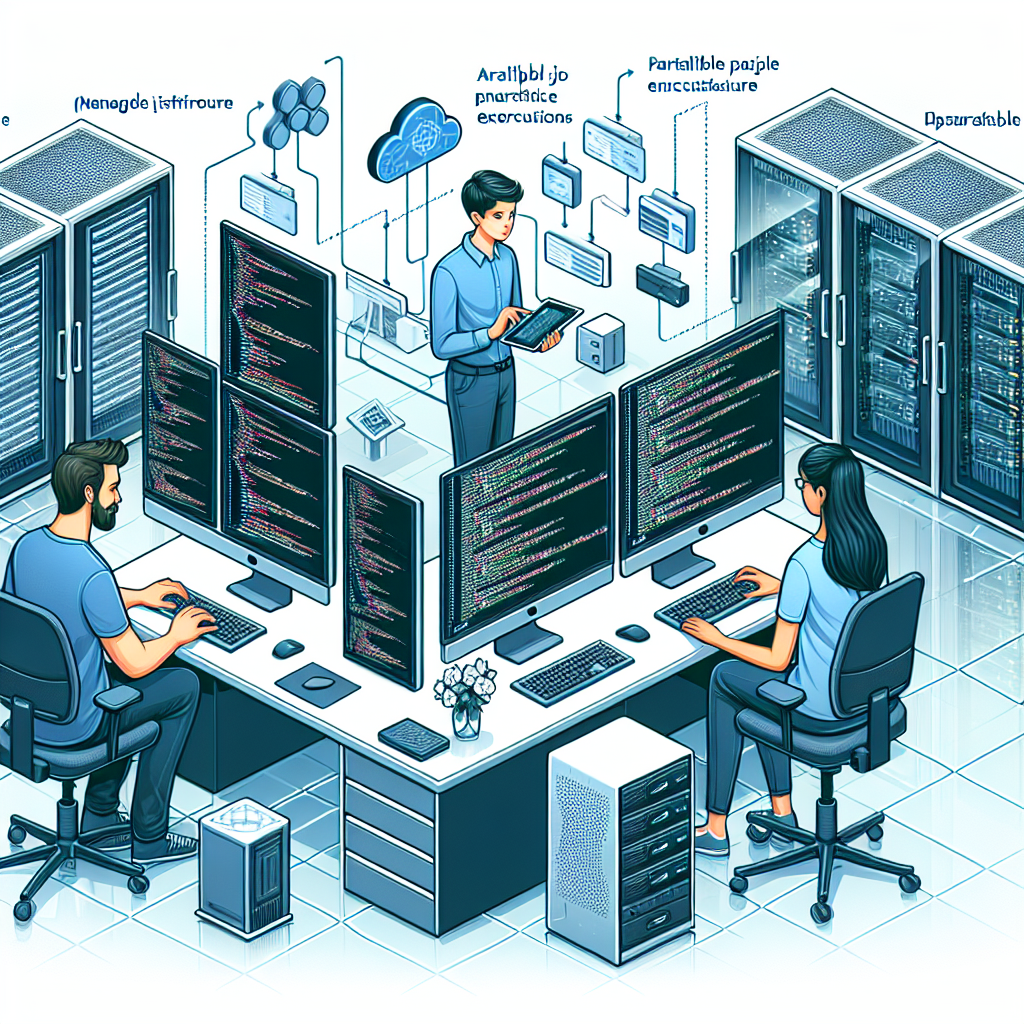
The evolution of coding methodologies is marked by significant technological advancements, particularly through the integration of artificial intelligence (AI). A notable development in this domain is the introduction of Anthropic’s Claude Code, an AI-driven coding assistant that now extends its capabilities to web and mobile platforms. This transition allows developers to harness asynchronous coding functionalities, facilitating parallel job execution on Anthropic’s managed infrastructure. Such innovations not only enhance coding efficiency but also represent a pivotal shift towards modernized software development practices.
Claude Code is positioned within the broader landscape of generative AI models and applications, which are increasingly becoming integral to programming environments. By offering access via web and mobile, Claude Code democratizes coding capabilities, allowing developers to initiate coding sessions without the constraints of traditional terminal interfaces. This shift is particularly relevant as enterprises increasingly seek asynchronous solutions that enable multiple tasks to be managed concurrently, thereby optimizing resource usage and reducing project timelines.
The primary goal of Claude Code’s deployment on web and mobile platforms is to enhance the productivity of developers by facilitating the execution of multiple coding tasks in parallel. This objective can be achieved through the integration of Claude Code with existing coding ecosystems, such as GitHub, where users can describe coding requirements and receive real-time assistance tailored to their projects. Each coding session operates within an isolated environment, ensuring that developers can monitor progress and make adjustments as needed, thus streamlining workflows and reducing bottlenecks.
The introduction of Claude Code offers several advantages:
– **Parallel Task Management**: The ability to run multiple coding projects simultaneously from a single interface allows teams to work more efficiently and respond to project demands more swiftly. This capability is essential in fast-paced development environments where time-to-market is critical.
– **Enhanced Asynchronous Capabilities**: By enabling asynchronous work, Claude Code caters to the growing trend of remote and flexible work arrangements, allowing developers to engage in coding tasks without being tethered to traditional workflows.
– **Real-Time Monitoring and Adjustments**: The real-time progress tracking feature empowers developers to intervene and guide the AI in its coding processes, which enhances the overall quality of the output.
– **Security and Customization**: Claude Code maintains a high level of security through its isolated sandbox environments, allowing enterprise users to customize repository access, which is crucial for maintaining data integrity and compliance with organizational policies.
– **User-Friendly Interface**: The transition to web and mobile platforms simplifies access for developers, particularly those who may prefer coding on the go, thus broadening the user base and encouraging exploration of AI-assisted coding.
However, it is important to note that while Claude Code provides significant advantages, it is also subject to operational limits, such as throttled rate limits that may affect availability, particularly during peak usage periods.
The advancements represented by Claude Code signify a broader trend toward the integration of AI in coding and software development. As AI technologies continue to evolve, the potential for increased automation in coding tasks will likely reshape workforce dynamics, leading to new roles and responsibilities within development teams. The ability to harness AI for routine tasks could free developers to focus on more complex problem-solving aspects of software engineering, thus enhancing innovation.
In conclusion, the evolution of Claude Code to encompass web and mobile functionalities marks a significant milestone in the realm of generative AI applications. As developers increasingly adopt these tools, the landscape of software development will continue to transform, driven by the dual imperatives of efficiency and innovation.
Disclaimer
The content on this site is generated using AI technology that analyzes publicly available blog posts to extract and present key takeaways. We do not own, endorse, or claim intellectual property rights to the original blog content. Full credit is given to original authors and sources where applicable. Our summaries are intended solely for informational and educational purposes, offering AI-generated insights in a condensed format. They are not meant to substitute or replicate the full context of the original material. If you are a content owner and wish to request changes or removal, please contact us directly.
Source link :