
Contextual Overview The ongoing developments in military technology, particularly the Russian Sarmat missile program, highlight the intricate interplay between national defense strategies and technological advancements. Russian officials, including President Vladimir Putin, have often heralded the Sarmat missile as a “truly unique weapon,” designed to deter potential adversaries. However, the program has faced significant challenges, with recent tests revealing a concerning trend of failures. This pattern raises critical questions about the reliability and future viability of Russia’s nuclear arsenals, particularly as the Sarmat is set to replace the older R-36M2 strategic intercontinental ballistic missile (ICBM) fleet. Main Goal and Achievement Strategies The primary objective of the Sarmat missile program is to modernize Russia’s strategic deterrent capabilities amidst an evolving geopolitical landscape. Achieving this goal necessitates not only technological advancements but also rigorous testing protocols to ensure the missile’s operational reliability. Continuous failures, such as the catastrophic incident that destroyed an underground silo during a test, impede progress and undermine confidence in the system’s effectiveness. To address these challenges, Russia must enhance its development framework, focusing on quality assurance and innovative engineering solutions that prioritize successful outcomes. Advantages of Successful Missile Development Enhanced Deterrence: A reliable Sarmat missile system would significantly bolster Russia’s deterrence posture, potentially discouraging adversarial actions through credible threat capabilities. Technological Innovation: Successful development and deployment of the Sarmat could lead to advancements in related technologies, fostering improvements in missile guidance systems and defense mechanisms. Strategic Stability: A robust ICBM fleet may contribute to strategic stability, as a reliable deterrent can mitigate the risks of military escalation among global powers. However, it is essential to recognize the limitations inherent in this program. Frequent failures not only delay the introduction of the Sarmat into service but also raise concerns about the aging R-36M2 missiles that currently form a significant part of Russia’s nuclear arsenal. The maintenance of these older systems has become increasingly uncertain, particularly following geopolitical shifts that disrupted previous support frameworks. Future Implications and the Role of AI The trajectory of missile development, particularly within the context of the Sarmat program, suggests that advancements in artificial intelligence (AI) are poised to play a transformative role in the field of military technology. Future missile systems may increasingly integrate AI for enhanced targeting capabilities, predictive maintenance, and automated decision-making processes during tests. As AI technologies evolve, they will likely facilitate more sophisticated simulations and modeling, reducing the likelihood of failures in actual test scenarios. Moreover, the synthesis of AI with missile technology could lead to adaptive systems capable of learning from previous engagements, thereby refining their operational strategies and increasing their effectiveness. This paradigm shift not only emphasizes the importance of integrating cutting-edge technologies into defense programs but also necessitates a reevaluation of existing military doctrines to accommodate these advancements. Disclaimer The content on this site is generated using AI technology that analyzes publicly available blog posts to extract and present key takeaways. We do not own, endorse, or claim intellectual property rights to the original blog content. Full credit is given to original authors and sources where applicable. Our summaries are intended solely for informational and educational purposes, offering AI-generated insights in a condensed format. They are not meant to substitute or replicate the full context of the original material. If you are a content owner and wish to request changes or removal, please contact us directly. Source link : Click Here

Contextualizing the AI Boom in AgriTech As the world increasingly turns its attention to advancements in artificial intelligence (AI), the AgriTech and smart farming sectors are witnessing a transformative phase. Drawing parallels from historical economic events, such as the 1929 market crash described in Andrew Ross Sorkin’s book 1929, it is imperative to understand the current climate. The stock market’s dramatic fluctuations during that era serve as a cautionary tale; however, the contemporary landscape of AI is markedly different in several key aspects, particularly regarding leverage and policy response. Main Goal and Pathways to Achievement The primary objective in the context of AI’s impact on AgriTech is to harness this technology to enhance agricultural productivity while ensuring sustainable practices. This can be achieved through the integration of AI-driven solutions in areas such as crop management, precision agriculture, and resource optimization. By leveraging data analytics, farmers can make informed decisions that improve yield and reduce waste. The adoption of AI technologies not only addresses immediate agricultural challenges but also contributes to long-term food security and sustainability. Advantages of AI in AgriTech Enhanced Productivity: AI applications, such as predictive analytics and machine learning, enable farmers to optimize planting schedules and resource allocation, resulting in increased crop yields. Sustainability: AI technologies facilitate precision farming, which minimizes resource usage (water, fertilizers, pesticides) while maximizing output, thereby promoting environmental stewardship. Cost Efficiency: Implementing AI solutions can lead to significant cost savings by reducing labor needs and minimizing waste, as evidenced by the historical context of capital allocation during industrial expansions. Real-time Decision Making: AI systems provide farmers with real-time insights into crop health and environmental conditions, allowing for timely interventions that can prevent losses. Important Caveats and Limitations Despite the numerous advantages, several factors must be considered. The integration of AI in AgriTech requires substantial initial investment and ongoing maintenance, which may pose challenges for small-scale farmers. Additionally, reliance on technology can lead to vulnerabilities, particularly in regions with limited infrastructure or access to advanced technologies. Thus, while the opportunities are promising, the pathway to implementation must be carefully navigated. Future Implications of AI Developments The trajectory of AI in AgriTech suggests profound implications for the future of agriculture. As AI technologies continue to evolve, we can anticipate a shift toward more autonomous farming systems, where machines perform tasks with minimal human intervention. This transition not only has the potential to revolutionize farming practices but also raises questions about labor dynamics and food distribution networks. Furthermore, as nations increasingly recognize the strategic importance of technological leadership in agriculture, there may be heightened governmental support for AI initiatives, akin to the mobilization efforts seen during significant historical events. Conclusion In summary, while the current AI boom presents both opportunities and challenges for the AgriTech sector, the potential for transformative change is substantial. By understanding historical contexts and leveraging AI’s capabilities, AgriTech innovators can enhance productivity, sustainability, and food security in a rapidly changing global landscape. As we navigate this technological evolution, it is essential to remain cognizant of the accompanying risks and to strategically position agricultural practices for a resilient future. Disclaimer The content on this site is generated using AI technology that analyzes publicly available blog posts to extract and present key takeaways. We do not own, endorse, or claim intellectual property rights to the original blog content. Full credit is given to original authors and sources where applicable. Our summaries are intended solely for informational and educational purposes, offering AI-generated insights in a condensed format. They are not meant to substitute or replicate the full context of the original material. If you are a content owner and wish to request changes or removal, please contact us directly. Source link : Click Here

Context: The Rise of Scattered LAPSUS$ Hunters and Its Implications for Cybersecurity The cybercrime landscape has become increasingly complex, as evidenced by the emergence of the group known as “Scattered LAPSUS$ Hunters” (SLSH). This group has gained notoriety for its audacious data theft and extortion tactics against major corporations. The case of “Rey,” a significant figure in SLSH, illustrates how individual identities within cybercriminal organizations can be uncovered, leading to potential ramifications for both the perpetrators and the cybersecurity community. The intersection of AI and cybersecurity is critical; understanding this dynamic can equip cybersecurity experts with better tools and strategies to counteract such threats. Main Goal: Understanding Identity Exposure and Mitigation Strategies The primary objective illustrated in the original post is the identification and exposure of cybercriminals through operational security failures. This can be achieved by enhancing threat intelligence capabilities, which involve monitoring communications, analyzing behavioral patterns, and leveraging AI technologies to predict and mitigate risks associated with cyber threats. By understanding the tactics employed by cybercriminals, organizations can better prepare their defenses and respond effectively to incidents. Advantages of Implementing AI in Cybersecurity Enhanced Threat Detection: AI algorithms can analyze vast amounts of data in real-time, identifying anomalies and potential threats more efficiently than traditional methods. Behavioral Analysis: AI can learn from historical data to create profiles of typical user behavior, allowing for the early detection of deviations that may indicate a security breach. Automated Responses: AI systems can automate responses to certain types of threats, reducing the time it takes to mitigate risks and minimizing potential damage. Continuous Learning: AI systems continuously learn from new data, adapting to evolving threats and improving their predictive capabilities over time. Cost-Effectiveness: By automating various cybersecurity processes, organizations can reduce operational costs while improving their security posture. Limitations and Caveats While the advantages of AI in cybersecurity are significant, there are important limitations to consider. The reliance on AI systems can lead to overconfidence, where organizations may neglect traditional security measures. Additionally, AI models can be vulnerable to adversarial attacks, where cybercriminals exploit weaknesses in the algorithms. Therefore, a balanced approach that combines AI capabilities with human expertise is essential for effective cybersecurity management. Future Implications: The Evolving Role of AI in Cybersecurity As AI technology continues to advance, its role in cybersecurity will become increasingly pivotal. Future developments may include more sophisticated AI-driven threat hunting tools that leverage machine learning to predict and preempt cyber attacks. Additionally, the integration of AI with other emerging technologies, such as blockchain and quantum computing, may enhance the security infrastructure of organizations. However, the ongoing battle between cybercriminals and cybersecurity professionals will necessitate continuous innovation and adaptation to stay ahead of potential threats. Disclaimer The content on this site is generated using AI technology that analyzes publicly available blog posts to extract and present key takeaways. We do not own, endorse, or claim intellectual property rights to the original blog content. Full credit is given to original authors and sources where applicable. Our summaries are intended solely for informational and educational purposes, offering AI-generated insights in a condensed format. They are not meant to substitute or replicate the full context of the original material. If you are a content owner and wish to request changes or removal, please contact us directly. Source link : Click Here

Context and Importance of Graph Neural Networks in HealthTech Graph Neural Networks (GNNs) have emerged as a powerful tool in the realm of artificial intelligence, particularly in the fields of health and medicine. These networks efficiently process graph-structured data, enabling the representation of complex relationships among entities, such as patients, treatments, and biological molecules. The capacity to model interactions as graphs allows for enhanced predictions and insights in various applications, including drug discovery, patient diagnosis, and personalized medicine. Main Goal of GNNs in HealthTech The primary objective of utilizing GNNs within the health and medicine sectors is to improve predictive modeling related to complex biological and clinical data. This goal can be achieved through the effective representation of relationships and interactions among nodes (e.g., patients or molecules) and edges (e.g., interactions or relationships). By embedding these interactions into a graph format, GNNs can enhance the accuracy of predictions regarding patient outcomes, drug interactions, and other critical health metrics. Advantages of Graph Neural Networks in HealthTech Enhanced Predictive Accuracy: GNNs can model intricate relationships within health data more effectively than traditional methods, leading to improved accuracy in predictions of disease outcomes and treatment responses. Flexibility in Data Representation: GNNs can handle heterogeneous data structures, accommodating various data types, including molecular structures, patient demographics, and clinical outcomes. This versatility is essential for comprehensive health analytics. Improved Interpretability: By visualizing the relationships within the graph, GNNs can provide insights into the underlying mechanisms of patient responses or disease progression, making it easier for healthcare professionals to understand complex interactions. Scalability: GNNs are inherently designed to handle large datasets, which is a crucial requirement in health contexts where the volume of data is continuously expanding due to advancements in technology and data collection. Support for Personalized Medicine: By integrating patient-specific data into a graph framework, GNNs can help in tailoring treatments based on individual patient profiles, thus advancing the field of precision medicine. Caveats and Limitations While the advantages of GNNs are considerable, there are several caveats and limitations to consider: Data Quality and Availability: The effectiveness of GNNs relies heavily on the quality and comprehensiveness of the underlying data. Inaccurate or incomplete data can lead to erroneous predictions. Complexity of Implementation: Developing and fine-tuning GNN models requires specialized knowledge and experience, which may not be readily available in all healthcare settings. Computational Resources: Training GNNs, especially on large datasets, can be resource-intensive, necessitating access to powerful computing infrastructure. Future Implications of AI Developments in HealthTech As advancements in artificial intelligence, particularly in GNNs, continue to evolve, the implications for health and medicine are profound: Increased Integration of AI in Clinical Practices: As GNNs become more established, their integration into clinical workflows is likely to enhance decision-making processes, leading to more accurate diagnostics and treatment plans. Evolution of Personalized Medicine: The ability of GNNs to analyze complex interdependencies in patient data will further the development of personalized medicine approaches, allowing for more tailored therapies based on individual patient characteristics. Expansion of Research Opportunities: GNNs will facilitate new research avenues in healthcare, particularly in understanding the relationships between various biological factors and disease states, potentially leading to novel therapeutic strategies. Improved Public Health Outcomes: By enabling more precise and effective interventions, GNNs have the potential to positively impact public health by improving disease management and prevention strategies. Disclaimer The content on this site is generated using AI technology that analyzes publicly available blog posts to extract and present key takeaways. We do not own, endorse, or claim intellectual property rights to the original blog content. Full credit is given to original authors and sources where applicable. Our summaries are intended solely for informational and educational purposes, offering AI-generated insights in a condensed format. They are not meant to substitute or replicate the full context of the original material. If you are a content owner and wish to request changes or removal, please contact us directly. Source link : Click Here

Context of Feast Week in Men’s College Basketball The Feast Week of college basketball represents a critical juncture in the NCAA season, characterized by a series of high-stakes nonconference matchups. These games offer teams an opportunity to enhance their tournament profiles through quality victories. Specifically, the Players Era Festival held in Las Vegas showcased 18 elite teams, including eight ranked in the AP Top 25, underscoring the significance of this week in shaping NCAA tournament aspirations. This competitive environment serves as a proving ground, allowing teams to gauge their strengths and weaknesses against formidable opponents. Main Goal of the Original Post The primary objective articulated in the original blog post centers on analyzing and highlighting key matchups and performances during Feast Week. This goal can be achieved through meticulous observation of game strategies, player performances, and statistical analyses. By emphasizing the importance of these games, teams can strategically position themselves for NCAA tournament consideration, thereby enhancing their overall competitiveness in the season. Advantages of Feast Week Matchups Enhanced Tournament Résumés: Participation in high-profile games allows teams to secure significant victories that bolster their chances of receiving favorable seeding in the NCAA tournament. For instance, Michigan’s dominant performance against multiple opponents illustrates the potential benefits of such matchups. Player Development: High-pressure games facilitate player growth and resilience. As seen with Michigan State’s Jeremy Fears Jr., who excelled under pressure, such experiences can refine players’ skills and decision-making. Strategic Insights: Teams gain valuable insights into their performance metrics and areas for improvement. This was evident when Kansas adapted its gameplay strategy throughout the week, showcasing the dynamic nature of team development. Fan Engagement: Feast Week generates heightened interest and viewership, fostering a deeper connection between teams and their supporters, as well as driving media coverage and narratives surrounding the season. Caveats and Limitations While the advantages of Feast Week are substantial, certain limitations must be acknowledged. The high level of competition may lead to injuries or fatigue, which can negatively impact subsequent performances. Additionally, teams may face increased pressure to perform, potentially resulting in underwhelming performances, as seen in some cases during the festival. Future Implications of AI in Sports Analytics The integration of artificial intelligence (AI) in sports analytics is poised to revolutionize the landscape of college basketball. AI technologies can enhance data collection, generate predictive models, and provide real-time analytics, thereby informing coaching strategies and player development. As teams increasingly leverage AI to analyze performance metrics and opponent tendencies, the ability to make informed decisions during critical moments will likely improve dramatically. Furthermore, the ongoing evolution of AI in sports will facilitate more personalized training regimens, potentially yielding higher levels of player performance and overall team success. Disclaimer The content on this site is generated using AI technology that analyzes publicly available blog posts to extract and present key takeaways. We do not own, endorse, or claim intellectual property rights to the original blog content. Full credit is given to original authors and sources where applicable. Our summaries are intended solely for informational and educational purposes, offering AI-generated insights in a condensed format. They are not meant to substitute or replicate the full context of the original material. If you are a content owner and wish to request changes or removal, please contact us directly. Source link : Click Here

Contextualizing B2H in AI-Powered Marketing The evolving landscape of marketing has transitioned from traditional paradigms of Business-to-Business (B2B) and Business-to-Consumer (B2C) to a more nuanced approach termed Business-to-Human (B2H). This shift acknowledges the essential human element in marketing communications, recognizing that behind every transaction, there is a person with emotions, preferences, and unique experiences. In a rapidly changing digital environment, characterized by the rise of artificial intelligence (AI), brands are compelled to rethink their strategies to foster genuine connections with their audiences. In an era where authenticity is paramount, the prevalence of AI-generated content necessitates a human touch in marketing efforts. This humanization is crucial in an age where trust is waning, and consumers are increasingly discerning about the brands they engage with. The integration of B2H principles into marketing strategies allows for more meaningful interactions that resonate on a personal level. Main Goal and Its Achievement The primary goal articulated in the context of B2H marketing is to enhance audience engagement by fostering emotional connections. To achieve this, marketers must prioritize storytelling that evokes emotions while providing logical support through data and proof points. This dual approach not only enhances engagement but also solidifies trust between the brand and its audience. Marketers can implement this by crafting narratives that begin with emotional resonance, followed by logical evidence to support their claims. By doing so, they create a framework that invites consumers to engage with the brand on a deeper level, ultimately leading to increased loyalty and advocacy. Structured Advantages of B2H Marketing Increased Engagement: Combining emotional and logical elements in marketing content significantly boosts audience engagement. This is evidenced by the assertion that “if you combine emotion and logic in any sort of format, you will have exponentially increased engagement with your content.” Enhanced Trust: Emotional storytelling, supported by data, cultivates trust. Consumers are more likely to trust brands that present relatable narratives backed by evidence. Flexibility in Marketing Strategies: The 85/15 rule allows for a structured yet experimental approach, whereby 85% of marketing efforts adhere to established templates while 15% encourages creativity and innovation, fostering a culture of experimentation. Contextual Relevance: By moving away from nostalgia-driven campaigns toward participatory storytelling, brands can connect more deeply with consumers, engaging them in co-creating narratives that reflect their evolving identities. Considerations and Limitations While the B2H approach offers numerous advantages, it is essential to acknowledge certain limitations. The effectiveness of emotional engagement may vary across different demographics and platforms, requiring marketers to tailor their strategies accordingly. Additionally, the reliance on emotional resonance can be a double-edged sword; if not executed authentically, it may lead to consumer skepticism rather than trust. Future Implications of AI Developments in Marketing The trajectory of AI in marketing suggests an increasing reliance on data-driven insights to enhance personalization and engagement. As AI technologies continue to evolve, they will enable marketers to analyze consumer behavior more intricately, allowing for hyper-personalized content delivery. However, this raises critical questions about the balance between automation and human touch. The success of future marketing strategies will hinge on the ability to integrate AI capabilities while maintaining the authenticity and emotional resonance that defines effective B2H marketing. In conclusion, the shift from B2B and B2C to B2H signifies a profound transformation in marketing practices, emphasizing the need for emotional connection and authenticity. As AI technologies develop, marketers must strategically harness these tools to foster genuine relationships with consumers, ensuring that the human element remains at the forefront of their marketing endeavors. Disclaimer The content on this site is generated using AI technology that analyzes publicly available blog posts to extract and present key takeaways. We do not own, endorse, or claim intellectual property rights to the original blog content. Full credit is given to original authors and sources where applicable. Our summaries are intended solely for informational and educational purposes, offering AI-generated insights in a condensed format. They are not meant to substitute or replicate the full context of the original material. If you are a content owner and wish to request changes or removal, please contact us directly. Source link : Click Here

Introduction The logistics industry is undergoing a transformative shift with the integration of artificial intelligence (AI) technologies, as exemplified by DHL Group’s recent enterprise-wide AI rollout. This initiative, particularly within its contract logistics division, aims to enhance operational efficiency through the deployment of agentic AI. The collaboration with AI startup HappyRobot represents a significant step forward in streamlining communication, improving customer experiences, and enhancing employee engagement. This blog post will elucidate how these advancements resonate within the Smart Manufacturing and Robotics sectors, particularly benefiting Industrial Technologists. Main Goal of the AI Rollout The primary objective of DHL’s AI strategy is to leverage agentic AI to optimize various operational processes. This is achieved through the automation of routine tasks, thereby allowing human workers to concentrate on more strategic initiatives. By implementing AI agents that autonomously handle communication tasks such as appointment scheduling and follow-up calls, DHL aims to create a more efficient and responsive operational model. Advantages of Agentic AI in Logistics Increased Operational Efficiency: The deployment of AI agents has shown measurable success in reducing manual effort and improving responsiveness. These agents manage tasks across multiple channels—phone, email, and messaging—thus ensuring a seamless flow of information. Enhanced Employee Engagement: By automating repetitive tasks, AI agents free up employees to focus on higher-value work. This shift not only improves job satisfaction but also enhances overall productivity within the organization. Scalability: DHL’s AI initiatives are designed to handle a substantial volume of communications, targeting hundreds of thousands of emails and millions of voice interactions annually. This scalability is crucial for maintaining service quality as operational demands increase. Improved Customer Experience: With faster and more reliable communication facilitated by AI agents, customers benefit from timely responses and efficient service, reinforcing customer loyalty and satisfaction. Limitations and Caveats While the advantages of implementing agentic AI are significant, there are limitations to consider. The initial setup and integration of AI systems require considerable investment and expertise. Additionally, reliance on AI for critical operations necessitates robust infrastructure to ensure system reliability and minimize downtime. Continuous monitoring and updates are essential to address any emerging challenges associated with AI deployment. Future Implications of AI Developments The ongoing evolution of AI technologies suggests a future where logistics operations will increasingly rely on AI for not just communication but also for decision-making and process management. As AI systems become more sophisticated, they may evolve to handle complex logistical challenges autonomously, further enhancing efficiency and reducing operational costs. Furthermore, the potential for AI to integrate with other emerging technologies, such as the Internet of Things (IoT) and blockchain, could revolutionize supply chain management, leading to greater transparency and responsiveness in logistics operations. Conclusion DHL’s strategic initiative to implement agentic AI within its supply chain operations serves as a pivotal example of how technology can reshape the logistics industry. By enhancing operational efficiency, improving employee engagement, and delivering superior customer experiences, this AI rollout not only benefits DHL but also sets a precedent for the Smart Manufacturing and Robotics sectors. As the landscape of logistics continues to evolve, the integration of AI is poised to play an increasingly critical role in shaping operational paradigms for Industrial Technologists and beyond. Disclaimer The content on this site is generated using AI technology that analyzes publicly available blog posts to extract and present key takeaways. We do not own, endorse, or claim intellectual property rights to the original blog content. Full credit is given to original authors and sources where applicable. Our summaries are intended solely for informational and educational purposes, offering AI-generated insights in a condensed format. They are not meant to substitute or replicate the full context of the original material. If you are a content owner and wish to request changes or removal, please contact us directly. Source link : Click Here

Introduction The financial market is witnessing a pivotal transition, as indicated by insights from industry leaders regarding the potential shift away from an overwhelming reliance on artificial intelligence (AI) stocks. This commentary reflects broader economic trends and signals that financial professionals must navigate to optimize investment strategies. The discussion, spearheaded by notable figures such as John Davi of Astoria Portfolio Advisors and Sophia Massie of LionShares, highlights the implications of fluctuating liquidity and shifting market leadership on investment portfolios. Understanding these dynamics is essential for financial professionals, particularly as they pertain to the integration of AI in finance and fintech sectors. Understanding the Market Shift The primary goal articulated by Davi and Massie revolves around the reassessment of investment priorities in light of changing liquidity conditions and economic indicators. Davi emphasizes that the Federal Reserve’s actions—specifically, rate cuts—typically herald a new market cycle, often accompanied by a shift in market leadership. The recent performance of diversified sectors, such as emerging markets and industrials, corroborates this assertion, suggesting a broadening of investment opportunities beyond traditional AI-centric stocks. Financial professionals can achieve this goal by adopting a balanced investment approach that mitigates risk associated with concentrated holdings in a few high-profile tech stocks. Advantages of a Balanced Investment Approach Diversification of Portfolio: By investing in a wider array of sectors, such as emerging markets and industrials, financial professionals can reduce risk associated with volatility in the AI sector. For instance, the iShares MSCI Emerging Markets ETF has risen significantly, reflecting the potential benefits of diversification. Mitigation of Risk: Limiting exposure to a select group of high-cap technology stocks (often referred to as the “Magnificent 7”) can protect portfolios from market corrections. As Davi notes, the current environment of structurally higher inflation necessitates a reconsideration of risk exposure. Adaptation to Economic Conditions: As liquidity returns to the market, identifying sectors that thrive under such conditions can lead to superior investment performance. Davi’s emphasis on emerging markets illustrates this potential for growth in a recovering liquidity environment. Considerations and Limitations While the proposed shift towards a more balanced investment approach offers several advantages, it is essential to acknowledge potential limitations. For instance, the market’s inclination towards AI-driven growth may still dominate investor sentiment, leading to volatility in sectors that are not AI-centric. Furthermore, the lack of clarity regarding which companies will emerge as leaders in the AI space adds an element of uncertainty. Analysts, including Massie, caution against overestimating the immediate economic value derived from AI, suggesting a need for careful analysis before making significant investment decisions. Future Implications of AI in Finance and Fintech The future landscape of finance and fintech is poised for significant transformation as AI technologies continue to evolve. As these technologies mature, their integration into financial services will likely enhance operational efficiencies, improve customer experiences, and create new investment opportunities. Financial professionals must remain vigilant and adaptable, continuously assessing how AI advancements will reshape market dynamics and influence investor behavior. The interplay between traditional investment strategies and innovative AI solutions will ultimately define the future of financial markets, necessitating a proactive approach to investment management. Conclusion In conclusion, the insights provided by leading ETF executives underscore the importance of adapting investment strategies in response to emerging market trends and economic conditions. By embracing a diversified, balanced investment approach, financial professionals can better position themselves to navigate the complexities of a shifting market landscape while harnessing the potential benefits of AI in finance and fintech. As the financial sector evolves, ongoing education and strategic foresight will be critical to achieving sustained success in investment management. Disclaimer The content on this site is generated using AI technology that analyzes publicly available blog posts to extract and present key takeaways. We do not own, endorse, or claim intellectual property rights to the original blog content. Full credit is given to original authors and sources where applicable. Our summaries are intended solely for informational and educational purposes, offering AI-generated insights in a condensed format. They are not meant to substitute or replicate the full context of the original material. If you are a content owner and wish to request changes or removal, please contact us directly. Source link : Click Here

Contextualizing the AI Controversy in the Music Industry Spotify has recently come under scrutiny for its release of AI-generated music attributed to deceased artists, raising ethical concerns regarding exploitation and intellectual property rights. An investigation by 404 Media revealed that the streaming service published tracks without obtaining authorization from the artists’ estates or record labels. For instance, a song titled “Together” appeared on the page of Blake Foley, a country musician murdered in 1989, despite the track’s creator being a different individual entirely. This incident reflects a broader trend wherein AI tools are employed to generate music that emulates the styles of past artists. The emergence of an AI band, Velvet Sundown, which has gained significant traction with its track “Dust on the Wind,” further exemplifies the growing presence of AI-generated content within established music platforms. Despite Spotify’s removal of unauthorized tracks following media exposure, the prevalence of such incidents indicates a systemic issue within the industry. Main Goals and Their Achievement The primary goal highlighted in this discourse is the necessity for ethical standards and regulatory frameworks governing AI-generated content in the music industry. Achieving this goal involves implementing robust policies that require platforms to seek explicit permission from artists or their estates before using their likeness or style in AI-generated compositions. Moreover, transparency in labeling AI-generated content is essential to inform consumers and protect the integrity of human artistry. Advantages and Considerations Preservation of Artist Rights: Establishing clear regulations surrounding AI-generated music would safeguard the rights of deceased artists and their estates, ensuring that their legacies are not exploited without consent. Consumer Trust: Providing transparent labeling of AI-generated content fosters trust among listeners, as they can make informed decisions about the music they consume. Fair Competition: By regulating AI-generated music, platforms can create a level playing field for human artists, preventing AI tracks from unfairly competing for streaming royalties. Innovation in Music Creation: While regulations are necessary, they can also stimulate innovation by encouraging the development of AI technologies that respect intellectual property rights. However, it is essential to note that overly stringent regulations could stifle creativity and limit the potential benefits of AI in music production, such as enhancing accessibility and diversity in musical expression. Future Implications of AI in the Music Industry The ongoing advancements in AI technology are poised to significantly reshape the music landscape. As AI becomes more sophisticated, the potential for creating music that closely mimics established artists will increase, leading to heightened ethical dilemmas. The industry may witness the development of AI systems capable of generating entirely new compositions that blend various musical elements, further blurring the lines between human and machine-generated music. Moreover, as the debate surrounding copyright and intellectual property rights intensifies, music streaming platforms may face increased pressure to adopt transparent practices. This could prompt a shift toward more equitable revenue-sharing models that recognize the contributions of both human artists and AI systems. Ultimately, the future of AI in the music industry hinges on balancing innovation with ethical considerations, ensuring that technological advancements do not come at the expense of artistic integrity. Disclaimer The content on this site is generated using AI technology that analyzes publicly available blog posts to extract and present key takeaways. We do not own, endorse, or claim intellectual property rights to the original blog content. Full credit is given to original authors and sources where applicable. Our summaries are intended solely for informational and educational purposes, offering AI-generated insights in a condensed format. They are not meant to substitute or replicate the full context of the original material. If you are a content owner and wish to request changes or removal, please contact us directly. Source link : Click Here
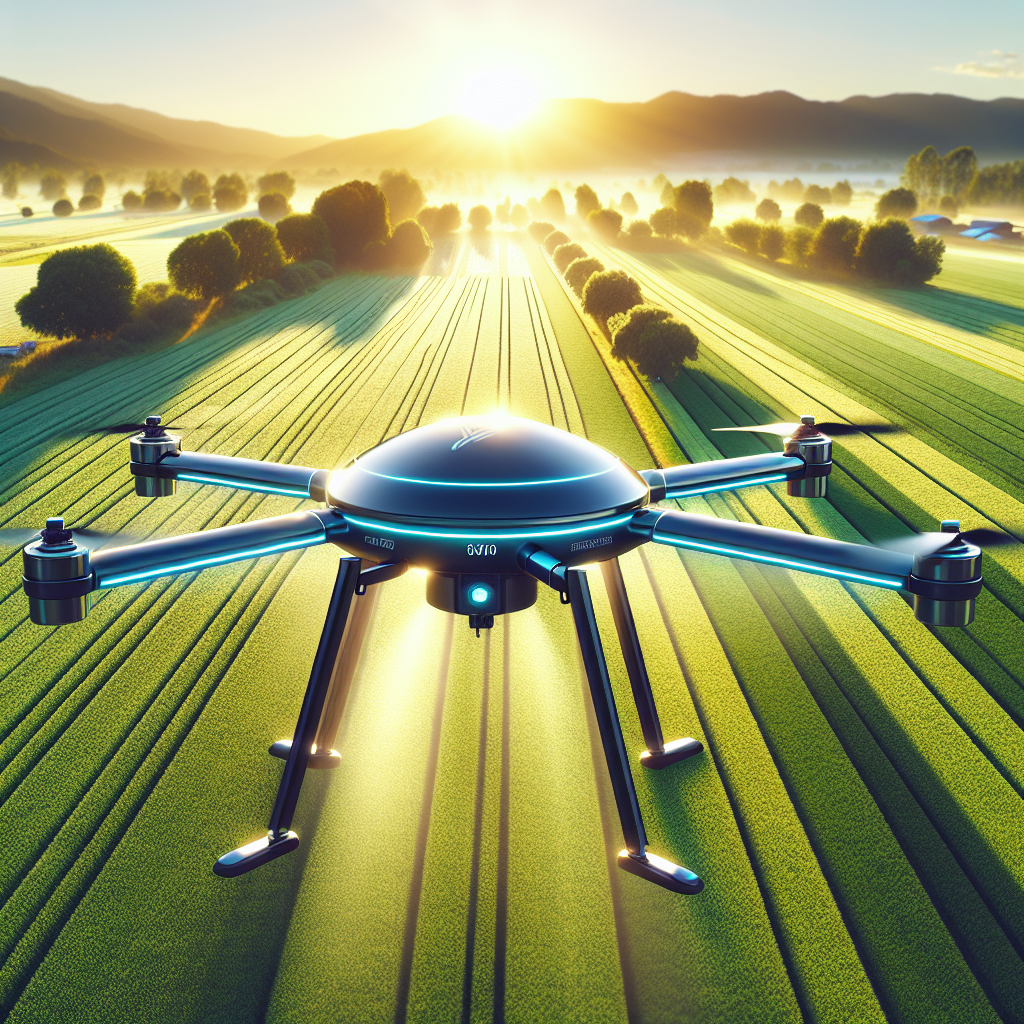
Context of Agricultural Drone Technology The integration of unmanned aircraft systems (UAS) in agriculture is gaining momentum, presenting innovative solutions to some of the sector’s most pressing challenges. The recent initiatives by Mississippi State University (MSU) through its Agricultural Autonomy Institute (AAI) exemplify this trend. By launching a comprehensive video series aimed at educating farmers about the operational and regulatory aspects of agricultural drones, the AAI is facilitating the adoption of this pioneering technology. These systems, particularly those equipped with spray capabilities, promise to enhance efficiency in agricultural production, a necessity in an industry increasingly challenged by labor shortages and rising operational costs. The rapid acceleration of UAS adoption in agricultural contexts can be attributed to the establishment of clear regulatory frameworks which have permitted their commercial use. While initial investments in technology may appear daunting, the long-term benefits—including significant reductions in labor, time, and costs associated with tasks like aerial cover crop seeding, fertilizer distribution, and pesticide application—underscore the value proposition of this innovation. Main Goal and Achievement Strategies The principal goal of the AAI’s video series is to enhance understanding and facilitate the safe, effective use of agricultural drones among stakeholders. This aim is pursued by addressing common inquiries and providing comprehensive guidance through a 13-part instructional video series. By focusing on both foundational knowledge and troubleshooting, the AAI aims to empower users to navigate the complexities of drone technology effectively. To achieve this goal, the series is structured to incorporate short, digestible videos that cover high-demand topics, thereby catering to various levels of expertise among users. This educational approach not only demystifies drone technology but also promotes safe practices, which is critical given the evolving regulatory landscape surrounding UAS operations in agriculture. Advantages of Agricultural Drones 1. **Increased Efficiency**: Agricultural drones can perform tasks such as spraying and monitoring crops at a fraction of the time required by traditional methods. This efficiency translates to labor savings and increased productivity. 2. **Cost Savings**: While there is an upfront investment, the reduction in labor costs and the ability to cover larger areas quickly yield substantial financial benefits in the long run. 3. **Precision Agriculture**: Drones enable precise application of inputs, reducing waste and minimizing environmental impact. This precision is particularly beneficial for tasks such as pesticide application, where targeted delivery can enhance efficacy and safety. 4. **Real-time Data Collection**: Drones are equipped with advanced sensors that provide real-time data on crop health, soil conditions, and environmental factors, empowering farmers to make informed decisions. 5. **Educational Support**: Initiatives like the video series from AAI provide critical educational resources, bridging the knowledge gap for farmers and stakeholders unfamiliar with drone technology. While these advantages are compelling, it is essential to acknowledge some limitations. The initial investment in drone technology and the need for ongoing training to keep up with regulatory changes can pose challenges for adoption, particularly among smaller operations. Future Implications of AI in Agricultural Drones Looking ahead, advancements in artificial intelligence (AI) are poised to further revolutionize the agricultural drone sector. Enhanced AI algorithms will enable drones to perform more complex tasks, such as autonomous decision-making regarding crop treatment and monitoring. This capability could significantly reduce the need for human oversight, allowing farmers to focus on strategic decision-making rather than operational management. Moreover, the integration of AI with machine learning will facilitate the analysis of vast amounts of data collected by drones, enabling predictive analytics that can inform crop management practices. This evolution could lead to more sustainable agricultural practices, optimized resource management, and improved yield outcomes. In conclusion, the initiatives undertaken by the AAI highlight the potential of agricultural drones as transformative tools in modern farming. By fostering education and understanding of this technology, stakeholders can harness its benefits, leading to enhanced productivity and sustainability in the agricultural sector. The future, particularly with the integration of AI, promises even greater advancements, ensuring that agricultural innovation continues to evolve in response to the challenges of the industry. Disclaimer The content on this site is generated using AI technology that analyzes publicly available blog posts to extract and present key takeaways. We do not own, endorse, or claim intellectual property rights to the original blog content. Full credit is given to original authors and sources where applicable. Our summaries are intended solely for informational and educational purposes, offering AI-generated insights in a condensed format. They are not meant to substitute or replicate the full context of the original material. If you are a content owner and wish to request changes or removal, please contact us directly. Source link : Click Here


