
Contextual Overview of AI in Pharmacy Workflow The integration of Artificial Intelligence (AI) within pharmacy workflows is reshaping the landscape of healthcare delivery. As retail pharmacies emerge as pivotal access points for patient care, the demands for efficiency, accessibility, and clinical effectiveness are intensifying. Pharmacists seek to maximize their professional capabilities, yet the complexities of exception-driven workflows often hinder their ability to deliver optimal care. The deployment of AI technologies presents promising opportunities; however, it is crucial that these technologies are implemented in a manner that enhances rather than complicates existing processes. Main Goal and Achievement Strategies The primary objective identified in existing discussions surrounding AI’s role in pharmacy is to enhance operational efficiency while preserving the critical judgment skills of pharmacists. This can be accomplished through the implementation of AI-enabled clinical intelligence systems that integrate medication data seamlessly into pharmacy practices. By streamlining workflows and reducing the burden of exception-driven tasks, pharmacists can be empowered to focus on patient-centered care, ultimately leading to improved health outcomes. Advantages of AI Integration in Pharmacy Enhanced Decision Support: AI-driven clinical intelligence provides pharmacists with evidence-based recommendations, thereby closing gaps in high-complexity workflows and enabling more accurate decision-making. Operational Efficiency: By minimizing exception-driven processes, AI can help alleviate the operational friction that often complicates pharmacy workflows, allowing pharmacists to allocate more time to patient care. Improved Coordination: AI facilitates better communication and coordination among pharmacists, prescribers, and patients, enhancing overall care continuity. Increased Confidence: Pharmacists can work with greater assurance in their clinical decisions when supported by robust AI tools that bolster their judgment rather than replace it. Despite these advantages, it is essential to acknowledge potential challenges. For instance, AI systems may inadvertently reinforce variability if they are layered over fragmented processes, highlighting the need for comprehensive integration strategies that address existing workflow inconsistencies. Future Implications of AI in Pharmacy The future of AI in pharmacy is poised for significant advancements, particularly as technology evolves and becomes increasingly sophisticated. Ongoing developments in AI are likely to yield more refined algorithms that can predict patient needs, automate routine tasks, and personalize medication management. As these capabilities flourish, the role of pharmacists may expand to encompass more strategic functions within the healthcare continuum, further enhancing patient outcomes and healthcare delivery efficiency. The continuous evolution of AI technologies within the pharmacy sector will necessitate adaptive training and workflow restructuring to maximize potential benefits. Disclaimer The content on this site is generated using AI technology that analyzes publicly available blog posts to extract and present key takeaways. We do not own, endorse, or claim intellectual property rights to the original blog content. Full credit is given to original authors and sources where applicable. Our summaries are intended solely for informational and educational purposes, offering AI-generated insights in a condensed format. They are not meant to substitute or replicate the full context of the original material. If you are a content owner and wish to request changes or removal, please contact us directly. Source link : Click Here
Context and Overview The recent announcement by the Illinois Supreme Court regarding a new Policy on Transparency marks a significant shift in how the judicial branch engages with the public. This initiative aims to enhance transparency by making vital data, including budgets and employee statistics, readily accessible. Chief Justice P. Scott Neville, Jr. emphasized that transparency fosters public trust, a principle that is increasingly relevant in today’s digital age where data accessibility is paramount. This move aligns with broader trends in LegalTech and artificial intelligence (AI), which are transforming the landscape of legal practice by providing tools that facilitate better information dissemination. Main Goal of the Policy on Transparency The central objective of the Illinois Supreme Court’s Transparency Policy is to establish a standardized framework for sharing judicial data with the public. This goal can be effectively achieved by implementing a systematic approach to data publication, scheduled for July 1, 2026, and annually thereafter. The Administrative Office of the Illinois Courts (AOIC) will be tasked with releasing comprehensive data from various judicial entities, thus formalizing existing practices while enhancing accountability in the judicial system. Advantages of the Policy on Transparency Enhanced Public Trust: By making judicial data accessible, the policy aims to restore and bolster public confidence in the judicial system, as noted by Chief Justice Neville. Standardization of Data Release: The policy ensures that data from Circuit Clerk Offices, Court Services, and other judicial entities will be published consistently, making it easier for the public to track judicial performance and resource allocation. Comprehensive Data Categories: The planned release will include various metrics such as budgets, employee counts, and organizational charts, which provide a clearer picture of judicial operations. Foundation for Future Improvements: The AOIC and the Illinois Office of Statewide Pretrial Services (OSPS) will annually review the policy, allowing for the adaptation and expansion of data categories based on public interest and relevance. Caveats and Limitations While the Policy on Transparency offers numerous advantages, it is essential to recognize potential limitations. The success of the policy hinges on the AOIC’s ability to effectively manage and disseminate the data. Additionally, there may be concerns regarding the interpretation of the released data, which could lead to misinterpretations or misuse. It is crucial that the data is contextualized and accompanied by explanatory materials to mitigate these risks. Future Implications of AI in Judicial Transparency The intersection of AI and judicial transparency is poised to redefine how legal professionals engage with data. As AI technologies evolve, they could facilitate more sophisticated data analysis and visualization tools, enabling stakeholders to derive insights from the published metrics more effectively. For instance, predictive analytics could be employed to identify trends in judicial performance, thereby informing policy adjustments and resource allocation strategies. Furthermore, the integration of AI could streamline the data publication process, making it more efficient and less prone to errors. Conclusion The Illinois Supreme Court’s new Policy on Transparency is a pivotal step toward fostering greater public trust in the judicial system. By systematically releasing data and employing innovative technologies like AI, the judicial branch can enhance its accountability and responsiveness to public needs. As the landscape of LegalTech continues to evolve, the implications of such policies will likely extend far beyond transparency, reshaping the future of legal practice and public engagement in the judicial process. Disclaimer The content on this site is generated using AI technology that analyzes publicly available blog posts to extract and present key takeaways. We do not own, endorse, or claim intellectual property rights to the original blog content. Full credit is given to original authors and sources where applicable. Our summaries are intended solely for informational and educational purposes, offering AI-generated insights in a condensed format. They are not meant to substitute or replicate the full context of the original material. If you are a content owner and wish to request changes or removal, please contact us directly. Source link : Click Here

Contextual Overview of Google’s Search Box Redesign For 25 years, the Google search box has served as a fundamental interface in the realm of computing, embodying simplicity through its recognizable design—a thin white rectangle housing a blinking cursor, a few typed words, and a list of blue links. However, at the recent I/O developer conference, Google announced a transformative redesign of this search box, marking a significant shift from a static keyword input system to a dynamic, AI-driven interface capable of accommodating a variety of input formats, including text, images, PDFs, and even videos. This redesign signals Google’s commitment to evolving its flagship product into a platform for open-ended, multimodal conversations with advanced AI systems. Main Goal and Its Achievement The primary goal of this redesign is to enhance user interaction with Google’s search capabilities by facilitating more conversational and context-rich queries. This objective can be realized through the introduction of a dynamically expanding search box, which encourages users to articulate complex questions rather than relying on brief keyword phrases. Furthermore, the integration of AI Overviews and AI Mode into a single, seamless experience eliminates the previous friction in user navigation, thereby enhancing the overall user experience. Advantages of the Redesigned Search Box Enhanced User Experience: The new search box accommodates longer, more detailed queries, allowing users to express their questions in a more conversational manner. This is supported by an AI-powered query suggestion system that guides users in formulating comprehensive queries. Multimodal Input Support: Users can now input various types of content directly into the search box, including images and PDFs, which broadens the scope of interactions and makes the search process more intuitive. Seamless Integration of AI Features: The merger of AI Overviews and AI Mode results in a cohesive search experience, where users receive AI-generated summaries alongside traditional results, facilitating a more interactive engagement with the search process. Increased Search Volume: Statistics indicate that AI Mode has reached over one billion monthly users, with queries doubling each quarter, suggesting that the redesigned interface is effectively catering to evolving user behaviors. Real-Time Visualizations: The introduction of generative UI allows the search engine to create interactive visuals and mini applications tailored to user inquiries, enhancing the educational value of search results. Limitations and Caveats While the redesign offers numerous advantages, it also presents potential challenges. The shift from keyword-based search to conversational queries may necessitate a reevaluation of search engine optimization (SEO) strategies. Content that was once optimized for specific keywords may need to be reframed to cater to more nuanced, context-driven queries. Additionally, the increased reliance on AI-generated summaries raises questions regarding the traffic dynamics for publishers, as users may find answers without needing to visit source websites. Future Implications of AI Developments As Google continues to integrate advanced AI technologies into its search functionalities, the implications for the digital landscape are profound. The ability for search engines to facilitate ongoing conversations with users represents a paradigm shift that could redefine user expectations regarding information retrieval. Furthermore, the introduction of AI agents capable of monitoring web conditions and providing updates signifies a move towards more proactive information delivery systems. This evolution may also impact content creation strategies across various sectors, compelling content creators to prioritize depth and authority in their work to maintain relevance in an increasingly AI-driven environment. Disclaimer The content on this site is generated using AI technology that analyzes publicly available blog posts to extract and present key takeaways. We do not own, endorse, or claim intellectual property rights to the original blog content. Full credit is given to original authors and sources where applicable. Our summaries are intended solely for informational and educational purposes, offering AI-generated insights in a condensed format. They are not meant to substitute or replicate the full context of the original material. If you are a content owner and wish to request changes or removal, please contact us directly. Source link : Click Here
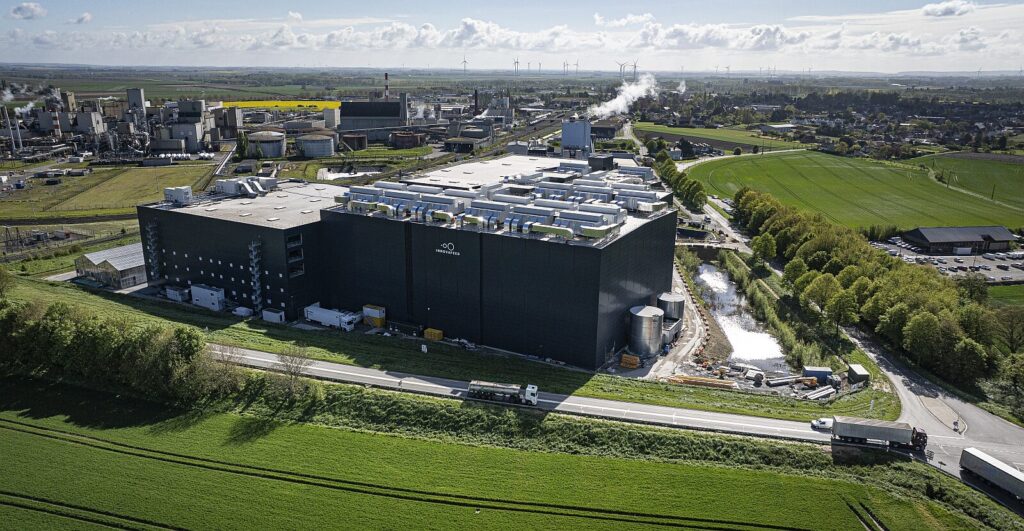
Contextual Background on Innovafeed’s Strategic Movements Innovafeed, a prominent player in the French insect agriculture sector, has recently secured €51 million (approximately $59 million) in funding. This financial boost aims to enhance its operations at its commercial-scale black soldier fly larvae production facility located in Nesle, France. As part of a strategic reorganization, Innovafeed plans to streamline its operations, which includes a workforce reduction of 60 employees from its research and development (R&D) site in Gouzeaucourt. This restructuring is anticipated to pave the way for increased efficiency and profitability by 2027, as the firm continues to innovate within the sustainable aquaculture space. Main Goal of Innovafeed’s Initiative The primary objective articulated by Innovafeed is to achieve profitability while enhancing production capabilities. This goal is grounded in the understanding that the demand for sustainable protein sources in aquaculture is on the rise. By consolidating its R&D efforts and operationalizing its facility in Nesle, Innovafeed aims to leverage technological advancements that will allow for optimized production processes, thus meeting the evolving market needs for sustainable aquaculture solutions. Advantages of Innovafeed’s Strategic Direction Increased Production Efficiency: Innovafeed has reported a tenfold increase in production volumes at its Nesle facility, indicating significant progress in operational efficiency. Cost Reduction: The company claims to have reduced production costs by a factor of seven, underscoring enhanced economic viability. This cost reduction is critical for maintaining competitiveness in the insect protein market. Market Demand Alignment: The partnerships established with clients in aquaculture and pet food sectors have demonstrated a willingness to pay a premium for high-quality, sustainable ingredients, ensuring a favorable market position. Innovative Technological Integration: The consolidation of R&D activities into the Nesle facility allows for a more integrated approach to innovation, facilitating the development of advanced production techniques and product optimization. Scalability Potential: The operational maturity attained at Nesle, characterized by stable production parameters, positions Innovafeed as a leader in the insect agriculture sector, particularly in terms of scale. Caveats and Limitations Despite these advantages, several challenges persist. The insect agriculture industry has witnessed numerous failures, prompting caution among investors and stakeholders. The closure of the Gouzeaucourt site indicates potential risks in transitioning from R&D to full-scale production, which could affect future operational continuity. Additionally, the firm’s capacity for scaling operations sustainably will be tested as it navigates the complexities of regulatory frameworks and market dynamics. Future Implications and the Role of AI As the sector evolves, the integration of artificial intelligence (AI) is poised to play a transformative role in the insect agriculture domain. AI technologies can enhance operational efficiencies by optimizing production parameters and improving supply chain management. Predictive analytics may assist in forecasting demand trends, enabling firms like Innovafeed to align production with market needs dynamically. Furthermore, AI-driven innovations can facilitate enhanced monitoring of environmental impacts, ensuring compliance with sustainability standards. Overall, the future of insect agriculture will likely be characterized by advanced technological integrations that promote efficiency, sustainability, and profitability. Disclaimer The content on this site is generated using AI technology that analyzes publicly available blog posts to extract and present key takeaways. We do not own, endorse, or claim intellectual property rights to the original blog content. Full credit is given to original authors and sources where applicable. Our summaries are intended solely for informational and educational purposes, offering AI-generated insights in a condensed format. They are not meant to substitute or replicate the full context of the original material. If you are a content owner and wish to request changes or removal, please contact us directly. Source link : Click Here

Context As technology continues to evolve, the integration of artificial intelligence (AI) into various sectors is transforming traditional practices. In the realm of cybersecurity, the application of AI offers not only enhanced security measures but also more efficient processes for cybersecurity professionals. This parallels the way Android Auto enhances road trip experiences by providing essential apps beyond the commonly used navigation and entertainment tools. Just as road trippers can optimize their journeys with specialized applications, cybersecurity experts can leverage AI tools to streamline their operations and improve threat detection. Main Goal and Its Achievement The primary goal of integrating AI into cybersecurity is to bolster defense mechanisms against increasingly sophisticated cyber threats. This can be achieved through the deployment of machine learning algorithms that analyze vast amounts of data to identify patterns indicative of potential breaches. By continuously learning from new data, AI systems can adapt to evolving threats, thereby providing proactive rather than reactive security measures. This shift from traditional methods enhances the overall security posture of organizations, allowing cybersecurity experts to focus more on strategic initiatives rather than routine threat detection. Advantages of AI in Cybersecurity Enhanced Threat Detection: AI algorithms can analyze network traffic and user behavior in real-time, identifying anomalies that may signify a security breach. Research indicates that organizations utilizing AI-driven security tools experience a significant reduction in the average time to detect and respond to threats. Automation of Routine Tasks: AI can automate repetitive tasks such as log analysis and incident response, freeing up cybersecurity experts to concentrate on more complex issues. This leads to increased efficiency and productivity within security teams. Predictive Analytics: AI systems can utilize historical data to predict future attacks, allowing organizations to implement preventive measures before incidents occur. This proactive approach is crucial in a landscape where cyber threats are continually evolving. Reduced False Positives: Traditional security systems often generate numerous false alarms, leading to alert fatigue among cybersecurity professionals. AI can improve accuracy in threat detection, significantly reducing the occurrence of false positives and enabling teams to focus on genuine threats. Scalability: AI solutions can easily scale with the growing demands of an organization’s cybersecurity needs. Whether a company is expanding its digital infrastructure or adapting to new technologies, AI systems can be adjusted accordingly, ensuring comprehensive protection. Caveats and Limitations Despite its numerous advantages, the integration of AI into cybersecurity is not without challenges. The reliance on AI systems introduces potential vulnerabilities, including algorithmic bias and the risk of adversarial attacks, where cybercriminals exploit weaknesses in AI models. Additionally, the implementation of AI tools requires significant investment in both technology and training, which may pose a barrier for smaller organizations. Therefore, while the benefits of AI in cybersecurity are substantial, it is essential for organizations to approach its adoption with caution, ensuring robust governance frameworks are in place to mitigate associated risks. Future Implications The future of AI in cybersecurity is poised for transformative advancements, with ongoing developments likely to reshape the landscape significantly. As AI technologies continue to mature, we can expect even more sophisticated threat intelligence solutions capable of autonomously adapting to new vulnerabilities. Furthermore, the integration of AI with other emerging technologies, such as blockchain and quantum computing, may further enhance security measures, providing layers of protection that were previously unattainable. Cybersecurity experts must remain vigilant and adaptable to these changes, continually updating their skill sets to leverage new tools and methodologies effectively. The ability to anticipate and respond to future cyber threats will increasingly rely on the successful integration of AI into cybersecurity frameworks. Disclaimer The content on this site is generated using AI technology that analyzes publicly available blog posts to extract and present key takeaways. We do not own, endorse, or claim intellectual property rights to the original blog content. Full credit is given to original authors and sources where applicable. Our summaries are intended solely for informational and educational purposes, offering AI-generated insights in a condensed format. They are not meant to substitute or replicate the full context of the original material. If you are a content owner and wish to request changes or removal, please contact us directly. Source link : Click Here

Introduction The evolving landscape of legal proceedings, particularly in intellectual property enforcement, has become increasingly complex due to the proliferation of e-commerce and international trade. A recent ruling by the Seventh Circuit in Kangol LLC v. Hangzhou Chuanyue Silk Import & Export Co., Ltd. has significant implications for the enforcement of trademark rights against foreign defendants, notably those based in China. This case is emblematic of the challenges faced within the framework of the SAD (Service of Process Against Defendants) Scheme, which has often been criticized for its procedural inconsistencies. This analysis explores the implications of the Seventh Circuit’s decision, particularly its relevance to LegalTech innovations and the role of artificial intelligence (AI) in legal proceedings. Context of the Ruling The SAD Scheme has generated thousands of cases in the Northern District of Illinois, yet few have been subject to appellate review. This lack of oversight has allowed questionable legal arguments from plaintiffs to persist unchallenged, ultimately leading to a backlog of unresolved issues within the judicial system. The Seventh Circuit’s recent decision to reject email service of process to Chinese defendants exemplifies the necessity for appellate scrutiny in these matters. This ruling not only overturns numerous prior cases but also serves as a critical precedent that may alter the trajectory of future SAD Scheme litigation. Main Goal of the Ruling The primary objective of the Seventh Circuit’s ruling is to establish a clearer legal framework for serving process to foreign defendants, particularly in relation to the Hague Convention. By rejecting the permissibility of email service without a known address, the court aims to ensure that plaintiffs adhere to established international protocols for service of process. This goal can be achieved through the rigorous application of existing legal standards and a heightened scrutiny of plaintiffs’ claims regarding defendants’ addresses. Advantages of the Ruling Enhanced Judicial Oversight: The ruling emphasizes the importance of appellate review in correcting lower court decisions that may lack robust legal foundations. This is essential for maintaining the integrity of the judicial process. Increased Compliance with International Standards: By reinforcing the requirements of the Hague Convention, the decision promotes adherence to internationally recognized legal protocols, thereby reducing the potential for jurisdictional disputes. Higher Litigation Costs for Plaintiffs: The ruling is likely to increase litigation costs for plaintiffs, compelling them to engage in more thorough investigations of defendants’ locations. This may deter frivolous claims and encourage more responsible litigation practices. Potential for Case Dismissals: For defendants who have been unjustly served via email, this ruling opens the door for challenging default judgments and seeking dismissals based on improper service. Future Implications of AI in Legal Proceedings As the legal landscape continues to evolve, the integration of AI technologies is poised to significantly impact the enforcement of trademark rights and the broader SAD Scheme. AI can enhance the efficiency of legal research, enabling attorneys to more effectively identify and locate defendants. Furthermore, AI-driven tools can assist in verifying compliance with international service protocols, thereby reducing the likelihood of disputes over improper service. In the future, the legal profession may witness a shift towards automated processes for service of process that comply with both domestic and international standards. This could streamline litigation and reduce the burden on courts, ultimately leading to more equitable outcomes for all parties involved. Conclusion The Seventh Circuit’s decision in Kangol LLC v. Hangzhou Chuanyue Silk Import & Export Co., Ltd. serves as a pivotal moment in the ongoing discourse surrounding the SAD Scheme. By reinforcing the importance of proper service protocols and increasing the accountability of plaintiffs, this ruling has the potential to reshape the legal landscape for international trademark enforcement. As legal professionals adapt to these changes, the incorporation of AI technologies will likely play a crucial role in enhancing procedural compliance and improving overall litigation outcomes. Disclaimer The content on this site is generated using AI technology that analyzes publicly available blog posts to extract and present key takeaways. We do not own, endorse, or claim intellectual property rights to the original blog content. Full credit is given to original authors and sources where applicable. Our summaries are intended solely for informational and educational purposes, offering AI-generated insights in a condensed format. They are not meant to substitute or replicate the full context of the original material. If you are a content owner and wish to request changes or removal, please contact us directly. Source link : Click Here

Contextual Overview of Market Dynamics Recent observations by financial expert Jim Cramer highlight a notable resilience among investors amidst fluctuating market conditions. Cramer articulated that a significant rally on Thursday demonstrated a persistent “huge appetite” for stocks, suggesting that investor sentiment remains robust despite potential economic obstacles. The Dow Jones Industrial Average, for instance, achieved a remarkable increase of 1.7%, indicating a strong demand for equities. This situation presents an intriguing case study for professionals in the finance and FinTech sectors, particularly regarding how artificial intelligence (AI) can be leveraged to understand and anticipate market trends. Main Goal and Its Achievement The primary goal articulated in Cramer’s analysis is to underscore the resilience of investors in the face of economic challenges. This can be achieved through enhanced market analysis and predictive modeling, enabled by AI technologies. By employing algorithms that analyze vast datasets, financial professionals can better understand investor behavior and market reactions, allowing them to make informed decisions that capitalize on prevailing trends. Advantages of AI in Financial Analysis Enhanced Predictive Capabilities: AI systems can analyze historical data to forecast future market movements more accurately. For instance, Cramer noted that investors reassessed recent earnings disappointments, leading to a more optimistic market outlook. Real-Time Market Insights: AI tools can process information in real time, providing financial professionals with immediate data on market conditions. This immediacy can help investors react swiftly to changing scenarios, as demonstrated by the mixed performance of major indices despite underlying economic concerns. Behavioral Analysis: AI can discern patterns in investor behavior, helping professionals understand the factors influencing decisions in volatile markets. For example, the demand for Quantinuum’s IPO, which exceeded expectations, reflects an underlying investor confidence that can be tracked through AI analytics. Risk Mitigation: AI can assist in identifying potential risks associated with market investments. Cramer pointed out that the market’s response to private credit concerns was surprisingly muted, suggesting that AI-generated risk assessments could help investors navigate such uncertainties more effectively. Limitations and Caveats While AI offers significant advantages, it is crucial to acknowledge its limitations. The algorithms rely on historical data, which may not always accurately predict future events, particularly in highly volatile markets. Additionally, over-reliance on AI can lead to systemic risks if many investors adopt similar strategies without adequate diversification. Future Implications of AI in Finance Looking ahead, advancements in AI technology are poised to transform the landscape of finance and investment. As algorithms become more sophisticated, they will increasingly enable financial professionals to navigate complexities with greater precision. The integration of AI with emerging technologies, such as blockchain and machine learning, could further enhance market analytics and investor engagement. Consequently, the financial sector may experience a paradigm shift, where data-driven decision-making becomes the norm, allowing for a more resilient and responsive market ecosystem. Disclaimer The content on this site is generated using AI technology that analyzes publicly available blog posts to extract and present key takeaways. We do not own, endorse, or claim intellectual property rights to the original blog content. Full credit is given to original authors and sources where applicable. Our summaries are intended solely for informational and educational purposes, offering AI-generated insights in a condensed format. They are not meant to substitute or replicate the full context of the original material. If you are a content owner and wish to request changes or removal, please contact us directly. Source link : Click Here

Contextual Overview of AI-Driven Data Analytics for Enterprises The advent of artificial intelligence (AI) technologies has revolutionized the landscape of data analytics within enterprises. As organizations increasingly rely on data-driven decision-making, the challenges posed by fragmented data workflows become more pronounced. Solutions like Data Formulator 0.7 emerge as pivotal tools in bridging the gap between disparate data sources and analytical capabilities. This open-source, AI-powered system facilitates seamless data connectivity, agent-assisted exploration, and enhanced visualization within a collaborative workspace, thereby enabling enterprises to harness the full potential of their data assets. Main Goals of Data Formulator 0.7 The primary objective of Data Formulator 0.7 is to streamline the process of data analytics by providing a unified platform that integrates various data sources while minimizing the complexity associated with traditional analytical workflows. Achieving this goal involves several strategic components: 1. **Data Connectivity**: Establishing reusable connections across databases, data warehouses, business intelligence (BI) systems, and local files is crucial. By implementing a robust Data Connectors feature, organizations can significantly reduce the integration workload typically encountered by platform teams. 2. **Context-Aware Analysis**: The implementation of context-aware agents allows users to navigate complex analytical workflows without requiring extensive coding knowledge. These agents facilitate data preparation, exploration, and visualization, thereby democratizing access to data insights. 3. **Iterative Workspace**: An interactive, multimodal interface encourages iterative analysis, enabling teams to refine their insights collaboratively. This interface supports intuitive exploration and visualization adjustments, which is essential for evolving analytical needs. Advantages of Utilizing Data Formulator 0.7 The integration of Data Formulator 0.7 into enterprise data workflows presents numerous advantages: 1. **Enhanced Data Integration**: By providing a unified access point to diverse data sources, Data Formulator reduces redundancy and enhances efficiency. This is evidenced by the ability to establish persistent connections, which alleviates the need for repetitive manual uploads. 2. **User-Friendly Interface**: The multimodal interface allows individuals with varying levels of technical expertise to engage in data analysis. This inclusivity fosters a culture of data-driven decision-making across the organization. 3. **Contextualized Insights**: Context-aware agents not only assist users in data manipulation but also maintain a coherent narrative throughout the analytical process. This capability facilitates reproducibility and transparency in results, which are critical in enterprise environments. 4. **Collaborative Analysis**: The structured chat interface, known as the Data Thread, preserves the history of analytical interactions, allowing users to revisit and build upon previous analyses. This capability is vital for iterative exploration and cross-departmental collaboration. 5. **Adaptive Visualization**: The interactive canvas enables real-time adjustments to visualizations based on user feedback, ensuring that insights are communicated effectively. This adaptability is essential for aligning visual outputs with stakeholder expectations. Limitations and Considerations While Data Formulator 0.7 offers significant benefits, several limitations warrant consideration: 1. **Dependence on Data Quality**: The effectiveness of the system is contingent upon the quality and integrity of the data being analyzed. Poor data quality can lead to misleading insights, regardless of the analytical capabilities of the tool. 2. **Learning Curve**: Despite its user-friendly design, some users may require training to fully leverage the system’s functionalities, particularly when transitioning from traditional analytics tools. 3. **Integration Complexity**: While the Data Connectors feature simplifies data integration, initial setup and configuration may still pose challenges for organizations with extensive and varied data architectures. Future Implications of AI in Data Analytics The ongoing evolution of AI technologies is poised to further transform the field of data analytics. As machine learning algorithms become more sophisticated, the capabilities of tools like Data Formulator 0.7 will likely expand, offering predictive analytics, automated insights, and enhanced data visualization techniques. This advancement could lead to even greater accessibility of data insights, empowering organizations to make informed decisions rapidly. Moreover, the integration of AI into analytics workflows may shift the focus from descriptive analytics to prescriptive and predictive analytics, enabling organizations to anticipate market trends and customer behaviors proactively. As enterprises become more data-centric, the role of AI in facilitating these processes will be central to maintaining competitiveness and driving innovation. In conclusion, the application of AI in enterprise data analytics through solutions like Data Formulator 0.7 not only addresses existing challenges but also sets the stage for future advancements that can redefine how organizations leverage their data assets. The potential for enhanced collaboration, improved insights, and streamlined workflows underscores the transformative impact of AI technologies in the realm of data analytics. Disclaimer The content on this site is generated using AI technology that analyzes publicly available blog posts to extract and present key takeaways. We do not own, endorse, or claim intellectual property rights to the original blog content. Full credit is given to original authors and sources where applicable. Our summaries are intended solely for informational and educational purposes, offering AI-generated insights in a condensed format. They are not meant to substitute or replicate the full context of the original material. If you are a content owner and wish to request changes or removal, please contact us directly. Source link : Click Here
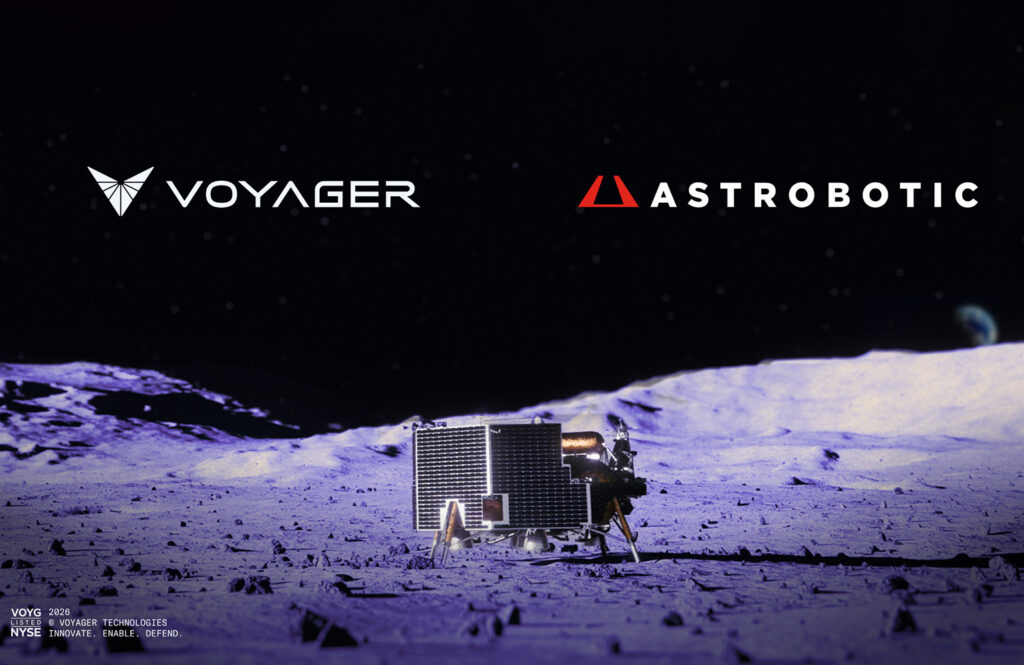
Context and Overview The recent acquisition of Astrobotic Technology Inc. by Voyager Technologies represents a pivotal move within the realm of lunar exploration and commercial space operations. Voyager Technologies, a leader in defense technology and mission-ready systems, aims to leverage Astrobotic’s expertise in lunar delivery, power systems, and reusable rocketry to expand its strategic initiatives associated with lunar operations. This collaboration seeks to enhance the capabilities and infrastructure necessary for sustained human presence on the Moon, aligning with NASA’s Artemis program objectives and other aspirations for lunar colonization. Main Goals and Achievement Strategies The primary goal of this acquisition is to establish a comprehensive lunar platform that can facilitate various lunar operations, including mission management, surface delivery, and long-duration habitation. By integrating Astrobotic’s existing technologies and expertise, Voyager intends to create a synergistic framework that will streamline lunar operations and logistics. This can be achieved through focused investments in Astrobotic’s lunar and reusable rocket programs, ultimately accelerating timelines for establishing a permanent U.S. presence on the Moon by 2028. Advantages of the Acquisition Enhanced Operational Capabilities: The merger will bolster Voyager’s lunar operations by incorporating Astrobotic’s advanced landers, such as the Peregrine and Griffin, which are crucial for surface delivery missions. Strategic Investment: Voyager’s commitment to investing in Astrobotic’s technology will catalyze the development of reusable rockets and lunar power systems, integral to sustaining life on the Moon. Robust Infrastructure: The establishment of a lunar infrastructure, including the LunaGrid solar distribution system, will facilitate energy management and operational efficiency on the lunar surface. Continuity and Stability: The acquisition ensures operational stability and leadership continuity for Astrobotic, allowing ongoing projects like Griffin Mission One to proceed without disruption. Long-term Vision: This collaboration embodies a long-term commitment to lunar presence, aligning with national interests in space exploration and technological advancement. Future Implications and Technological Developments The acquisition carries significant implications for the future of lunar exploration and the role of artificial intelligence in space operations. AI technologies are expected to play a pivotal role in automating various aspects of lunar missions, from navigation and obstacle avoidance to real-time data analysis for decision-making processes. As AI systems become increasingly sophisticated, they will enable more efficient robotic operations, reducing the need for human intervention and enhancing mission safety. Furthermore, advancements in AI will likely facilitate better resource management, allowing for sustainable practices in extraterrestrial environments. Conclusion The strategic acquisition of Astrobotic by Voyager Technologies marks a significant advancement in the pursuit of lunar exploration and commercial space operations. By harnessing Astrobotic’s capabilities and aligning with NASA’s objectives, Voyager is poised to play a crucial role in establishing a permanent lunar presence. The integration of AI technologies into future lunar missions will further enhance operational efficiency and pave the way for innovative solutions in space exploration, ultimately benefiting the broader field of Smart Manufacturing and Robotics. Disclaimer The content on this site is generated using AI technology that analyzes publicly available blog posts to extract and present key takeaways. We do not own, endorse, or claim intellectual property rights to the original blog content. Full credit is given to original authors and sources where applicable. Our summaries are intended solely for informational and educational purposes, offering AI-generated insights in a condensed format. They are not meant to substitute or replicate the full context of the original material. If you are a content owner and wish to request changes or removal, please contact us directly. Source link : Click Here

Context As biotechnology continues to evolve, the convergence of artificial intelligence (AI) and health innovation becomes increasingly significant. Recent developments highlight a notable shift, wherein pioneers in AI, such as Jakob Uszkoreit, are transitioning their expertise towards RNA-based therapeutics. This pivot exemplifies a broader trend in which AI methodologies are increasingly being utilized to enhance drug discovery and development processes. Furthermore, the discussions surrounding the efficacy of emerging treatments, such as those for pancreatic cancer by Revolution Medicines, underscore the critical interplay between scientific advancement and clinical application in the health sector. This intersection of technology and medicine presents both challenges and opportunities for HealthTech professionals. Main Goal and Achievement The primary goal articulated in the original content is to underscore the transformative potential of AI in drug development, particularly through the lens of RNA-based therapies. Achieving this goal necessitates an interdisciplinary approach that leverages AI algorithms to model biological processes and predict therapeutic outcomes. By harnessing advanced computational frameworks, such as biological foundation models, AI can facilitate the development of innovative treatments that are more targeted and efficient. This paradigm shift not only accelerates the discovery phase but also enhances the precision of therapeutic interventions. Advantages Enhanced Predictive Analytics: The integration of AI in drug development allows for more accurate predictions of drug interactions and patient responses, thereby increasing the likelihood of successful clinical outcomes. Streamlined Research Processes: AI methodologies can automate and optimize various stages of research, significantly reducing time and resource expenditures typically associated with drug development. Broader Applicability: The framework proposed by Inceptive Nucleics, for instance, can be adapted across diverse therapeutic modalities, including RNA interference therapies and mRNA-based treatments, thereby broadening the scope of potential innovations. Improved Data Utilization: AI systems can analyze vast datasets generated from biological experiments, leading to insights that may not be readily apparent through traditional analytical methods. Limitations Despite the promising advantages, there are inherent limitations associated with the application of AI in health technologies. The reliance on data quality is paramount; biased or incomplete datasets can lead to misleading conclusions. Moreover, the complexity of biological systems means that AI models may not always accurately capture the multifaceted nature of human health and disease. Thus, while AI presents opportunities for innovation, it is crucial for HealthTech professionals to approach its implementation with a critical mindset. Future Implications The future of AI in health and medicine appears poised for rapid transformation. As technologies such as machine learning and natural language processing continue to advance, their integration into healthcare systems will likely deepen. This evolution is expected to facilitate more personalized medicine approaches, enabling treatments tailored to individual genetic profiles and disease mechanisms. Additionally, as regulatory frameworks adapt to accommodate AI-driven innovations, the pathway for clinical application will become increasingly streamlined. Ultimately, the interplay between AI and healthcare will not only redefine therapeutic paradigms but also enhance the overall efficiency and effectiveness of healthcare delivery. Disclaimer The content on this site is generated using AI technology that analyzes publicly available blog posts to extract and present key takeaways. We do not own, endorse, or claim intellectual property rights to the original blog content. Full credit is given to original authors and sources where applicable. Our summaries are intended solely for informational and educational purposes, offering AI-generated insights in a condensed format. They are not meant to substitute or replicate the full context of the original material. If you are a content owner and wish to request changes or removal, please contact us directly. Source link : Click Here


