
Contextualizing Integrated Pest Management in Africa In the realm of agricultural innovation, Integrated Pest Management (IPM) stands as a pivotal strategy for enhancing crop protection in Africa. As global demand for agricultural products intensifies, particularly from the European Union (EU), African growers face mounting pressure to comply with stricter regulatory frameworks and market demands. This shift necessitates that crop protection companies reassess their strategies to effectively support these growers. The evolution towards IPM is not merely a trend; it is an essential adaptation to ensure sustainability and competitiveness in both local and international markets. Main Goal and Achieving Compliance The primary objective of the original discussion on IPM strategies is to facilitate the transition of African growers towards sustainable pest management practices that adhere to evolving regulatory standards. To achieve this, crop protection companies must develop and offer products that align with the EU’s stringent Maximum Residue Levels (MRLs) and actively support growers in implementing comprehensive IPM programs. This involves a strategic shift away from reliance on synthetic chemicals towards a more integrated approach that combines biological solutions with traditional methods, thereby ensuring compliance and enhancing market access. Advantages of Integrated Pest Management Strategies Enhanced Market Access: By adopting IPM practices that comply with EU regulations, African growers can secure access to premium markets that demand quality and safety, particularly for high-value crops like citrus and grapes. Reduction of Chemical Dependency: The integration of biological products, such as biopesticides and biostimulants, helps in reducing the reliance on synthetic chemicals, thereby mitigating potential environmental impacts and improving soil health. Improved Crop Yields: Utilizing a combination of traditional and biological pest management strategies can enhance crop resilience and yield stability, particularly under stress conditions such as drought or heat. Compliance and Sustainability: A well-structured IPM program not only meets regulatory requirements but also promotes sustainable agricultural practices, aligning with global trends towards environmental stewardship. Operational Flexibility: The ability to pivot towards biological solutions allows growers to adapt to changing regulatory landscapes and consumer preferences more swiftly. Limitations and Caveats Despite the numerous advantages, several limitations must be acknowledged. The transition to IPM can be complex, requiring significant investment in education and training for growers. Moreover, the performance of biological products can vary, and there may be initial resistance from growers accustomed to conventional practices. Additionally, regulatory frameworks across different African nations are often fragmented and can impede the swift adoption of new products and practices. Future Implications and the Role of AI Looking ahead, the integration of Artificial Intelligence (AI) into pest management strategies is poised to revolutionize the agricultural landscape in Africa. AI technologies can enhance the precision of pest monitoring and management, allowing for real-time data analysis and improved decision-making. This could lead to more efficient resource allocation and targeted interventions, ultimately increasing productivity while minimizing environmental impact. As AI continues to evolve, it is expected to provide innovative solutions that further enhance the efficacy of IPM programs, supporting African growers in navigating the complexities of modern agricultural challenges. Disclaimer The content on this site is generated using AI technology that analyzes publicly available blog posts to extract and present key takeaways. We do not own, endorse, or claim intellectual property rights to the original blog content. Full credit is given to original authors and sources where applicable. Our summaries are intended solely for informational and educational purposes, offering AI-generated insights in a condensed format. They are not meant to substitute or replicate the full context of the original material. If you are a content owner and wish to request changes or removal, please contact us directly. Source link : Click Here

Contextual Overview of the wp2shell Vulnerability The recent discovery of a critical vulnerability, termed wp2shell, within the WordPress core framework has raised significant concerns regarding web security. This flaw allows unauthenticated attackers to execute arbitrary code on WordPress installations, even those with no additional plugins. The vulnerability affects WordPress versions 6.9.0 through 6.9.4 and 7.0.0 through 7.0.1, which were subsequently patched in updates released on July 17, 2026. The implications of this vulnerability extend beyond the immediate threat to affected websites, highlighting broader vulnerabilities inherent in popular open-source platforms. Main Goals and Achievements The primary goal of addressing the wp2shell vulnerability is to enhance the overall security posture of WordPress installations. This can be achieved through prompt updates to the affected versions, thus preventing unauthorized access and potential exploitation by malicious actors. The proactive measures taken by WordPress to implement forced updates through its auto-update system exemplify an effective strategy in mitigating such vulnerabilities. By ensuring that users are running the latest versions, the risk of exploitation is significantly reduced. Advantages of Addressing WordPress Vulnerabilities Enhanced Security: Regular updates and patches, such as those implemented for the wp2shell vulnerability, fortify the security of WordPress installations, safeguarding against potential exploits. Community Engagement: The involvement of security researchers, as demonstrated by Adam Kues’ reporting of the flaw through WordPress’s HackerOne program, fosters a collaborative environment where vulnerabilities can be identified and addressed swiftly. Preventative Measures: The availability of tools such as the wp2shell checker allows website owners to proactively assess their installations, ensuring compliance with the latest security standards. Awareness of Cyber Threats: The disclosure of vulnerabilities and corresponding fixes educates website administrators about potential threats, emphasizing the importance of maintaining up-to-date systems. Caveats and Limitations Despite the advantages of prompt updates, several caveats must be considered. Notably, the forced updates may not reach installations where auto-updates have been disabled, leaving those sites vulnerable. Additionally, the absence of a CVE ID or CVSS score for the wp2shell vulnerability may hinder tracking and identification efforts, complicating the response for cybersecurity professionals. Future Implications of AI in Cybersecurity The integration of Artificial Intelligence (AI) in the realm of cybersecurity is poised to significantly alter the landscape of vulnerability management and threat detection. As AI technologies evolve, they will enhance the capabilities of cybersecurity experts in several ways: Automated Threat Detection: AI systems can analyze vast amounts of data in real-time, identifying patterns that may indicate potential vulnerabilities or attacks, thereby facilitating quicker responses. Predictive Analytics: Machine learning algorithms can be employed to anticipate potential vulnerabilities based on historical data, allowing organizations to preemptively bolster their defenses. Resource Optimization: AI can streamline the vulnerability assessment process, enabling cybersecurity teams to allocate resources more efficiently and focus on high-risk areas. However, the adoption of AI in cybersecurity also presents challenges. The potential for AI-driven attacks necessitates continuous advancements in defensive measures. Moreover, the reliance on automated systems may inadvertently lead to complacency among cybersecurity professionals, highlighting the need for a balanced approach that combines human expertise with technological advancements. Conclusion In summary, the wp2shell vulnerability underscores the critical importance of maintaining robust security practices within the WordPress ecosystem. The swift response by WordPress to patch the vulnerability demonstrates a commitment to user security; however, ongoing vigilance is essential to protect against future threats. As AI continues to evolve, its integration into cybersecurity will offer new tools and strategies, but it will also require a proactive approach from cybersecurity experts to stay ahead of emerging threats. Disclaimer The content on this site is generated using AI technology that analyzes publicly available blog posts to extract and present key takeaways. We do not own, endorse, or claim intellectual property rights to the original blog content. Full credit is given to original authors and sources where applicable. Our summaries are intended solely for informational and educational purposes, offering AI-generated insights in a condensed format. They are not meant to substitute or replicate the full context of the original material. If you are a content owner and wish to request changes or removal, please contact us directly. Source link : Click Here
Introduction The integration of artificial intelligence (AI) into the legal profession is altering traditional paradigms of legal work and service delivery. While many forecasts highlight potential job losses and reduced demand for legal professionals due to technological advancements, insights from industry leaders such as Ryan Anderson, CEO of Filevine, and John Rizner, the company’s product manager, present a contrasting perspective. They assert that AI will not only increase the volume of legal work but also enhance accessibility to legal services, thereby bridging the access-to-justice gap. This blog post will explore how AI can achieve these goals, the benefits it offers to legal professionals, and future implications for the legal landscape. Goals of AI in the Legal Sector The primary goal of AI integration within the legal sector is to enhance efficiency and effectiveness in legal practices. By automating routine tasks such as document drafting, legal research, and citation analysis, AI can minimize the time attorneys spend on these activities. This increase in efficiency allows legal professionals to focus on more complex and substantive legal issues, ultimately leading to improved outcomes for clients. The application of AI tools like Filevine’s legal AI platform, Lois, aims to transform traditional legal workflows, making them more efficient and accessible. Advantages of AI Integration in Legal Work 1. **Increased Accessibility of Legal Services**: – AI technologies can streamline the process of legal service delivery, enabling lawyers to serve a larger number of clients efficiently. For instance, Anderson predicts growth in areas such as family law, immigration, and bankruptcy, which have historically been expensive and less accessible to average clients. 2. **Enhanced Quality of Legal Research**: – AI tools facilitate deeper legal research by providing access to a broader range of legal opinions and doctrines. By utilizing citation graphs and semantic analysis, tools like Lois can uncover relevant cases that traditional citators may miss, resulting in more comprehensive legal arguments. 3. **Efficiency in Document Review and Drafting**: – AI can significantly reduce the time required for drafting legal documents and reviewing cases, allowing lawyers to allocate more time to strategic considerations and nuanced legal analysis. This efficiency does not necessarily eliminate the billable hour, but it encourages improved work quality and client service. 4. **Creation of New Legal Work Opportunities**: – The introduction of AI-driven efficiencies creates previously unavailable legal work opportunities. As legal processes become less expensive and more manageable through technology, lawyers may engage in motions and legal theories that were previously deemed too costly. 5. **Empowered Legal Judgment**: – While AI enhances efficiency and access, the need for human judgment remains paramount. Legal professionals will increasingly rely on their expertise to interpret AI-generated outputs, ensuring that legal advice adheres to ethical standards and accurately reflects the complexities of legal scenarios. Caveats and Limitations Despite the numerous advantages, it is essential to acknowledge certain caveats and limitations associated with AI integration in the legal field: – **Dependence on Technology**: Legal professionals must exercise caution when relying on AI-generated outputs, as inaccuracies in AI-generated analyses can lead to significant legal consequences. The necessity for thorough human review cannot be overstated. – **Potential Bias in AI Models**: The choice of AI models can introduce jurisprudential bias. Different models may produce varying recommendations based on their underlying algorithms, which can lead to inconsistent legal advice. – **Training and Knowledge Gaps**: Junior lawyers, in particular, may face challenges in utilizing AI tools effectively due to a lack of experience. Adequate training and mentoring are crucial to mitigate the risks associated with over-reliance on AI. Future Implications of AI in the Legal Sector As AI technologies continue to evolve, several potential implications for the legal sector can be anticipated: – **Proliferation of Customized AI Models**: The legal landscape may witness the emergence of more tailored AI models that cater to specific practice areas or individual client preferences, enhancing the precision and relevance of legal advice. – **Increased Collaboration Between Humans and AI**: The role of the lawyer will evolve into that of a collaborator with AI systems, where human judgment complements AI capabilities. This partnership will become essential for achieving optimal legal outcomes. – **Shifts in Legal Education and Training**: Law schools may need to adapt their curricula to address the changing nature of legal practice in an AI-driven environment, ensuring that new lawyers are proficient in leveraging these technologies effectively. – **Challenges for the Judiciary**: As AI enhances the volume of cases brought to court, the judiciary may face challenges in managing increased caseloads. This could necessitate systemic reforms to adapt to the evolving legal landscape. Conclusion The integration of AI into the legal profession stands to revolutionize the way legal services are delivered and accessed. By enhancing efficiency, improving the quality of legal research, and expanding the scope of legal representation, AI has the potential to create a more equitable legal landscape. However, legal professionals must remain vigilant regarding the limitations and biases associated with AI technologies. As the legal sector navigates this transformation, a balanced approach that combines technological advancements with human expertise will be essential for fostering justice and maintaining the integrity of legal practice. Disclaimer The content on this site is generated using AI technology that analyzes publicly available blog posts to extract and present key takeaways. We do not own, endorse, or claim intellectual property rights to the original blog content. Full credit is given to original authors and sources where applicable. Our summaries are intended solely for informational and educational purposes, offering AI-generated insights in a condensed format. They are not meant to substitute or replicate the full context of the original material. If you are a content owner and wish to request changes or removal, please contact us directly. Source link : Click Here

Introduction The intersection of technology and finance has given rise to innovative platforms such as prediction markets, which allow users to speculate on the outcomes of future events. In recent news, a significant investigation by the Commodity Futures Trading Commission (CFTC) has surfaced involving a teleprompter operator for former President Donald Trump, Gabriel Perez, who is alleged to have profited from insider trading on the prediction market platform, Kalshi. This incident raises profound questions about the ethical implications of insider knowledge in financial markets and highlights the evolving role of artificial intelligence (AI) in enhancing market integrity and regulatory compliance. Context of the Investigation The investigation centers around claims that Perez made considerable profits—over $90,000—through trades on Kalshi, specifically betting on the phrases that Trump would utter during public speeches. Following the emergence of these allegations, Kalshi’s surveillance systems flagged the trades as suspicious, leading to the freezing of Perez’s account and the involvement of federal regulators. White House Press Secretary Karoline Leavitt confirmed that Perez has been placed on unpaid leave and emphasized the administration’s strict ethical guidelines regarding such matters. Main Goal and Achieving Compliance The primary objective of this investigation is to uphold the integrity of prediction markets by preventing insider trading and ensuring that all participants operate under the same rules. Achieving this goal involves rigorous monitoring of trading activities, the implementation of strict ethical guidelines, and collaboration between trading platforms and regulatory bodies. Kalshi’s proactive measures, including the freezing of suspicious accounts and the referral of cases to the CFTC, exemplify how financial institutions can maintain compliance and protect market integrity. Advantages of Ethical Compliance in Financial Markets Market Integrity: Ensuring that trading is conducted fairly helps preserve the trust of participants and the public, which is essential for the longevity of any financial market. Enhanced Investor Confidence: When markets are perceived as fair and transparent, investor confidence increases, leading to greater participation and liquidity. Regulatory Alignment: Compliance with regulations reduces the risk of legal repercussions for both individuals and firms, fostering a more stable financial environment. Improved Surveillance Technology: The use of AI in market monitoring can streamline the detection of unusual trading patterns, making it easier to identify potential misconduct quickly. Future Implications of AI in Finance The ongoing developments in AI technology are poised to further revolutionize the finance and FinTech industries. As predictive analytics and machine learning algorithms continue to evolve, they will enhance the ability of regulatory bodies and trading platforms to identify and mitigate risks associated with insider trading. Furthermore, AI can facilitate real-time monitoring and analysis of market behavior, allowing for quicker interventions in cases of suspicious trading activity. This increased capability may ultimately lead to more robust ethical standards and a reduction in fraudulent activities within financial markets. Conclusion The case of Gabriel Perez underscores the critical importance of ethical compliance and the role of advanced technologies in safeguarding financial markets. As AI continues to integrate into finance, its potential to enhance market integrity and regulatory oversight will be invaluable. Financial professionals must remain vigilant and proactive in adhering to ethical guidelines, as the implications of their actions extend beyond individual trades to the overall health of the financial ecosystem. Disclaimer The content on this site is generated using AI technology that analyzes publicly available blog posts to extract and present key takeaways. We do not own, endorse, or claim intellectual property rights to the original blog content. Full credit is given to original authors and sources where applicable. Our summaries are intended solely for informational and educational purposes, offering AI-generated insights in a condensed format. They are not meant to substitute or replicate the full context of the original material. If you are a content owner and wish to request changes or removal, please contact us directly. Source link : Click Here

Context and Relevance of AI in Sports Analytics The landscape of professional sports is evolving rapidly, particularly with the integration of artificial intelligence (AI) and data analytics. The recent developments surrounding Canberra United, a prominent women’s soccer team in the A-League Women, illustrate the dynamic interplay between sports management, community engagement, and technological advancements. With Australian Sports Group (ASG) acquiring the team and planning to introduce an A-League Men side in the upcoming seasons, there is a growing emphasis on leveraging data analytics to enhance team performance and optimize community support. This shift is essential not only for the sustainability of clubs but also for creating a more engaging experience for fans and stakeholders. Main Goal and Achievement Strategies The primary objective articulated in the context of Canberra United’s future is the establishment of a robust, integrated professional football ecosystem in the Australian Capital Territory (ACT). Achieving this goal necessitates a multi-faceted approach that includes strategic investment in player development, enhancing community involvement, and effectively utilizing data analytics to inform decision-making processes. By employing AI-driven analytics, clubs can better understand player performance metrics, fan engagement levels, and market dynamics, thereby creating a more sustainable operational framework. Advantages of Integrating AI in Sports Management Enhanced Performance Analysis: AI algorithms can analyze vast amounts of player performance data, enabling coaches and management to make informed decisions about training regimens and game strategies. Improved Fan Engagement: By utilizing data analytics, clubs can tailor marketing efforts and community outreach initiatives to better resonate with their supporters, as evidenced by ASG’s commitment to acknowledging the Canberra community’s role in their success. Strategic Decision Making: AI can assist in financial forecasting and resource allocation, allowing clubs to optimize their investments in talent and infrastructure. Injury Prevention: Advanced analytics can predict injury risks by assessing players’ physical conditions and past injury records, thereby prolonging athlete careers and enhancing team performance. However, it is essential to recognize that the implementation of AI in sports analytics is not without its limitations. Data privacy concerns, the potential for over-reliance on analytics at the expense of human intuition, and the need for continuous technological adaptation represent significant challenges that must be navigated. Future Implications of AI Developments in Sports The future of AI in sports analytics appears promising, especially as technologies continue to evolve. With the anticipated introduction of an A-League Men’s team in Canberra, there will be an increased demand for comprehensive data strategies that support not only performance optimization but also fan engagement and commercial viability. As AI technology matures, its ability to provide real-time insights and predictive analytics will likely become a standard practice in sports management. Furthermore, the ongoing integration of AI could lead to innovative fan experiences, such as personalized content delivery and enhanced interaction through digital platforms. These advancements will foster deeper connections between clubs and their supporters, ultimately contributing to a more vibrant sports culture in Australia. Disclaimer The content on this site is generated using AI technology that analyzes publicly available blog posts to extract and present key takeaways. We do not own, endorse, or claim intellectual property rights to the original blog content. Full credit is given to original authors and sources where applicable. Our summaries are intended solely for informational and educational purposes, offering AI-generated insights in a condensed format. They are not meant to substitute or replicate the full context of the original material. If you are a content owner and wish to request changes or removal, please contact us directly. Source link : Click Here
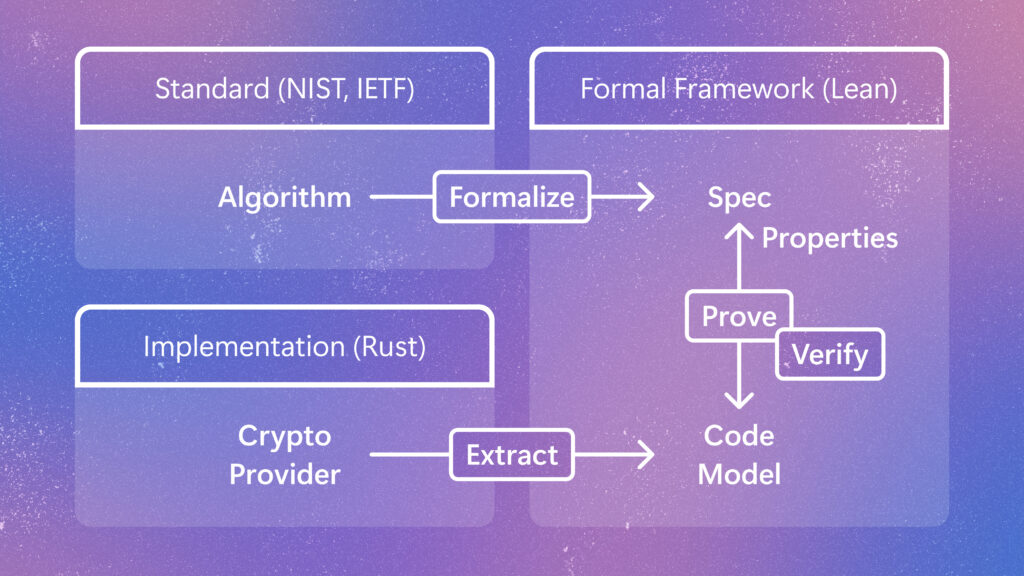
Context In the realm of cryptography, accuracy and security are paramount. Cryptographic algorithms underpin a myriad of modern computing applications, from operating systems and cloud services to messaging protocols. The integrity of these systems is jeopardized by even minor coding errors, which can lead to significant vulnerabilities. Traditional methods such as testing and auditing are insufficient in isolation, particularly when dealing with complex and optimized cryptographic code. This need for enhanced security assurance has led to the adoption of formal verification methodologies, which utilize machine-checked proofs to ensure the correctness of cryptographic implementations. This blog post explores how Rust, Lean, Aeneas, and AI agents are revolutionizing formal verification in cryptography, thereby enhancing the reliability and security of cryptographic algorithms. Main Goal and Achievements The primary objective outlined in the original content is the formal verification of cryptographic algorithms implemented in Rust, specifically within the SymCrypt library. This process aims to guarantee that the code accurately and securely implements standard algorithms, particularly those relevant to post-quantum cryptography. The introduction of Rust, alongside the Lean proof framework and the Aeneas toolchain, facilitates a scalable verification methodology that integrates seamlessly into the development process. By validating Rust code as it is written, developers can maintain performance-oriented implementation choices while ensuring the correctness of their algorithms. Advantages of Formal Verification in Cryptography Enhanced Security Assurance: Formal verification provides a mathematical guarantee of correctness, mitigating the risk of vulnerabilities that can arise from coding errors. Seamless Integration into Development Workflows: By allowing developers to verify code in the Rust programming language, the process aligns with existing development practices, avoiding the need for a complete overhaul of coding standards. Automation through Aeneas and AI Agents: The automation of proof generation via Aeneas and AI agents significantly reduces the workload on developers, allowing for efficient scaling of verification efforts across large codebases. Executable Specifications: The use of Lean allows for the creation of executable specifications that can be tested against official vectors, ensuring that formal models are correct and reflective of their intended standards. Visibility and Transparency: Automatically generated dashboards make verification results accessible and understandable to developers, promoting a culture of security awareness and continuous improvement. Limitations and Considerations Despite the significant advantages presented by formal verification, there are inherent limitations. The complexity of implementing formal proofs can lead to substantial initial investment in terms of time and resources. Additionally, the effectiveness of verification is contingent upon the correctness of the formal specifications and the algorithms they represent. Misalignment between specifications and implementations can result in discrepancies that may not be immediately evident. Future Implications The future of formal verification in cryptography is closely tied to the evolution of AI technologies. As AI agents become increasingly sophisticated, their ability to automate complex proof tasks will likely enhance the scalability and efficiency of verification processes. The integration of AI within formal verification frameworks could lead to real-time verification capabilities, enabling developers to receive immediate feedback on code correctness. This shift would not only streamline the development process but also foster a new paradigm in cryptography where security is built into the fabric of software development from the outset. Conclusion In conclusion, the adoption of formal verification methodologies, particularly through the use of Rust, Lean, Aeneas, and AI agents, represents a significant advancement in the field of cryptography. By ensuring that cryptographic code is both secure and maintainable, these technologies pave the way for a future where robust security practices are ingrained within the development lifecycle, ultimately leading to safer digital environments. Disclaimer The content on this site is generated using AI technology that analyzes publicly available blog posts to extract and present key takeaways. We do not own, endorse, or claim intellectual property rights to the original blog content. Full credit is given to original authors and sources where applicable. Our summaries are intended solely for informational and educational purposes, offering AI-generated insights in a condensed format. They are not meant to substitute or replicate the full context of the original material. If you are a content owner and wish to request changes or removal, please contact us directly. Source link : Click Here
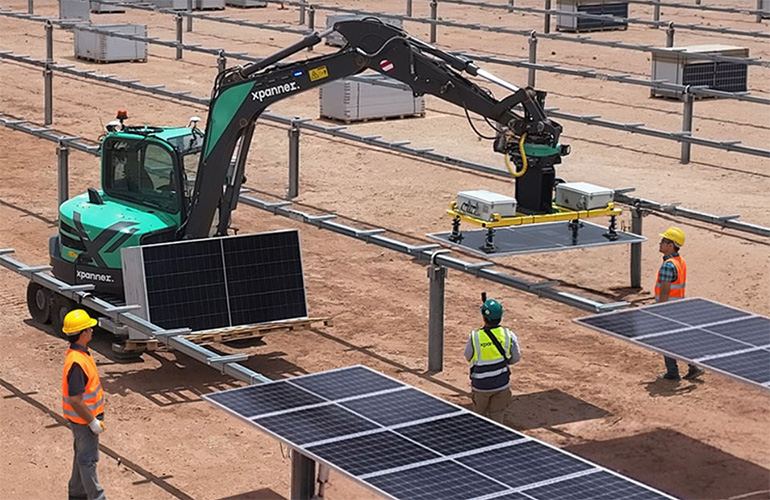
Context of Automated Solutions in Solar Panel Installation The recent introduction of the X1 Panel Lift by Xpanner Global marks a significant advancement in the solar energy sector, particularly in the realm of automated solar panel installation. This innovative system aims to alleviate the skilled labor shortage that is increasingly impacting the solar industry. The X1 Panel Lift, initially designed for solar pile-driving operations, has been adapted to facilitate the lifting and replacement of solar panels using excavators. The ability to automate the labor-intensive aspects of solar panel installation allows installation teams to concentrate on higher-value tasks, such as precision alignment and quality assurance. The solar energy sector is characterized by its reliance on substantial manual labor for the placement of solar panels across expansive utility-scale projects. Xpanner’s solution seeks to redefine this paradigm, allowing for streamlined operations that enhance productivity while reducing the dependency on large crews. This shift is particularly pertinent given the current labor market constraints, making the deployment of automated systems not just advantageous but essential for the industry’s growth. Main Goal and Achievements of the X1 Panel Lift The primary objective of the X1 Panel Lift is to transform the solar installation process by integrating automation solutions that can operate effectively with minimal human intervention. The system is designed to be user-friendly, requiring only one operator to manage the entire operation through a simplified control interface. This operational efficiency is anticipated to significantly reduce the number of laborers needed on-site, enabling companies to allocate their workforce to more critical tasks that require skilled expertise. By implementing the X1 Panel Lift, Xpanner aims to achieve several key outcomes: – **Increased Efficiency**: Automating repetitive tasks allows crews to focus on quality assurance and installation precision. – **Reduced Labor Costs**: Transitioning from a traditional crew of ten to a three-person team can dramatically lower operational costs. – **Enhanced Safety**: The design ensures that operators can maintain safe distances during operation, mitigating risks associated with manual handling. Advantages of the X1 Panel Lift System The deployment of the X1 Panel Lift system offers multiple advantages, particularly for stakeholders in the solar energy sector. These benefits include: 1. **Labor Reduction**: The X1 Panel Lift permits a significant decrease in the size of the workforce required for installation, allowing for a more agile and efficient approach to solar projects. 2. **Enhanced Safety Protocols**: With operators controlling the system from a distance, the risk of on-site injuries is minimized, contributing to a safer work environment. 3. **Real-Time Data Integration**: The system’s capability to create a digital twin of the job site facilitates ongoing monitoring and data collection, which can enhance project management and efficiency. 4. **Cost-Effectiveness**: The shift towards automation can lead to lower overall project costs, especially in terms of labor expenses and reduced rework due to installation errors. 5. **Scalability**: The modular nature of the X1 Panel Lift, which can be retrofitted to existing excavators, allows companies to upgrade their capabilities without significant capital investment in new equipment. 6. **Simplicity of Operation**: The user-friendly interface requires minimal training, allowing operators to become proficient quickly, thus reducing downtime associated with onboarding new personnel. However, it is important to note that while the system addresses many challenges in the solar installation process, it still necessitates human oversight, particularly in tasks such as securing panels to frames. Therefore, a balanced approach that combines automation with skilled labor remains essential. Future Implications of AI in Solar Panel Installation As advancements in artificial intelligence continue to evolve, their integration into automated solutions like the X1 Panel Lift is poised to augment the capabilities of robotic systems in the solar energy sector. Future developments may include: – **Enhanced Predictive Analytics**: AI algorithms could analyze historical project data to forecast potential delays and optimize scheduling, further improving labor efficiency. – **Improved Autonomous Navigation**: Future iterations of the X1 Panel Lift may incorporate advanced machine learning techniques to enhance the system’s ability to adapt to dynamic environmental conditions on job sites. – **Integration with Supply Chain Management**: AI-driven logistics solutions could streamline the supply chain for solar materials, ensuring that components are available when needed, thus minimizing downtime. In conclusion, the integration of automated systems such as the X1 Panel Lift represents a transformative step for the solar industry, providing significant benefits in efficiency, cost reduction, and safety. As AI continues to shape the landscape of automation, the potential for even more sophisticated solutions will enable further advancements in solar energy deployment, ultimately supporting the industry’s growth and sustainability goals. Disclaimer The content on this site is generated using AI technology that analyzes publicly available blog posts to extract and present key takeaways. We do not own, endorse, or claim intellectual property rights to the original blog content. Full credit is given to original authors and sources where applicable. Our summaries are intended solely for informational and educational purposes, offering AI-generated insights in a condensed format. They are not meant to substitute or replicate the full context of the original material. If you are a content owner and wish to request changes or removal, please contact us directly. Source link : Click Here

Contextual Overview In recent developments within the biopharma sector, prediction markets are emerging as innovative tools for gauging outcomes of clinical trials and regulatory approvals. Kalshi, a prominent prediction market exchange, has announced its intent to facilitate betting on the outcomes of clinical trials, particularly focusing on Phase 3 trials associated with established pharmaceutical companies. This initiative, executed in collaboration with AppliedXL, a technology enterprise specializing in predictive analytics for clinical study outcomes, signifies a groundbreaking shift in how clinical trial outcomes are viewed and evaluated. Main Goal and Its Achievement The primary objective of Kalshi’s initiative is to create a transparent and quantifiable mechanism for assessing the probability of success in clinical trials. By leveraging prediction markets, stakeholders—including investors, healthcare professionals, and researchers—can gain insights into the likelihood of regulatory approvals and trial outcomes. This approach not only democratizes information access but also enhances decision-making processes within the biopharma industry. Achieving this goal necessitates a conservative start, wherein Kalshi focuses on well-established Phase 3 trials that have undergone rigorous scrutiny by the U.S. Food and Drug Administration (FDA). Advantages of Prediction Markets in Biopharma Informed Decision-Making: Prediction markets provide real-time data reflecting collective insights from various stakeholders, facilitating better-informed investment and development decisions in the biopharma sector. Enhanced Transparency: By allowing market participants to place bets on clinical outcomes, these platforms promote transparency in trial results and regulatory processes, potentially leading to increased public trust. Potential for Innovation: The integration of prediction markets could spur innovation in trial design and execution, as stakeholders may be incentivized to optimize outcomes to influence market perceptions. Market Dynamics Reflection: The ability to capture and reflect market sentiment can serve as a valuable predictive tool for pharmaceutical companies, enabling them to align their strategies with market expectations. Despite these advantages, it is crucial to acknowledge limitations, such as the potential for market manipulation and the ethical implications of monetizing health outcomes. Future Implications of AI in Clinical Trials As artificial intelligence continues to advance, its integration into prediction markets will likely revolutionize the biopharma landscape. AI technologies can enhance the predictive accuracy of outcomes by analyzing vast datasets, identifying patterns, and providing actionable insights. Furthermore, machine learning algorithms can continuously refine predictions based on emerging data, thereby improving the reliability of market forecasts. This evolution not only holds promise for increasing the efficiency of clinical trials but also for reducing the associated costs, ultimately leading to faster access to innovative therapies for patients. Disclaimer The content on this site is generated using AI technology that analyzes publicly available blog posts to extract and present key takeaways. We do not own, endorse, or claim intellectual property rights to the original blog content. Full credit is given to original authors and sources where applicable. Our summaries are intended solely for informational and educational purposes, offering AI-generated insights in a condensed format. They are not meant to substitute or replicate the full context of the original material. If you are a content owner and wish to request changes or removal, please contact us directly. Source link : Click Here

Contextual Overview of the Pixel 11 Leak and Its Implications The anticipation surrounding Google’s forthcoming Pixel smartphone lineup has reached a heightened state as the company prepares for its upcoming showcase event. Recent leaks have surfaced, generating significant interest among prospective consumers, particularly those with a penchant for distinctive color palettes. As reported by 9to5Google, potential listings on Amazon suggest that the Pixel 11 may feature models in vibrant hues such as magenta and peach. The significance of these leaks lies not only in the aesthetic appeal of the devices but also in their potential to influence consumer preferences and market trends in the technology sector. Main Goal of the Original Post The primary objective of the original post is to generate excitement and speculation regarding the anticipated color variants of the Pixel 11 smartphone. By leveraging leaks to stimulate consumer interest, the post underscores the importance of aesthetics in technology adoption. To achieve this goal, it is essential for companies like Google to foster transparent communication regarding product developments, while simultaneously engaging with their audience through strategic marketing initiatives that highlight unique selling propositions such as innovative design and color options. Advantages of Vibrant Smartphone Colorways The potential introduction of vibrant color options for the Pixel 11 smartphones presents several advantages: Enhanced Consumer Appeal: The introduction of bold colors like magenta and peach caters to a demographic increasingly interested in personal expression through technology. This aligns with contemporary consumer trends favoring personalization. Increased Market Differentiation: Unique color offerings can differentiate products in a saturated market, potentially attracting consumers who prioritize aesthetics alongside functionality. Positive Emotional Response: The interplay between color and consumer psychology suggests that vibrant hardware can elicit positive emotional responses, thus enhancing user satisfaction and brand loyalty. However, it is important to note that reliance on aesthetic appeal must be balanced with functionality and performance. The ultimate consumer decision is often influenced by a multitude of factors beyond mere color choice. Future Implications and the Role of AI in Product Development The advent of artificial intelligence (AI) technologies is poised to further revolutionize the smartphone industry, particularly in the context of product design and consumer engagement. As AI algorithms become increasingly sophisticated, they can facilitate the analysis of consumer preferences and trends, enabling manufacturers to tailor their offerings more effectively. This could lead to: Dynamic Color Customization: Future iterations of smartphones may allow for real-time customization of color and design based on user preferences, thus enhancing personalization. Improved Predictive Analytics: AI can enable manufacturers to predict emerging color trends, allowing companies to stay ahead of market demands and better align their product development strategies with consumer expectations. Enhanced User Experience: By integrating AI-driven insights into product design, manufacturers can create devices that not only meet aesthetic desires but also improve overall usability and functionality. In conclusion, the Pixel 11 leak serves as a crucial reminder of the interplay between aesthetics and technology in consumer decision-making. As the industry evolves and incorporates AI advancements, manufacturers must remain attuned to consumer preferences, ensuring that both design and functionality are prioritized in future products. Disclaimer The content on this site is generated using AI technology that analyzes publicly available blog posts to extract and present key takeaways. We do not own, endorse, or claim intellectual property rights to the original blog content. Full credit is given to original authors and sources where applicable. Our summaries are intended solely for informational and educational purposes, offering AI-generated insights in a condensed format. They are not meant to substitute or replicate the full context of the original material. If you are a content owner and wish to request changes or removal, please contact us directly. Source link : Click Here

Introduction As the agricultural season transitions from winter to spring in March, farmers and AgriTech innovators alike are presented with a unique opportunity to enhance soil health through various amendments. Understanding the significance of soil amendments not only promotes better crop yields but also contributes to sustainable farming practices. This blog post explores the critical amendments that can be applied during this pivotal month, focusing on their benefits and implications for the AgriTech and Smart Farming industry. Understanding the Goals of Soil Amendments The primary goal of adding amendments to the soil in March is to improve soil fertility and structure, facilitating optimal growing conditions for crops. This can be achieved by incorporating organic materials that enhance the soil microbiome and provide essential nutrients for plant growth. By evaluating soil temperature and moisture levels, farmers can determine the appropriate time to apply these amendments, ensuring that the ground is amenable to such interventions. Advantages of Soil Amendments Enhanced Nutrient Availability: Amendments such as compost and worm castings enrich the soil with nutrients that are readily accessible to plants, promoting healthy growth. Improved Soil Structure: Organic materials help in maintaining soil porosity and aeration, which are vital for root development and water retention. Increased Microbial Activity: The introduction of organic matter stimulates beneficial microbial populations, leading to a more balanced and vibrant soil ecosystem. Weed Suppression: The application of mulch not only conserves moisture but also inhibits weed growth, reducing competition for nutrients and resources. Erosion Control: Organic amendments, such as leaf mold, play a critical role in minimizing soil erosion by improving aggregate stability and moisture retention. Caveats and Limitations While the benefits of soil amendments are substantial, certain caveats must be considered. For instance, the application of compost can lead to a decrease in soil pH if the existing soil is already acidic. Additionally, over-reliance on synthetic fertilizers without proper soil testing may result in nutrient imbalances, adversely affecting crop health and soil quality. Future Implications and AI Integration The integration of artificial intelligence (AI) in the agricultural sector is poised to revolutionize soil management practices. Advanced AI algorithms can analyze soil data in real-time to provide tailored recommendations for soil amendments based on specific crop requirements and local conditions. Furthermore, AI-driven technologies can assist in monitoring soil health and predicting nutrient needs, optimizing the timing and quantity of amendment applications. As AgriTech continues to evolve, the synergy between AI and sustainable farming practices will enhance productivity while ensuring environmental sustainability. Conclusion In conclusion, March serves as a critical period for implementing soil amendments that significantly enhance soil health and agricultural productivity. By understanding the advantages of various amendments and the potential limitations associated with their use, farmers and AgriTech innovators can make informed decisions that will lead to sustainable farming practices. Moreover, the future of soil management looks promising with the advent of AI technologies, which will enable more precise and efficient agricultural practices. Disclaimer The content on this site is generated using AI technology that analyzes publicly available blog posts to extract and present key takeaways. We do not own, endorse, or claim intellectual property rights to the original blog content. Full credit is given to original authors and sources where applicable. Our summaries are intended solely for informational and educational purposes, offering AI-generated insights in a condensed format. They are not meant to substitute or replicate the full context of the original material. If you are a content owner and wish to request changes or removal, please contact us directly. Source link : Click Here


