
Introduction The landscape of agriculture is undergoing a significant transformation, largely driven by advancements in autonomous farming technology. As we witness the deployment of autonomous tractors and systems across various agricultural operations, several emerging trends are reshaping perceptions of this technology. This post will elucidate key trends impacting autonomous farming, focusing on retrofitting existing machinery, labor dynamics, and the evolving concept of horsepower in agricultural practices. Understanding these aspects is crucial for AgriTech innovators striving to enhance efficiency and productivity in farming operations. The Retrofit Paradigm One of the most compelling trends in autonomous farming is the retrofit solution, which emphasizes the importance of upgrading existing machinery rather than developing brand-new equipment. This approach recognizes that many farmers have substantial investments in their current equipment, which they prefer to maximize rather than replace. By retrofitting existing tractors and implements with autonomous technology, farmers can enhance the utility of their current assets, thus extending their operational lifespan and improving performance. This shift towards retrofitting presents a strategic opportunity for AgriTech innovators. By focusing on solutions that integrate seamlessly with established machinery, companies can cater to farmers’ desires for continuity and reliability. This strategy not only enhances the value proposition of autonomous technology but also mitigates the risk associated with adopting untested new machinery. The Labor Dynamics Another significant trend is the evolving role of labor within agricultural operations adopting autonomy. Contrary to the common perception that automation reduces the need for human labor, many farming operations are utilizing autonomous systems to enhance workforce efficiency. The integration of autonomous technology allows farmers to reallocate their existing workforce to higher-value tasks while automation handles repetitive and labor-intensive activities. This trend highlights the importance of viewing autonomy not as a means of job replacement but as a catalyst for unlocking human potential in agriculture. By enabling workers to focus on more strategic roles, farms can increase their productivity without expanding their payroll. This paradigm shift is essential for AgriTech innovators to consider when designing solutions that complement and enhance the capabilities of existing labor forces. The Horsepower Reimagined The third trend involves a reevaluation of the concept of horsepower in the context of autonomous technology. Historically, the agricultural sector has focused on increasing equipment size and horsepower to meet production demands. However, the advent of autonomous systems introduces a new dimension: the ability to increase operational hours without proportionally increasing horsepower. James Watt’s equation, which correlates horsepower with work and time, underscores that as operational time increases through autonomy, the demand for horsepower may decrease. This shift could lead to a future where the significance of horsepower diminishes, allowing for more efficient, smaller, and cost-effective machinery to dominate the market. AgriTech innovators must consider this implication as they develop future technologies that balance efficiency with the evolving needs of farmers. Advantages of Autonomous Farming Technology Cost Efficiency: Retrofitting existing equipment reduces the need for new capital expenditures while extending the life and functionality of current assets. Enhanced Productivity: By reallocating labor to higher-value tasks, farms can achieve higher output levels without increasing workforce size. Reduced Dependence on Horsepower: The shift towards autonomy allows for smaller machines to perform efficiently, potentially lowering operational costs and resource consumption. Increased Operational Flexibility: Autonomous systems can facilitate extended working hours, which enables farmers to maximize planting and harvest windows. Caveats and Limitations While the advantages of autonomous farming technology are substantial, it is essential to acknowledge potential limitations. The initial cost of retrofitting can be significant for some farmers, and there may be technological compatibility issues with older machinery. Furthermore, reliance on technology raises concerns regarding data security and the need for ongoing technical support. Thus, AgriTech innovators must navigate these challenges to create accessible and reliable solutions. Future Implications and AI Integration The future of autonomous farming is poised for further evolution, particularly through the integration of artificial intelligence (AI). As AI technologies advance, their application in autonomous systems can enhance decision-making processes, optimize field operations, and improve predictive analytics for crop management. Such developments could lead to more precise farming techniques, increased sustainability, and greater yields. Moreover, the integration of AI will likely facilitate real-time data analysis, enabling farmers to make informed decisions based on current field conditions. This synergy between AI and autonomous technology will redefine productivity metrics and operational efficiency, creating a new standard in agricultural practices. Conclusion The trends in autonomous farming—retrofitting existing machinery, rethinking labor dynamics, and redefining horsepower—illustrate the profound changes occurring in the agricultural sector. As AgriTech innovators continue to explore these avenues, they will not only enhance operational efficiency but also foster a more sustainable and productive future for farming. By embracing these trends, stakeholders can navigate the complexities of modern agriculture and harness the full potential of autonomous technology. Disclaimer The content on this site is generated using AI technology that analyzes publicly available blog posts to extract and present key takeaways. We do not own, endorse, or claim intellectual property rights to the original blog content. Full credit is given to original authors and sources where applicable. Our summaries are intended solely for informational and educational purposes, offering AI-generated insights in a condensed format. They are not meant to substitute or replicate the full context of the original material. If you are a content owner and wish to request changes or removal, please contact us directly. Source link : Click Here

Context and Significance of the 2025 CropLife 100 Report The release of the 2025 CropLife 100 Report signifies a pivotal moment in the agricultural sector, particularly within the U.S. ag retail landscape. As the definitive ranking produced by CropLife, this report serves as a critical benchmark for assessing the performance of the largest agricultural retail companies in the United States. Now in its 42nd year, the CropLife 100 report not only reflects the current state of ag retail but also provides insights that resonate beyond U.S. borders, highlighting global trends that affect AgriTech and smart farming innovations. Main Objectives of the CropLife 100 Report The primary objective of the 2025 CropLife 100 Report is to furnish stakeholders with a thorough analysis of the largest ag retail firms in the U.S., enabling them to gauge market dynamics and performance metrics effectively. By offering a detailed breakdown of product categories—including fertilizers, crop protection, and seeds—the report allows industry professionals to identify growth opportunities, assess competitive landscapes, and strategize for future developments. Achieving these objectives requires a commitment to data collection and analysis, ensuring that stakeholders can rely on the report as a credible resource. Advantages of the CropLife 100 Report Comprehensive Market Analysis: The report provides valuable insights into various product categories that have seen significant fluctuations, allowing AgriTech innovators to understand market demands better. Benchmarking Performance: Companies can compare their performance against industry giants, facilitating informed decision-making and strategic planning. Global Trends Identification: The insights gleaned from the report reflect not only U.S. trends but also global shifts in agricultural practices, helping innovators align their strategies with international standards. Focus on Sustainability: The report emphasizes sustainable nutrient management practices, which are increasingly critical for today’s environmentally-conscious consumers and regulatory frameworks. Important Considerations and Limitations While the CropLife 100 Report offers numerous advantages, it is essential to acknowledge certain caveats. The report’s focus on the U.S. market may limit its applicability for those operating in different regions with varying agricultural practices. Additionally, the rapid pace of technological advancements in AgriTech means that insights can quickly become outdated, necessitating continuous engagement with emerging data sources. Future Implications for AgriTech and AI Developments Looking ahead, the integration of artificial intelligence (AI) into agricultural practices is poised to revolutionize the industry. AI-driven technologies can enhance data analysis, predictive modeling, and resource optimization, aligning with the trends identified in the CropLife 100 Report. For instance, as digital agronomy tools gain traction among retailers, the potential for AI to streamline operations and improve decision-making processes will be significant. These advancements are likely to foster greater efficiency and sustainability within the AgriTech sector, allowing innovators to respond proactively to market demands and environmental challenges. Disclaimer The content on this site is generated using AI technology that analyzes publicly available blog posts to extract and present key takeaways. We do not own, endorse, or claim intellectual property rights to the original blog content. Full credit is given to original authors and sources where applicable. Our summaries are intended solely for informational and educational purposes, offering AI-generated insights in a condensed format. They are not meant to substitute or replicate the full context of the original material. If you are a content owner and wish to request changes or removal, please contact us directly. Source link : Click Here

Introduction Winter presents significant challenges for herbaceous plants, particularly in regions experiencing extreme cold. Traditional cultivation methods often lead to diminished yields or complete crop failure during the winter months. However, innovative solutions such as cold frames, hoop houses, and covered rows can mitigate these challenges, enabling agricultural practitioners to cultivate crops even in December. This approach not only extends the growing season but also allows for the cultivation of cold-tolerant species, thus enhancing food security and sustainability within the AgriTech sector. Key Objective and Implementation The primary goal of utilizing cold frames and hoop houses in December is to create a conducive microclimate for growing cold-hardy crops. This can be achieved by ensuring that the structure is appropriately designed for the local climate and by selecting crops that can withstand low temperatures. Proper setup will allow for significant temperature increases inside the structures, often reaching 50°F (10°C) above the external environment. Farmers can thus plan their planting schedules to capitalize on these favorable conditions. Advantages of Utilizing Cold Frames and Hoop Houses Extended Growing Season: Cold frames and hoop houses allow for the cultivation of crops beyond the traditional growing season, which can lead to increased yield and profitability. The ability to harvest crops such as carrots and beets as early as March or April demonstrates this potential. Efficient Resource Use: These structures can be constructed from readily available and repurposed materials, reducing costs associated with agricultural infrastructure. This is particularly advantageous for small-scale farmers and startups in the AgriTech domain. Improved Crop Quality: Crops grown in these protected environments often exhibit higher quality due to reduced exposure to harsh weather conditions. For instance, crops like spinach and kale can develop enhanced flavors and nutrients when grown under cover. Market Diversification: The ability to grow specialty crops during winter months opens new avenues for farmers to diversify their product offerings, catering to local markets and restaurants seeking fresh produce year-round. Considerations and Limitations While there are numerous advantages, certain caveats must be considered. The effectiveness of cold frames and hoop houses is contingent upon proper temperature management and ventilation. In regions with extreme cold, it is essential to ensure that the structures are well-sealed to retain heat. Additionally, the initial setup may require an investment of time and resources, which could be a barrier for some farmers. Regular monitoring and adjustment are necessary to prevent overheating during sunnier days, which can be detrimental to crops. Future Implications: The Role of AI in AgriTech The integration of artificial intelligence (AI) in agriculture is poised to revolutionize practices such as those involving cold frames and hoop houses. AI technologies can enhance environmental monitoring, allowing for real-time adjustments to temperature and humidity levels, optimizing growing conditions for various crops. Furthermore, predictive analytics can assist farmers in making data-driven decisions regarding planting schedules and crop varieties, thereby maximizing yield and minimizing waste. As AI continues to evolve, we may witness advancements in automated systems for managing cold frames and hoop houses, reducing labor costs while enhancing precision in agricultural practices. The future of winter crop cultivation appears promising, as these innovations will enable farmers to adapt more readily to climate variability and consumer demand for fresh produce. Conclusion In summary, employing cold frames and hoop houses during December presents a viable strategy for overcoming the challenges posed by winter conditions in agriculture. By focusing on the cultivation of cold-tolerant crops and leveraging modern technology, agricultural innovators can not only improve their productivity but also contribute to a more sustainable food system. The growing integration of AI in agriculture further enhances this potential, promising a future where winter crop cultivation is both efficient and profitable. Disclaimer The content on this site is generated using AI technology that analyzes publicly available blog posts to extract and present key takeaways. We do not own, endorse, or claim intellectual property rights to the original blog content. Full credit is given to original authors and sources where applicable. Our summaries are intended solely for informational and educational purposes, offering AI-generated insights in a condensed format. They are not meant to substitute or replicate the full context of the original material. If you are a content owner and wish to request changes or removal, please contact us directly. Source link : Click Here

Contextualizing the AI Boom in AgriTech As the world increasingly turns its attention to advancements in artificial intelligence (AI), the AgriTech and smart farming sectors are witnessing a transformative phase. Drawing parallels from historical economic events, such as the 1929 market crash described in Andrew Ross Sorkin’s book 1929, it is imperative to understand the current climate. The stock market’s dramatic fluctuations during that era serve as a cautionary tale; however, the contemporary landscape of AI is markedly different in several key aspects, particularly regarding leverage and policy response. Main Goal and Pathways to Achievement The primary objective in the context of AI’s impact on AgriTech is to harness this technology to enhance agricultural productivity while ensuring sustainable practices. This can be achieved through the integration of AI-driven solutions in areas such as crop management, precision agriculture, and resource optimization. By leveraging data analytics, farmers can make informed decisions that improve yield and reduce waste. The adoption of AI technologies not only addresses immediate agricultural challenges but also contributes to long-term food security and sustainability. Advantages of AI in AgriTech Enhanced Productivity: AI applications, such as predictive analytics and machine learning, enable farmers to optimize planting schedules and resource allocation, resulting in increased crop yields. Sustainability: AI technologies facilitate precision farming, which minimizes resource usage (water, fertilizers, pesticides) while maximizing output, thereby promoting environmental stewardship. Cost Efficiency: Implementing AI solutions can lead to significant cost savings by reducing labor needs and minimizing waste, as evidenced by the historical context of capital allocation during industrial expansions. Real-time Decision Making: AI systems provide farmers with real-time insights into crop health and environmental conditions, allowing for timely interventions that can prevent losses. Important Caveats and Limitations Despite the numerous advantages, several factors must be considered. The integration of AI in AgriTech requires substantial initial investment and ongoing maintenance, which may pose challenges for small-scale farmers. Additionally, reliance on technology can lead to vulnerabilities, particularly in regions with limited infrastructure or access to advanced technologies. Thus, while the opportunities are promising, the pathway to implementation must be carefully navigated. Future Implications of AI Developments The trajectory of AI in AgriTech suggests profound implications for the future of agriculture. As AI technologies continue to evolve, we can anticipate a shift toward more autonomous farming systems, where machines perform tasks with minimal human intervention. This transition not only has the potential to revolutionize farming practices but also raises questions about labor dynamics and food distribution networks. Furthermore, as nations increasingly recognize the strategic importance of technological leadership in agriculture, there may be heightened governmental support for AI initiatives, akin to the mobilization efforts seen during significant historical events. Conclusion In summary, while the current AI boom presents both opportunities and challenges for the AgriTech sector, the potential for transformative change is substantial. By understanding historical contexts and leveraging AI’s capabilities, AgriTech innovators can enhance productivity, sustainability, and food security in a rapidly changing global landscape. As we navigate this technological evolution, it is essential to remain cognizant of the accompanying risks and to strategically position agricultural practices for a resilient future. Disclaimer The content on this site is generated using AI technology that analyzes publicly available blog posts to extract and present key takeaways. We do not own, endorse, or claim intellectual property rights to the original blog content. Full credit is given to original authors and sources where applicable. Our summaries are intended solely for informational and educational purposes, offering AI-generated insights in a condensed format. They are not meant to substitute or replicate the full context of the original material. If you are a content owner and wish to request changes or removal, please contact us directly. Source link : Click Here
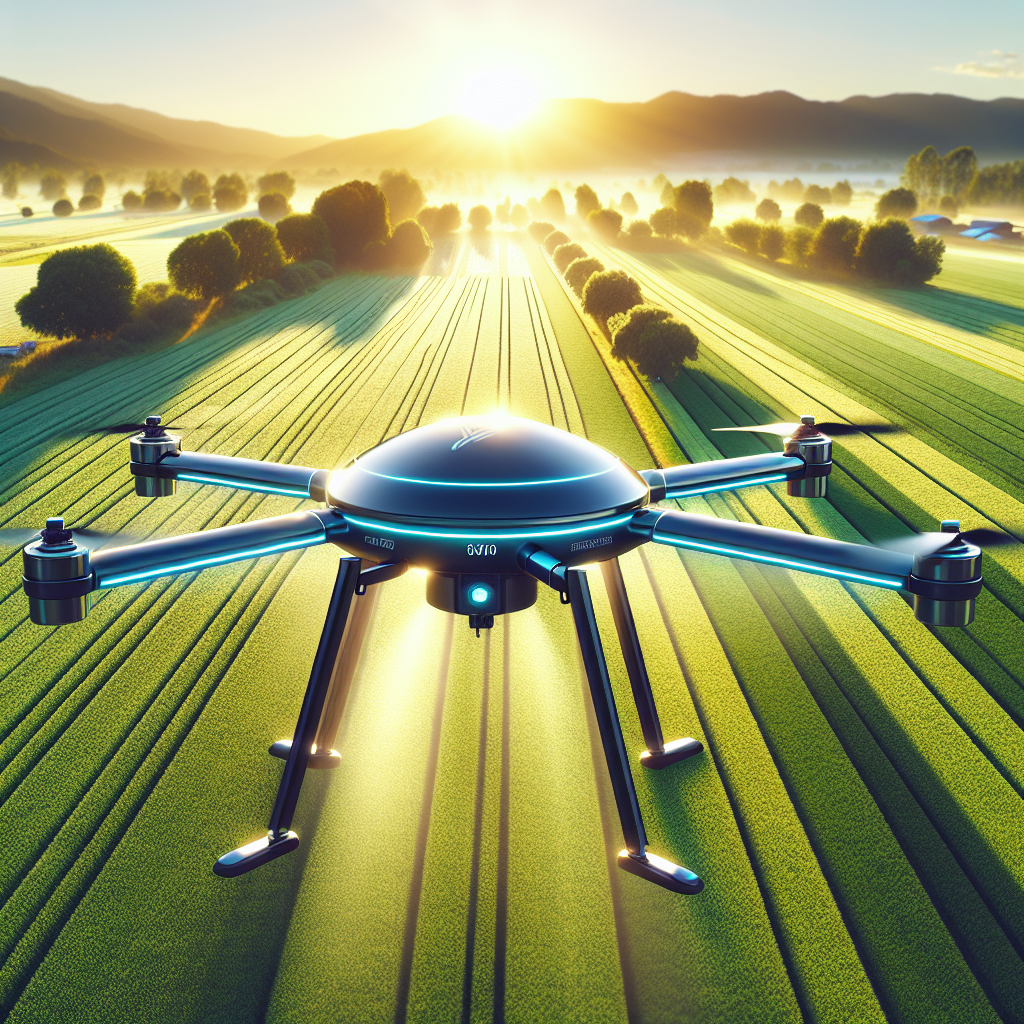
Context of Agricultural Drone Technology The integration of unmanned aircraft systems (UAS) in agriculture is gaining momentum, presenting innovative solutions to some of the sector’s most pressing challenges. The recent initiatives by Mississippi State University (MSU) through its Agricultural Autonomy Institute (AAI) exemplify this trend. By launching a comprehensive video series aimed at educating farmers about the operational and regulatory aspects of agricultural drones, the AAI is facilitating the adoption of this pioneering technology. These systems, particularly those equipped with spray capabilities, promise to enhance efficiency in agricultural production, a necessity in an industry increasingly challenged by labor shortages and rising operational costs. The rapid acceleration of UAS adoption in agricultural contexts can be attributed to the establishment of clear regulatory frameworks which have permitted their commercial use. While initial investments in technology may appear daunting, the long-term benefits—including significant reductions in labor, time, and costs associated with tasks like aerial cover crop seeding, fertilizer distribution, and pesticide application—underscore the value proposition of this innovation. Main Goal and Achievement Strategies The principal goal of the AAI’s video series is to enhance understanding and facilitate the safe, effective use of agricultural drones among stakeholders. This aim is pursued by addressing common inquiries and providing comprehensive guidance through a 13-part instructional video series. By focusing on both foundational knowledge and troubleshooting, the AAI aims to empower users to navigate the complexities of drone technology effectively. To achieve this goal, the series is structured to incorporate short, digestible videos that cover high-demand topics, thereby catering to various levels of expertise among users. This educational approach not only demystifies drone technology but also promotes safe practices, which is critical given the evolving regulatory landscape surrounding UAS operations in agriculture. Advantages of Agricultural Drones 1. **Increased Efficiency**: Agricultural drones can perform tasks such as spraying and monitoring crops at a fraction of the time required by traditional methods. This efficiency translates to labor savings and increased productivity. 2. **Cost Savings**: While there is an upfront investment, the reduction in labor costs and the ability to cover larger areas quickly yield substantial financial benefits in the long run. 3. **Precision Agriculture**: Drones enable precise application of inputs, reducing waste and minimizing environmental impact. This precision is particularly beneficial for tasks such as pesticide application, where targeted delivery can enhance efficacy and safety. 4. **Real-time Data Collection**: Drones are equipped with advanced sensors that provide real-time data on crop health, soil conditions, and environmental factors, empowering farmers to make informed decisions. 5. **Educational Support**: Initiatives like the video series from AAI provide critical educational resources, bridging the knowledge gap for farmers and stakeholders unfamiliar with drone technology. While these advantages are compelling, it is essential to acknowledge some limitations. The initial investment in drone technology and the need for ongoing training to keep up with regulatory changes can pose challenges for adoption, particularly among smaller operations. Future Implications of AI in Agricultural Drones Looking ahead, advancements in artificial intelligence (AI) are poised to further revolutionize the agricultural drone sector. Enhanced AI algorithms will enable drones to perform more complex tasks, such as autonomous decision-making regarding crop treatment and monitoring. This capability could significantly reduce the need for human oversight, allowing farmers to focus on strategic decision-making rather than operational management. Moreover, the integration of AI with machine learning will facilitate the analysis of vast amounts of data collected by drones, enabling predictive analytics that can inform crop management practices. This evolution could lead to more sustainable agricultural practices, optimized resource management, and improved yield outcomes. In conclusion, the initiatives undertaken by the AAI highlight the potential of agricultural drones as transformative tools in modern farming. By fostering education and understanding of this technology, stakeholders can harness its benefits, leading to enhanced productivity and sustainability in the agricultural sector. The future, particularly with the integration of AI, promises even greater advancements, ensuring that agricultural innovation continues to evolve in response to the challenges of the industry. Disclaimer The content on this site is generated using AI technology that analyzes publicly available blog posts to extract and present key takeaways. We do not own, endorse, or claim intellectual property rights to the original blog content. Full credit is given to original authors and sources where applicable. Our summaries are intended solely for informational and educational purposes, offering AI-generated insights in a condensed format. They are not meant to substitute or replicate the full context of the original material. If you are a content owner and wish to request changes or removal, please contact us directly. Source link : Click Here

Context and Overview The transformation of the Chinese agrochemical sector, particularly with the recent revisions to pesticide export regulations, represents a pivotal shift within the global agriculture landscape. The Department of Crop Production Management under China’s Ministry of Agriculture and Rural Affairs has initiated new policies aimed at enhancing China’s competitiveness in the agrochemical market. These changes are not merely regulatory; they signal a broader shift towards innovation and global integration within the agricultural technology (AgriTech) and smart farming sectors. The implications of these developments extend beyond China, potentially reshaping agricultural practices and supply chains worldwide. Main Goals and Achievements The primary goal of China’s new pesticide policy is to facilitate the registration of pesticides intended solely for export, thus fostering innovation and enhancing global competitiveness among Chinese agrochemical firms. This is achieved through significant regulatory adjustments, including the introduction of export-only registrations, relaxed formulation restrictions, reduced toxicology data requirements, and expedited review processes. These advancements aim to streamline the entry of new products into international markets, enabling Chinese enterprises to leverage their existing reserves of active ingredients and formulation technologies effectively. By creating a more conducive environment for innovation, the policy encourages domestic companies to develop products that meet global standards and consumer demands. Advantages of the New Pesticide Policy Enhanced Global Competitiveness: The revised regulations allow for the registration of active ingredients not previously registered in China, enabling firms to introduce innovative products to international markets more quickly. Increased Export Volumes: Data from ICAMA indicates a robust increase in pesticide exports, with a 17.5% rise in volume and a 14% increase in export value in early 2025, showcasing the positive impact of the new regulations on trade. Boost to Innovation: By reducing bureaucratic hurdles related to toxicological data and registration timelines, companies are incentivized to invest in research and development, fostering a culture of innovation within the Chinese agrochemical sector. Market Responsiveness: The relaxed formulation ratios cater to diverse international market demands, allowing Chinese firms to produce customized solutions for various agricultural challenges faced globally. Caveats and Limitations While the new pesticide regulations present numerous advantages, several caveats must be acknowledged. First, there is a risk of insufficient market understanding among Chinese firms, particularly regarding pricing and channel management, which could hinder their competitiveness in sophisticated international markets. Additionally, the regulatory changes may not immediately translate to operational effectiveness, as companies must adapt their business models to align with the new export-driven strategies. Lastly, there remains a challenge in establishing mutual recognition of data between Chinese and OECD standards, which could impact the global acceptance of Chinese products. Future Implications and AI Developments As the agricultural landscape continues to evolve, the integration of artificial intelligence (AI) within AgriTech holds significant promise for the future. AI can enhance precision agriculture practices, optimize supply chains, and improve decision-making processes for farmers and agrochemical firms alike. With AI-driven insights, companies can better predict market trends, manage resources efficiently, and develop targeted marketing strategies that resonate with international audiences. Furthermore, AI can facilitate innovation by streamlining R&D processes, thereby accelerating the development of new agricultural solutions tailored to specific environmental and economic contexts. Conclusion The ongoing transformation of China’s pesticide policy is a harbinger of significant changes within the global agricultural sector. By fostering innovation and enhancing competitiveness, these regulatory reforms present a unique opportunity for AgriTech innovators to navigate and leverage the evolving landscape. As the industry adapts to these changes, the integration of AI technologies will further propel growth, ensuring that Chinese agrochemical companies can effectively compete on the global stage. Disclaimer The content on this site is generated using AI technology that analyzes publicly available blog posts to extract and present key takeaways. We do not own, endorse, or claim intellectual property rights to the original blog content. Full credit is given to original authors and sources where applicable. Our summaries are intended solely for informational and educational purposes, offering AI-generated insights in a condensed format. They are not meant to substitute or replicate the full context of the original material. If you are a content owner and wish to request changes or removal, please contact us directly. Source link : Click Here

Introduction Squash, a versatile and nutritious fruit, has been cultivated for over 8,000 years, tracing its origins back to the indigenous peoples of the Americas. This long history of cultivation has led to the emergence of numerous squash varieties, each with unique traits and growing conditions. As the demand for local and sustainable agriculture rises, understanding which squash varieties to cultivate can play a pivotal role in modern agriculture, particularly within the AgriTech and Smart Farming sectors. This post aims to explore the advantages of selecting the right squash varieties while considering the implications of technological advancements in agriculture. Main Goal and Its Achievement The primary goal of selecting specific squash varieties is to optimize yield and meet market demands while adapting to local climate conditions. By strategically choosing squash cultivars that are easy to grow and align with consumer preferences, agricultural innovators can maximize productivity and sustainability. This can be achieved through careful planning, taking into account factors such as growth duration, plant size, and pest resistance. Utilizing local agricultural data and resources can further enhance decision-making in variety selection. Advantages of Selecting Optimal Squash Varieties Diverse Cultivation Options: An array of squash varieties, such as summer squash and winter squash, allows farmers to diversify their crops. This diversification can mitigate risks associated with market fluctuations and environmental challenges. Enhanced Market Demand: By selecting varieties that cater to consumer preferences, such as the tender flavor profiles of ‘Black Beauty’ or ‘Waltham Butternut’, growers can increase their market appeal and profitability. Improved Resilience: Certain squash varieties are better suited for specific climates and resist pests and diseases. For example, ‘Crookneck Early Golden’ has demonstrated resilience in poorer soil conditions, making it an excellent choice for various agricultural settings. Quick Maturation Rates: Many squash varieties exhibit rapid growth cycles, allowing for multiple harvests within a single growing season. Varieties like ‘Angel Hair’ can be harvested in as little as 88 days, promoting faster returns on investment. Environmental Sustainability: Growing squash native to specific regions can enhance soil health and biodiversity, contributing positively to local ecosystems. Additionally, squash plants can be integrated into crop rotation systems to maximize land efficiency. Caveats and Limitations While the selection of optimal squash varieties presents numerous advantages, there are limitations to consider. Factors such as climate variability, soil health, and pest pressures can influence the success of specific cultivars. Furthermore, reliance on a limited number of varieties may lead to decreased genetic diversity, increasing vulnerability to diseases and pests. Thus, continuous research and adaptive management strategies are essential to navigate these challenges. Future Implications of AI Developments The integration of artificial intelligence (AI) in agriculture is poised to revolutionize the selection and cultivation of squash varieties. AI technologies can analyze vast datasets, providing insights into soil conditions, weather patterns, and market trends. By leveraging machine learning algorithms, farmers can receive personalized recommendations for the most suitable squash varieties based on specific environmental and market conditions. Furthermore, AI can enhance pest and disease management strategies, ensuring sustainable cultivation practices. As AI continues to evolve, its application in predictive analytics could enable growers to anticipate consumer preferences, thus aligning production with market demands more effectively. This proactive approach can lead to enhanced profitability and sustainability within the AgriTech sector, ultimately transforming how squash and other crops are cultivated. Conclusion The strategic selection of squash varieties is integral to optimizing agricultural practices and meeting consumer demands. Through careful planning and consideration of local conditions, growers can leverage the benefits of diverse cultivars while addressing potential challenges. As advancements in technology, particularly AI, reshape the agricultural landscape, the future holds promising opportunities for AgriTech innovators to enhance productivity, sustainability, and profitability in squash cultivation. Disclaimer The content on this site is generated using AI technology that analyzes publicly available blog posts to extract and present key takeaways. We do not own, endorse, or claim intellectual property rights to the original blog content. Full credit is given to original authors and sources where applicable. Our summaries are intended solely for informational and educational purposes, offering AI-generated insights in a condensed format. They are not meant to substitute or replicate the full context of the original material. If you are a content owner and wish to request changes or removal, please contact us directly. Source link : Click Here

Contextual Overview of Robotic Innovations in Food Service The recent funding acquisition by Appetronix, a Toronto-based startup, highlights the growing interest in robotic kitchens within the food service sector. The company successfully raised $6 million in a seed plus round, bringing its total funding to $10 million. This financial boost is spearheaded by notable investors, including Jim Grote, founder of Donatos Pizza, and AlleyCorp. Founded in 2020, Appetronix has already made significant strides by launching an automated pizza kitchen at Columbus International Airport in collaboration with Donatos, which operates over 460 locations across the United States. This infusion of capital will facilitate the expansion of Appetronix’s partnerships and the development of additional robotic kitchen concepts that can produce a variety of cuisines, including Asian noodle bowls and Mexican burrito bowls, in high-demand environments such as airports and hospitals. Significance of Robotic Kitchens in Food Service The food service industry is increasingly recognized as ripe for innovation, particularly in the realm of automation. Nipun Sharma, the founder of Appetronix, emphasizes the challenges faced by previous attempts to automate kitchen operations, which often failed to deliver meaningful cost reductions. This observation is particularly pertinent as the labor market has become increasingly strained, with rising costs and shortages exacerbated by the COVID-19 pandemic. Sharma argues that previous robotic solutions largely mimicked human movements without offering a viable financial model. Instead, he advocates for a paradigm shift where robotic kitchens are designed from the ground up to optimize food production, drawing more inspiration from manufacturing processes than traditional culinary practices. Main Goals and Achievement Strategies The primary goal articulated by Appetronix is to revolutionize food service through automation, thereby addressing labor shortages and enhancing operational efficiency. To achieve this, the company focuses on creating standalone robotic kitchens that do not aim to replace human labor but instead seek to enhance the efficiency of food preparation. By partnering with established food brands, Appetronix leverages existing consumer trust, ensuring that customers remain inclined to purchase food from recognizable brands rather than anonymous robotic kitchens. Advantages of Robotic Kitchens Cost Efficiency: Robotic kitchens have the potential to significantly reduce labor costs over time by automating repetitive tasks, thereby allowing human workers to focus on higher-value activities. Consistency in Food Quality: Automation ensures that food preparation adheres to predetermined standards, resulting in consistent taste and presentation. Scalability: The business model employed by Appetronix, which includes revenue sharing with partners, allows for rapid scaling of operations without the burden of heavy capital expenditures for equipment. Operational Flexibility: Robotic kitchens can be deployed in varied high-traffic locations, effectively meeting consumer demand at times and places where traditional food service may be unfeasible. Enhanced Inventory Management: The integration of AI and automation facilitates real-time monitoring of inventory levels, reducing waste and ensuring that popular menu items are consistently available. Limitations and Considerations Despite the promise of robotic kitchens, several limitations must be acknowledged. The initial investment required for advanced robotic systems can be substantial, and the technology is still in its infancy, which may result in unforeseen operational challenges. Additionally, consumer acceptance of automated food preparation is still evolving, and maintaining the human touch in customer service remains a critical factor for many brands. Future Implications of AI in Food Service Automation As advancements in artificial intelligence continue to progress, the impact on the food service industry is expected to be transformative. AI technologies will not only enhance the operational capabilities of robotic kitchens but also enable data-driven decision-making that can optimize menu offerings based on consumer preferences and trends. Moreover, as robotic systems become increasingly sophisticated, they will likely incorporate machine learning algorithms to continuously improve food preparation processes and inventory management. The future of food service automation promises to increase efficiency, reduce costs, and ultimately reshape how consumers experience dining, particularly in quick-service environments where convenience and speed are paramount. Disclaimer The content on this site is generated using AI technology that analyzes publicly available blog posts to extract and present key takeaways. We do not own, endorse, or claim intellectual property rights to the original blog content. Full credit is given to original authors and sources where applicable. Our summaries are intended solely for informational and educational purposes, offering AI-generated insights in a condensed format. They are not meant to substitute or replicate the full context of the original material. If you are a content owner and wish to request changes or removal, please contact us directly. Source link : Click Here

Contextual Framework of AgriTech Adoption The landscape of agricultural technology (AgriTech) is currently undergoing significant transformation, driven by both market dynamics and technological advancements. Recent discussions, particularly highlighted during the 2025 Tech Hub LIVE event in Des Moines, IA, reveal a cautious but optimistic outlook among industry stakeholders. The conversation led by Ben Sheldon, Technology Sales Manager at Raven Industries, underscores the necessity for growers to invest in technologies that prioritize profitability in the face of uncertain economic conditions. The shift from high-cost, new machinery to retrofit-friendly solutions exemplifies a strategic pivot towards enhancing existing agricultural infrastructures. Main Goal: Enhancing Profitability through Strategic Tech Adoption The primary objective articulated by Sheldon revolves around the return on investment (ROI) in agricultural technology. This goal can be achieved by providing growers with technologies that integrate seamlessly with their current equipment, thereby reducing the capital outlay required for new machinery. The emphasis on retrofit solutions allows farmers to optimize their existing resources while maintaining profitability amidst fluctuating commodity prices and tightening margins. Advantages of Retrofit-Friendly Solutions Cost Efficiency: Retrofit solutions enable growers to enhance their operational capabilities without the burdensome costs associated with purchasing new equipment. This financial accessibility is crucial in an era of constrained credit and volatile market conditions. Incremental Implementation: The ability to integrate new technologies gradually allows farmers to assess the impact on productivity and ROI without committing to large-scale investments upfront. Flexibility and Adaptability: As market conditions shift, retrofit solutions provide growers with the flexibility to adapt their technology stack according to their immediate needs and financial situations. Focus on Profitability: By prioritizing technologies that enhance profit margins, the agricultural sector can better navigate the uncertainties associated with global commodity markets. Considerations and Limitations While the advantages of retrofit-friendly solutions are substantial, it is essential to recognize potential limitations. The effectiveness of such technologies can vary based on existing equipment compatibility, and there may be a lag in the adoption of cutting-edge innovations that require more significant investments. Additionally, growers must remain vigilant about the evolving regulatory environment, which can impact the feasibility and implementation of new technologies. Future Implications: The Role of AI in AgriTech The future of AgriTech is poised for significant evolution, particularly with advancements in artificial intelligence (AI). AI technologies have the potential to revolutionize agricultural practices by enabling predictive analytics, optimizing resource allocation, and improving decision-making processes. As growers increasingly adopt AI-driven solutions, the focus will likely shift towards achieving not only operational efficiency but also sustainable practices that enhance environmental stewardship. Moreover, the integration of AI in retrofitting existing technologies can lead to enhanced data collection and analysis capabilities, providing growers with actionable insights to further improve their ROI. As the industry continues to embrace these innovations, the dialogue surrounding AgriTech will need to evolve, emphasizing the symbiotic relationship between technology adoption and profitability in uncertain times. Disclaimer The content on this site is generated using AI technology that analyzes publicly available blog posts to extract and present key takeaways. We do not own, endorse, or claim intellectual property rights to the original blog content. Full credit is given to original authors and sources where applicable. Our summaries are intended solely for informational and educational purposes, offering AI-generated insights in a condensed format. They are not meant to substitute or replicate the full context of the original material. If you are a content owner and wish to request changes or removal, please contact us directly. Source link : Click Here

Contextual Overview of Brazil’s Bioinputs Market Transformation The landscape of mergers and acquisitions (M&A) within Brazil’s agribusiness sector has evolved significantly, particularly regarding biological inputs. Historically characterized by rapid growth and opportunistic strategies, the market is now transitioning toward a phase defined by selectivity, financial prudence, and well-articulated value propositions. This transformation is largely driven by Brazil’s extensive agricultural capacity and the immediate need for modernization within the input supply chain, making it an attractive destination for investors. According to Ignacio Moyano, Vice President of Market Development for Latin America at DunhamTrimmer, contemporary investors prioritize governance, robust financial health, and distinct competitive advantages over mere scale or publicity. The emphasis on biotechnology and bioinputs is particularly noteworthy, as these areas merge innovation with scalability, aligning seamlessly with sustainability priorities that are increasingly influential in investment decisions. Transparency as a Catalyst for Value Creation In the context of M&A, the pathway from non-disclosure agreement (NDA) to due diligence and closure is well established; however, the speed and efficiency of these processes hinge on thorough preparation. Moyano asserts that clarity in financial metrics, structured governance, and well-documented procedures can facilitate deal closures within a year. In contrast, inadequate record-keeping and fragmented information can significantly impede progress. Thus, transparency emerges not just as a compliance necessity but as a critical factor in enhancing valuation. Recent trends reveal a dual dynamic in the sector: consolidation among major distributors—often multinational firms aiming for extensive market reach—and heightened specialization through collaborations with startups focused on innovations in biofertilizers, biocontrol, and digital agriculture. Noteworthy instances, such as Corteva’s investment in Puna Bio, exemplify the “innovation premium” that is influencing market direction. For larger corporations, engaging in M&A provides a strategic avenue to technological advancement and market penetration, circumventing the inherent risks and delays associated with in-house development. Conversely, for smaller innovators, M&A offers a crucial pathway to transition from laboratory innovations to practical applications in the field. Moyano elaborates that M&A facilitates the movement of innovations from research environments to agricultural settings, ensuring logistical, compliance, and distribution scales that individual startups might struggle to achieve. Future Trends in M&A Transactions Looking ahead, Moyano anticipates a more disciplined approach to transactions, emphasizing that investors are increasingly inclined toward resilient, established companies rather than volatile entities. Additionally, the prevalence of partnerships and joint ventures is expected to strengthen, fostering risk-sharing mechanisms and expediting product adoption. Global Dynamics: Insights from DunhamTrimmer Rick Melnick, COO & Managing Partner at DunhamTrimmer, notes that the transformation occurring within Brazil’s bioinputs sector is indicative of broader global shifts. While markets in Europe and North America exhibit high maturity levels with decelerating growth rates, Latin America, and particularly Brazil, remains one of the fastest-growing regions. The unique challenges presented by Brazil’s diverse agricultural landscape, including distinctive soil types, pest pressures, and government policies, create both opportunities and complexities for market participants. Melnick emphasizes the necessity for local expertise in navigating these challenges, stating that success in Brazil often necessitates a profound understanding of the regulatory landscape and established networks. He highlights DunhamTrimmer’s strategic focus on two key areas: go-to-market strategy and due diligence, positioning the firm as a primary resource for investment groups evaluating M&A prospects within the biological sector. Strategic Importance of ABIM 2025 Among the critical milestones for DunhamTrimmer is the upcoming ABIM 2025 (Annual Biocontrol Industry Meeting), which serves as a premier networking venue for the biological crop protection industry. This event not only facilitates vital business development interactions but also reinforces existing relationships within the industry. Melnick, a long-time attendee, underscores the significance of ABIM as a platform for showcasing innovation and connecting with international stakeholders. At ABIM 2025, DunhamTrimmer plans to highlight its expertise in due diligence and its strengthened foothold in Latin America, illustrating how the firm bridges global innovation with local knowledge. Melnick notes that initial conversations at this forum often lay the groundwork for pivotal projects in the biological crop protection sector in subsequent years. Implications for the Future: AI and Technological Integration The acceleration of consolidation within the agricultural inputs market, coupled with the imperative for sustainable practices, suggests a transformative future for Brazil’s bioinputs industry. M&A will increasingly serve not just as a financial mechanism but as a vital force for innovation, enabling the swift delivery of new solutions to farmers at scale. Looking forward, advancements in artificial intelligence will likely play a pivotal role in shaping this landscape. AI technologies can enhance decision-making processes through predictive analytics, optimize supply chain logistics, and facilitate more efficient regulatory compliance. As the integration of AI into the agricultural sector deepens, AgriTech innovators will be well-positioned to leverage these tools, thereby enhancing their competitive advantages and fostering sustainable growth. Conclusion In summary, the ongoing evolution of M&A in Brazil’s bioinputs market is indicative of a larger trend toward strategic, sustainable growth in the agricultural sector. With a focus on transparency, governance, and innovation, stakeholders can navigate the complexities of the market effectively, positioning themselves for future success. As AI technologies continue to emerge, they will further empower AgriTech innovators to drive meaningful change in agricultural practices, ensuring resilience and sustainability in the face of evolving global demands. Disclaimer The content on this site is generated using AI technology that analyzes publicly available blog posts to extract and present key takeaways. We do not own, endorse, or claim intellectual property rights to the original blog content. Full credit is given to original authors and sources where applicable. Our summaries are intended solely for informational and educational purposes, offering AI-generated insights in a condensed format. They are not meant to substitute or replicate the full context of the original material. If you are a content owner and wish to request changes or removal, please contact us directly. Source link : Click Here


