
Context of Soil Health for AgriTech Innovations Soil health is a pivotal factor in agricultural productivity and sustainability, particularly as farmers prepare for the growing season. The strategies employed during the pre-planting phase, such as soil amendments and crop management practices, directly influence the yield and resilience of crops. Recognizing the impending last frost date and taking proactive measures ensures that soil is primed for optimal growth. In the context of AgriTech and Smart Farming, these practices are enriched by technology, enabling enhanced monitoring and management of soil conditions, ultimately leading to sustainable agricultural practices that can support long-term food security. Main Goal and Achievements The primary goal articulated in the original content is to revitalize soil health before the growing season, thereby enhancing crop yields and sustainability. This can be accomplished through a series of actionable steps, including the implementation of crop rotations, the introduction of cover crops, and the addition of organic matter. Each of these strategies plays a crucial role in restoring nutrient levels, combating soil fatigue, and improving microbial activity in the soil. Advantages of Soil Health Management Enhanced Nutrient Availability: Regularly incorporating organic matter improves soil structure and nutrient density, crucial for sustaining crop health. Reduced Soil Compaction: Practices such as light tilling or using a broadfork alleviate compaction, promoting better aeration and root penetration. Increased Biodiversity: Crop rotations disrupt pest cycles and enhance soil microbial diversity, which is essential for maintaining ecosystem balance. Mitigation of Soil Fatigue: Rotation and cover cropping prevent the depletion of specific nutrients, thus addressing soil fatigue that can lead to reduced yields. Adaptation to Climate Variability: Implementing diverse planting strategies helps in adapting to unpredictable weather patterns, ensuring resilience against climate change. However, it is essential to acknowledge potential limitations. For instance, while cover crops are beneficial, they require precise timing for planting and termination to avoid competition with cash crops. Moreover, the effectiveness of these strategies can vary based on local soil types and climatic conditions. Future Implications and AI Developments The integration of artificial intelligence (AI) into agriculture is set to revolutionize soil management practices. AI-powered tools can facilitate real-time soil monitoring, enabling farmers to make data-driven decisions regarding crop rotations and amendments. For instance, predictive analytics could identify optimal planting windows and suggest the most beneficial cover crops based on historical data and current weather patterns. Furthermore, machine learning algorithms may enhance understanding of soil health over time, allowing for more tailored approaches to soil management that consider both ecological and economic factors. As these technologies continue to evolve, the future of AgriTech will likely see a shift towards precision agriculture, where individual field variability is accounted for, leading to maximized efficiency and sustainability across farming operations. Disclaimer The content on this site is generated using AI technology that analyzes publicly available blog posts to extract and present key takeaways. We do not own, endorse, or claim intellectual property rights to the original blog content. Full credit is given to original authors and sources where applicable. Our summaries are intended solely for informational and educational purposes, offering AI-generated insights in a condensed format. They are not meant to substitute or replicate the full context of the original material. If you are a content owner and wish to request changes or removal, please contact us directly. Source link : Click Here

Contextual Overview of AgriTech Innovations in Shrimp Farming The emergence of advanced aquaculture techniques is becoming increasingly critical as global food security concerns intensify, particularly in the MENA (Middle East and North Africa) region. Atarraya, a pioneering entity in high-tech shrimp farming, is set to collaborate with a partner in the United Arab Emirates (UAE) to trial its innovative shrimp production system. This initiative not only aims to enhance local food security but also reflects a significant evolution in Atarraya’s business model towards an asset-light framework. By leveraging partnerships with master franchisors in strategic locations, Atarraya is positioning itself to potentially scale its operations efficiently while addressing the rising demand for sustainable seafood. Main Goal and Achievement Strategy The primary objective of Atarraya’s undertaking is to establish a sustainable and scalable shrimp farming model that meets local demand while minimizing environmental impact. The successful implementation of a pilot program in the UAE could serve as a blueprint for future expansions in similar arid regions. This goal can be achieved through rigorous testing of the technology in desert conditions, combined with a focus on forming strategic partnerships that align with local agricultural practices and market needs. Advantages of the New Business Model Asset-Light Approach: Atarraya’s shift towards an asset-light business model allows for reduced capital expenditures and operational risks. By partnering with local entities, the company can scale its operations without maintaining ownership of large facilities. Increased Profitability: The high-margin nature of shrimp farming, combined with low energy costs in the UAE, presents a lucrative opportunity for investors and stakeholders involved in the aquaculture sector. Co-Location Opportunities: The exploration of co-location with tomato growers capitalizes on shared environmental conditions, enhancing profitability through synergistic agricultural practices. The use of microbial biomass as organic fertilizer for tomato crops adds an additional revenue stream. Technological Advancements: The introduction of low-cost, flat-packed shrimp tanks significantly reduces capital costs and simplifies logistics, thereby making it easier for potential partners to adopt the technology. Proven Track Record: Atarraya has successfully de-risked its technology through extensive research, demonstrating stability in biological processes and productivity metrics, which provides assurance to potential investors and partners. Future Implications of AI in Aquaculture As the AgriTech sector continues to evolve, the integration of artificial intelligence (AI) stands to revolutionize aquaculture practices, including shrimp farming. AI technologies can enhance operational efficiency by optimizing feed management, monitoring environmental conditions, and predicting growth patterns with greater accuracy. By utilizing big data analytics, operators can make informed decisions that improve yield and sustainability. Furthermore, AI can facilitate the development of predictive models that account for climatic variations, thereby ensuring adaptability in diverse environmental contexts. Conclusion Atarraya’s innovative approach to shrimp farming exemplifies the potential of AgriTech advancements in addressing food security challenges in arid regions. By adopting a strategic, partnership-focused model and leveraging technological innovations, the company is well-positioned to capitalize on the growing demand for sustainable seafood. Future developments in AI and other technologies will likely further enhance the efficiency and sustainability of shrimp farming practices, paving the way for more resilient agricultural systems. Disclaimer The content on this site is generated using AI technology that analyzes publicly available blog posts to extract and present key takeaways. We do not own, endorse, or claim intellectual property rights to the original blog content. Full credit is given to original authors and sources where applicable. Our summaries are intended solely for informational and educational purposes, offering AI-generated insights in a condensed format. They are not meant to substitute or replicate the full context of the original material. If you are a content owner and wish to request changes or removal, please contact us directly. Source link : Click Here
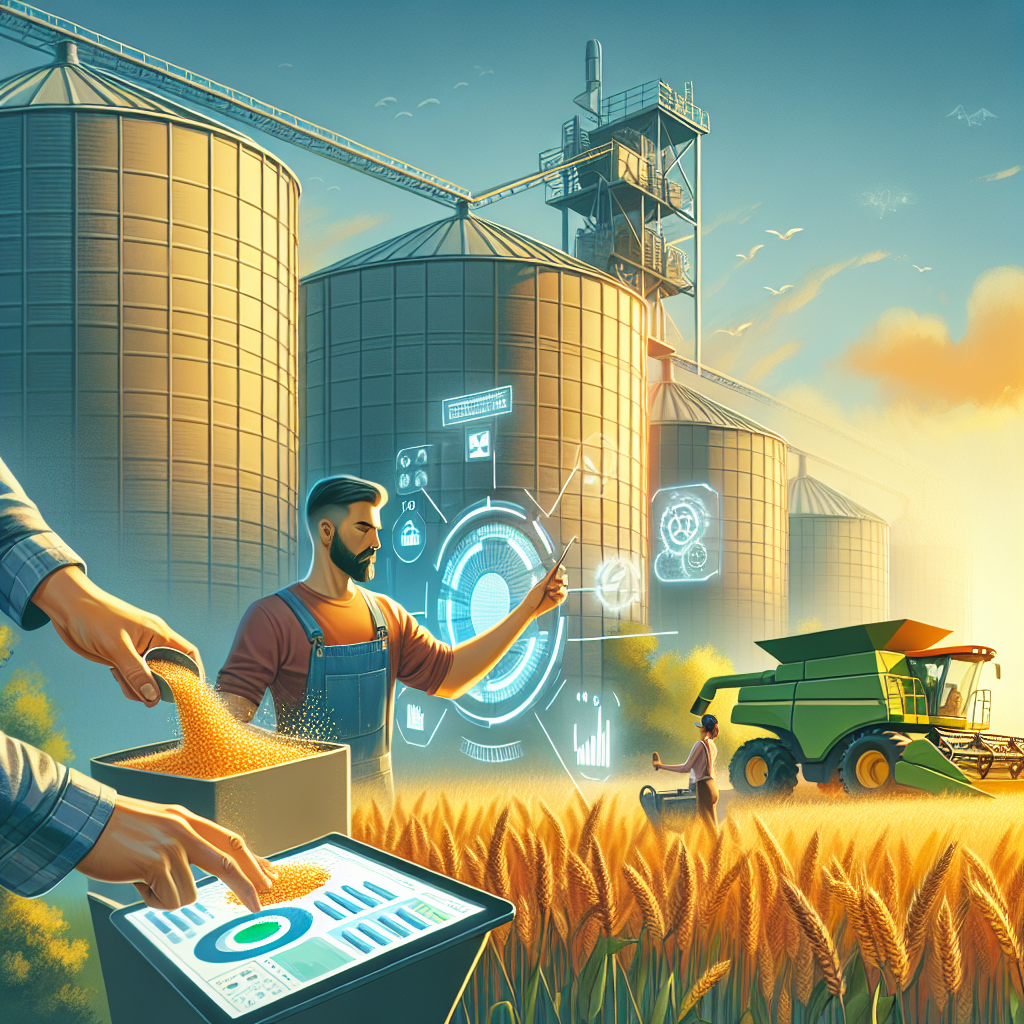
Context and Overview In the rapidly evolving landscape of agriculture, the integration of connected technologies has emerged as a pivotal factor in enhancing grain storage and drying processes. As discussed in the recent episode of Ag Tech Talk by AgriBusiness Global, Alan Lockwood, Senior Product Manager for Grain Conditioning at GSI, elucidates the transformative impact of tools such as GrainView and GSI Connect. These technologies facilitate real-time monitoring, early spoilage detection, and remote dryer management, enabling farmers, retailers, and cooperatives to safeguard grain quality, mitigate losses, and make informed operational decisions that extend beyond harvest periods. Main Goals of Connected Technologies in Grain Management The primary objective of implementing connected technologies in grain management is to enhance efficiency and reduce spoilage. Achieving this goal entails adopting real-time monitoring systems that provide actionable insights into grain conditions, thereby allowing users to respond proactively to potential issues. As grain storage capacities increase, the necessity for sophisticated monitoring solutions becomes more pronounced. The integration of these technologies not only aids in preserving grain quality but also optimizes operational workflows during labor-intensive harvests, ultimately leading to improved profitability for stakeholders in the AgriTech sector. Advantages of Connected Grain Technologies Real-Time Monitoring: By leveraging connected technologies, stakeholders can monitor grain conditions continuously, enabling early detection of spoilage and timely interventions. Operational Efficiency: Remote management capabilities streamline operations, particularly during peak harvest periods when labor resources may be constrained. Informed Decision-Making: Data-driven insights equip farmers and retailers with the knowledge needed to make strategic decisions, reducing waste and enhancing profitability. Preservation of Grain Quality: Advanced monitoring systems help maintain optimal storage conditions, thereby minimizing losses associated with spoilage. Cost Justification: While initial investment costs may pose a challenge, the long-term savings from reduced spoilage and enhanced operational efficiencies can justify the expense. Considerations and Limitations Despite the myriad advantages, several caveats warrant consideration. The initial capital investment required for advanced monitoring systems can deter some operators, especially those who have not experienced significant spoilage events. Additionally, transitioning from traditional grain management practices to modern technologies may encounter resistance due to established habits and a lack of familiarity with digital tools. Future Implications and AI Developments Looking ahead, the role of artificial intelligence (AI) in AgriTech is poised to revolutionize grain management further. AI-driven predictive analytics will enhance the capabilities of monitoring systems, allowing for even more precise forecasting of potential spoilage events. Moreover, as machine learning algorithms become increasingly sophisticated, they will enable systems to adapt and optimize grain storage conditions autonomously, thereby minimizing human intervention and maximizing operational efficiency. This convergence of AI and connected technologies will likely redefine best practices in grain management, offering significant advantages to AgriTech innovators and stakeholders. Disclaimer The content on this site is generated using AI technology that analyzes publicly available blog posts to extract and present key takeaways. We do not own, endorse, or claim intellectual property rights to the original blog content. Full credit is given to original authors and sources where applicable. Our summaries are intended solely for informational and educational purposes, offering AI-generated insights in a condensed format. They are not meant to substitute or replicate the full context of the original material. If you are a content owner and wish to request changes or removal, please contact us directly. Source link : Click Here
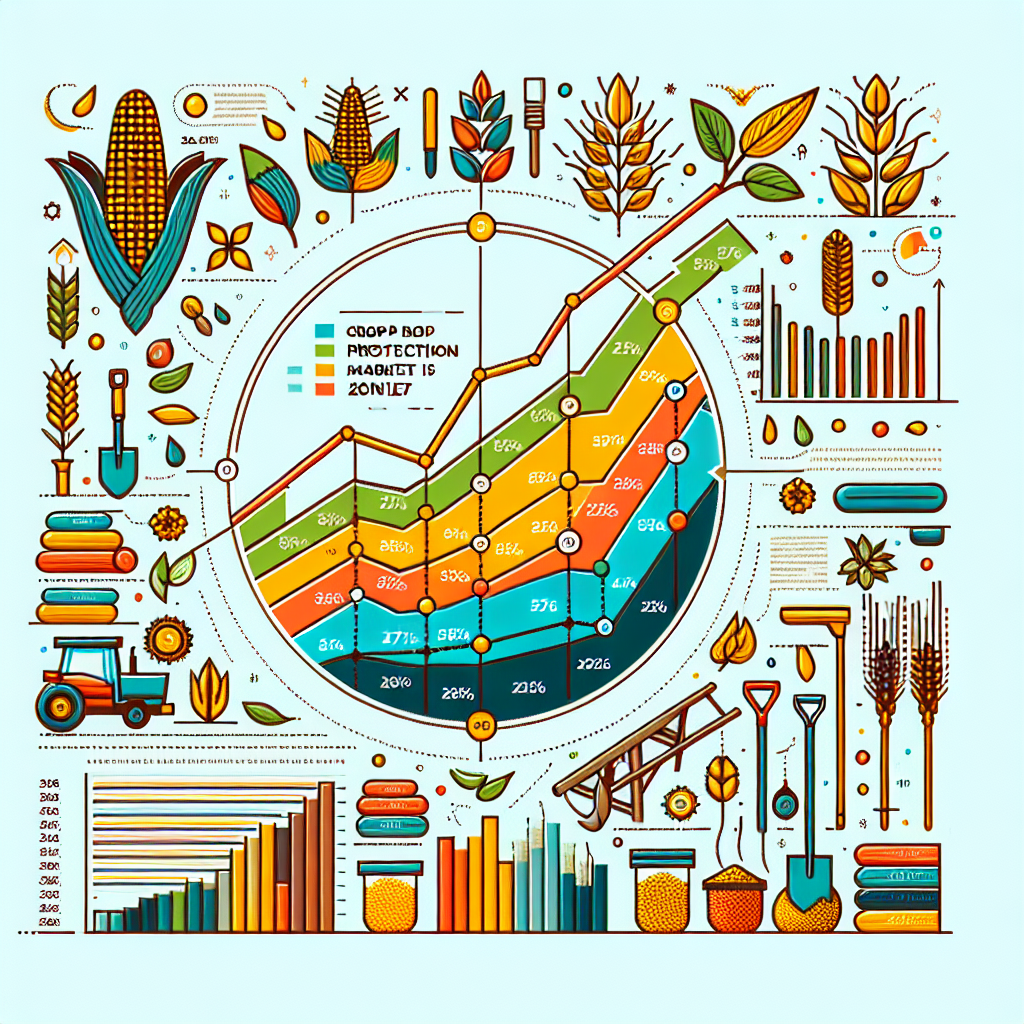
Introduction The global crop protection market is undergoing significant transformations, with projections indicating notable changes by 2026. This analysis draws upon recent estimates and trends within the agricultural sector, particularly focusing on the anticipated developments in the crop protection market. Key regions such as North America, Central and South America, Asia Pacific, Europe, and the Middle East and Africa will be examined to understand their individual contributions to the market dynamics. Furthermore, the implications of these trends for AgriTech innovators and the role of artificial intelligence (AI) in shaping future practices will be discussed. Context and Goals The primary goal of the original analysis is to provide insights into the expected growth and challenges of the crop protection market, highlighting the economic conditions that influence agricultural practices. This can be achieved by assessing the key factors affecting crop production, such as weather patterns, input costs, and regulatory changes. Understanding these dynamics is crucial for AgriTech innovators seeking to develop effective solutions that enhance crop yield and sustainability, ultimately driving productivity in the agricultural sector. Advantages of Market Development Increased Crop Areas: Regions like North America and Brazil are witnessing expansions in key crop areas, which indicates a growing demand for crop protection solutions. For instance, U.S. maize area is projected to increase by 9%, promoting the need for effective pest management strategies. Stabilization of Agrochemical Prices: A forecasted stabilization in agrochemical pricing across various regions is expected to positively impact the market. Increased production capabilities in countries like China can lead to competitive pricing, benefiting AgriTech companies by reducing costs for growers. Technological Advancements: The introduction of new active ingredients and advanced agrochemical products provides growers with innovative tools to combat pest pressures. Enhanced formulations and modes of action can ultimately improve the efficacy of crop protection measures. Weather Resilience: Improved weather conditions in major agricultural regions can enhance crop yields, thereby increasing the demand for crop protection products. Favorable monsoon conditions in India, for instance, are expected to boost agricultural productivity. Caveats and Limitations Despite the optimistic projections, several limitations must be acknowledged. Rising input costs, particularly in fertilizers, pose a significant challenge, with a projected increase of over 5% in 2026. This may restrict growers’ spending on crop protection chemicals, potentially leading to decreased effectiveness in pest management. Additionally, ongoing regulatory pressures in regions like Europe may limit the availability and application of certain active ingredients, which could hamper growth potential. Future Implications and AI Developments Looking ahead, the integration of AI technologies in crop protection practices promises to revolutionize the agricultural landscape. AI can enhance decision-making processes through data-driven insights, enabling farmers to optimize their crop management strategies. For example, predictive analytics can help in forecasting pest outbreaks, allowing for timely interventions that could mitigate crop damage. Furthermore, AI-driven solutions can streamline supply chain operations, reducing costs and improving accessibility to crop protection products. As the crop protection market evolves, the role of AI will likely expand, providing AgriTech innovators with the tools to develop sophisticated solutions that address the complex challenges faced by growers. The synergy between advanced technologies and sustainable agricultural practices will be crucial in ensuring food security and environmental stewardship going forward. Conclusion In summary, the anticipated developments in the global crop protection market by 2026 present both opportunities and challenges for AgriTech innovators. By understanding the key factors that influence market dynamics, stakeholders can better navigate the evolving landscape and leverage technological advancements to drive growth. As AI continues to shape agricultural practices, the potential for increased efficiency and sustainability in crop protection will be paramount, paving the way for a more resilient agricultural future. Disclaimer The content on this site is generated using AI technology that analyzes publicly available blog posts to extract and present key takeaways. We do not own, endorse, or claim intellectual property rights to the original blog content. Full credit is given to original authors and sources where applicable. Our summaries are intended solely for informational and educational purposes, offering AI-generated insights in a condensed format. They are not meant to substitute or replicate the full context of the original material. If you are a content owner and wish to request changes or removal, please contact us directly. Source link : Click Here
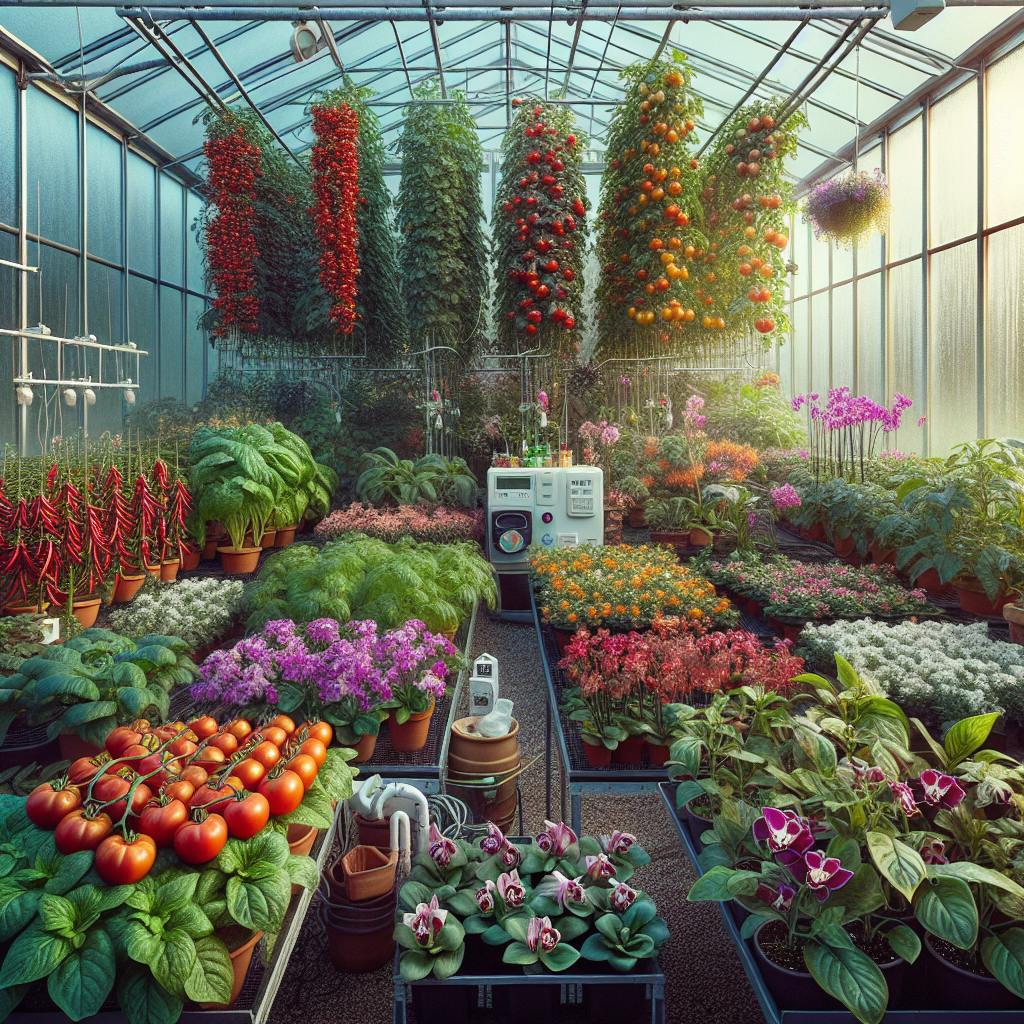
Contextualizing Greenhouse Utilization in February In February, agricultural activities in many regions are significantly subdued due to winter’s harsh conditions, with snow blanketing the ground and temperatures often dipping below freezing. During this dormant phase, agricultural producers face challenges in maintaining productivity, as most outdoor crops are inactive. However, the greenhouse environment presents an opportunity for continued agricultural activity, allowing for the cultivation of late spring transplants and fast-maturing crops that cater to early market demands. The effectiveness of greenhouse production is contingent upon the specific climatic conditions of the region and the type of greenhouse infrastructure employed. Farmers can optimize their operations by utilizing various greenhouse types, irrespective of their technological sophistication. Main Goal and Its Achievement The primary objective presented in the original post is to maximize agricultural productivity in February by leveraging greenhouse technology. This can be achieved by initiating the growth of crops that benefit from a controlled environment, such as tomatoes and peppers, which require consistent warmth and moisture. To facilitate this, farmers must ensure that their greenhouses are adequately equipped to maintain optimal temperature and humidity levels, enhancing germination and growth rates. The strategic planning of crop selection, coupled with timely execution, can significantly boost yield potential during the otherwise dormant winter months. Advantages and Evidence-Based Assertions Extended Growing Season: Greenhouses allow for the cultivation of crops outside of their natural growing seasons, effectively extending the agricultural calendar. This is particularly advantageous in regions with harsh winters. Controlled Environment: The enclosure of a greenhouse provides a stable climate, reducing exposure to extreme weather conditions. This control aids in minimizing plant stress, which can lead to higher yields. Pest and Disease Management: A greenhouse setting can mitigate pest intrusion and disease spread, particularly during the winter months, offering a protective barrier against common agricultural threats. Resource Efficiency: Greenhouses can optimize resource usage, including water and nutrients, through advanced irrigation and climate control systems that minimize waste. It is crucial to note, however, that not all greenhouse types offer the same benefits. For instance, simpler structures may lack the necessary ventilation and climate control features that more sophisticated greenhouses possess, which can limit their effectiveness in maintaining optimal growing conditions. Future Implications of AI in Greenhouse Management Looking ahead, advancements in artificial intelligence (AI) are poised to revolutionize greenhouse management practices. AI technologies can enhance data collection and analysis, allowing for more precise monitoring of environmental conditions such as temperature, humidity, and soil moisture. Smart sensors and IoT devices can facilitate real-time adjustments to greenhouse conditions, optimizing plant growth and resource utilization. Furthermore, predictive analytics can assist farmers in making informed decisions regarding crop selection and management strategies, ultimately improving productivity and sustainability in the agricultural sector. Disclaimer The content on this site is generated using AI technology that analyzes publicly available blog posts to extract and present key takeaways. We do not own, endorse, or claim intellectual property rights to the original blog content. Full credit is given to original authors and sources where applicable. Our summaries are intended solely for informational and educational purposes, offering AI-generated insights in a condensed format. They are not meant to substitute or replicate the full context of the original material. If you are a content owner and wish to request changes or removal, please contact us directly. Source link : Click Here

Contextual Overview of Recent Developments in AgriTech The agricultural technology (AgriTech) sector is undergoing a transformative phase, characterized by significant advancements and investment opportunities. The recent launch of Yield Energy’s farm-based grid flexibility platform and the establishment of a $500 million farmland fund by Lucerne Capital represent pivotal movements within this arena. These developments align with a broader trend in which innovative financing and technology integration are reshaping the agricultural landscape. Such initiatives not only enhance operational efficiencies but also contribute to sustainability and resilience in farming practices. Main Goal and Achievement Strategies The primary objective of the aforementioned initiatives is to facilitate the integration of renewable energy solutions into agricultural operations, thereby enhancing energy independence and sustainability for farmers. This can be achieved through several strategies: 1. **Investment in Innovative Technologies**: By backing platforms that enable farmers to monetize their renewable energy sources, stakeholders can promote a transition towards a more sustainable energy model. 2. **Facilitating Access to Capital**: The establishment of dedicated funds, such as the $500 million farmland fund, allows for the financing of projects that integrate advanced technologies and sustainable practices, ultimately leading to higher yields and improved resource management. 3. **Encouraging Collaborative Partnerships**: Forming strategic alliances between AgriTech companies and traditional agricultural stakeholders can accelerate the adoption of innovative practices and technologies. Advantages of Recent AgriTech Initiatives The recent developments in the AgriTech sector present multiple advantages that can significantly benefit AgriTech innovators: 1. **Enhanced Sustainability**: The farm-based grid platform promotes the use of renewable energy, reducing carbon footprints and contributing to environmental sustainability. 2. **Economic Viability**: Investments in AgriTech not only support farmers financially but also enhance the overall economic viability of agricultural practices through improved efficiency and productivity. 3. **Scalability of Solutions**: The influx of capital into the sector, as evidenced by various funding rounds, allows for the scalability of successful AgriTech solutions across different geographical regions and farming contexts. 4. **Support for Innovation**: The focus on innovative partnerships and technology development encourages a culture of continuous improvement and adaptation, essential for the evolving agricultural landscape. 5. **Empowerment through Data**: The integration of AI and data analytics in AgriTech enables farmers to make informed decisions, optimizing resource allocation and crop management. While these advantages are significant, it is important to acknowledge certain limitations. For instance, the reliance on advanced technologies may pose barriers for small-scale farmers who lack access to necessary resources and training. Future Implications of AI in AgriTech As the AgriTech sector continues to evolve, the integration of artificial intelligence (AI) is expected to play a pivotal role in shaping future agricultural practices. AI technologies can enhance predictive analytics, enabling farmers to anticipate market trends, climatic changes, and crop performance. Consequently, such advancements will lead to: 1. **Precision Agriculture**: AI can facilitate precise resource application, thereby minimizing waste and maximizing yields. The use of drones and automated systems powered by AI will revolutionize crop monitoring and management. 2. **Improved Supply Chain Management**: AI-driven solutions can optimize supply chain dynamics, ensuring that agricultural products reach consumers more efficiently. This will reduce food waste and increase profitability for farmers. 3. **Enhanced Adaptation Strategies**: With climate change posing significant challenges to agriculture, AI can assist in developing adaptive strategies, ensuring that farming practices remain resilient in the face of environmental shifts. In conclusion, the recent developments in the AgriTech sector underscore the critical intersection of innovation, sustainability, and investment. As stakeholders leverage these advancements, the future of agriculture appears increasingly promising, driven by a commitment to efficiency, resilience, and technological integration. Disclaimer The content on this site is generated using AI technology that analyzes publicly available blog posts to extract and present key takeaways. We do not own, endorse, or claim intellectual property rights to the original blog content. Full credit is given to original authors and sources where applicable. Our summaries are intended solely for informational and educational purposes, offering AI-generated insights in a condensed format. They are not meant to substitute or replicate the full context of the original material. If you are a content owner and wish to request changes or removal, please contact us directly. Source link : Click Here
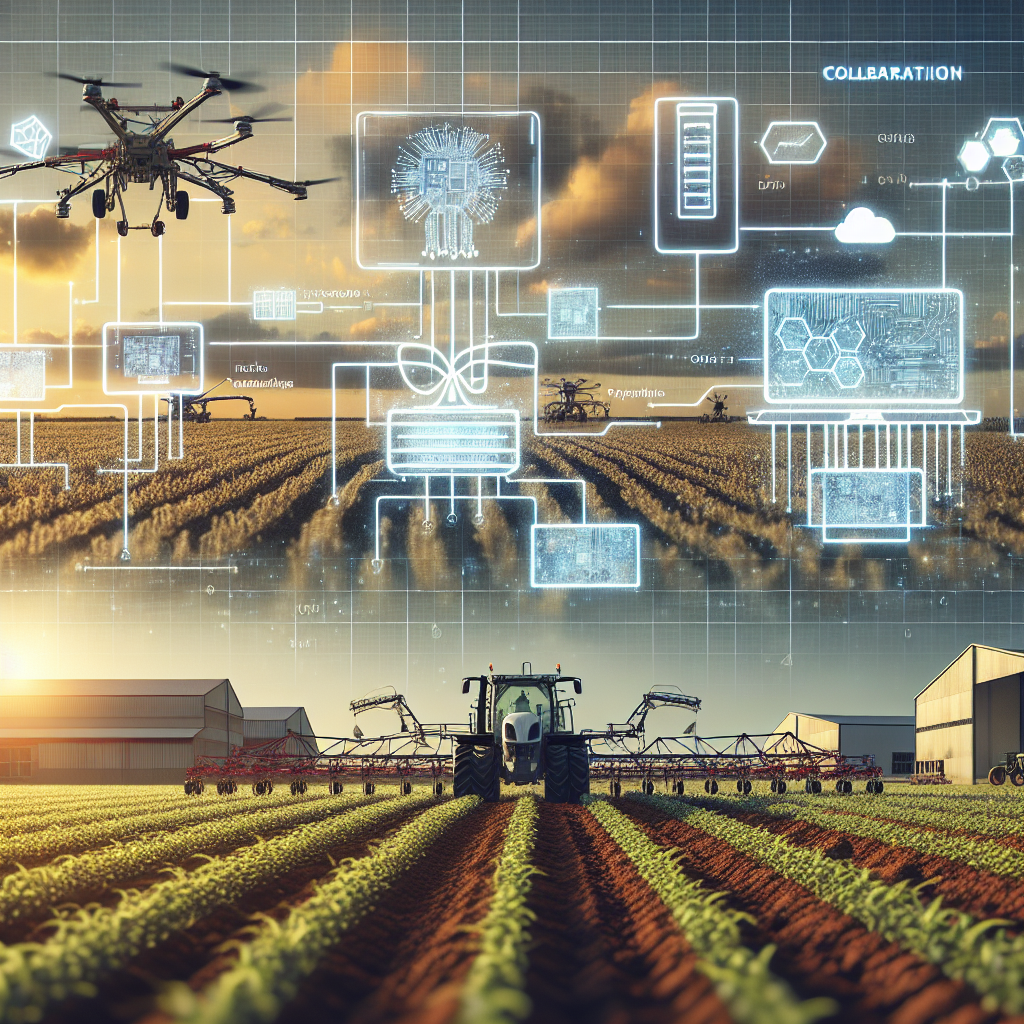
Contextual Overview The recent partnership between SAP SE and Syngenta marks a significant milestone in the integration of artificial intelligence (AI) within the agricultural sector. This collaboration aims to enhance AI-assisted innovation across Syngenta’s global operations, thereby modernizing agricultural practices to address pressing global challenges. The agricultural industry is currently faced with numerous hurdles, such as climate change, supply chain complexities, and increasing food demand, particularly as projections indicate a need to feed an estimated 10 billion people by 2050. By embedding AI-driven solutions into its core operations, Syngenta seeks to improve its efficiency, resilience, and overall productivity. Main Goal and Achievement Strategy The primary objective of the SAP-Syngenta partnership is to transform Syngenta into an AI-centric enterprise capable of leveraging advanced data analytics to streamline operations across various sectors, including manufacturing, supply chain, and customer-facing services. This transformation will be achieved through the deployment of SAP Cloud ERP Private solutions, which will enhance operational agility and scalability. Additionally, the integration of AI tools, such as the Joule copilot, will facilitate real-time decision-making, thus accelerating innovation and improving service delivery to growers worldwide. Advantages of AI Integration in Agriculture Enhanced Operational Efficiency: The partnership aims to streamline workflows and optimize processes across the agricultural value chain, thereby reducing operational costs and time. Real-Time Decision-Making: The deployment of AI-powered solutions will enable Syngenta to make informed decisions swiftly, enhancing responsiveness to market dynamics and environmental changes. Stronger Resilience: The integration of AI tools will bolster Syngenta’s ability to adapt to market fluctuations and supply chain uncertainties, promoting sustainability in operations. Innovation Acceleration: By harnessing advanced analytics, Syngenta can expedite the development of new products and services, thereby reinforcing its competitive edge in the agricultural sector. Improved Data Security and Control: The establishment of a unified data foundation will ensure that growers retain control over their proprietary information while benefiting from AI insights. Future Implications of AI in Agriculture The SAP and Syngenta collaboration heralds a new era for the agricultural industry, where AI technologies are poised to play a pivotal role in shaping future practices. As AI continues to evolve, its applications in agriculture will likely expand, presenting opportunities for enhanced precision farming, predictive analytics, and automated operations. These advancements will not only fulfill the immediate need for increased food production but will also promote sustainable agricultural practices that can withstand the challenges of climate change and global market volatility. Disclaimer The content on this site is generated using AI technology that analyzes publicly available blog posts to extract and present key takeaways. We do not own, endorse, or claim intellectual property rights to the original blog content. Full credit is given to original authors and sources where applicable. Our summaries are intended solely for informational and educational purposes, offering AI-generated insights in a condensed format. They are not meant to substitute or replicate the full context of the original material. If you are a content owner and wish to request changes or removal, please contact us directly. Source link : Click Here
Contextual Background The Ag Tech Talk podcast, hosted by AgriBusiness Global (ABG), recently featured a discussion with Jim Zimmer, an Operating Partner at Granite Creek Capital and Co-Founder of Moraine Farmland Partners. This episode delves into the evolving landscape of farmland valuation in light of contemporary agronomic practices and precision technologies. With extensive experience in agricultural investment and innovation, Zimmer articulates how advancements in agronomy are reshaping perceptions of land value. The discourse emphasizes the limitations of traditional soil productivity indices and highlights the importance of integrating yield history, modern management practices, and emerging technologies in assessing farmland worth. Main Goal and Achievement Strategies The primary objective articulated in the podcast centers around re-evaluating how land value is determined, especially in the context of advanced agronomic practices. Achieving this goal necessitates a paradigm shift from reliance on conventional productivity indices to a more nuanced approach that considers recent yield trends, technological advancements, and enhanced management practices. By leveraging modern tools such as precision planting, seed innovation, and improved drainage systems, stakeholders can realize higher productivity, thereby influencing land valuation positively. Advantages of Modern Agronomic Practices Enhanced Productivity: The integration of advanced seed technologies and precision planting techniques has significantly increased yield potential. For instance, corn yields in traditionally lower productivity regions have experienced remarkable growth, showcasing the effectiveness of these innovations. Re-evaluation of Land Value: As demonstrated by Zimmer, the shift in agricultural practices necessitates a reconsideration of land value assessment. By focusing on recent yield trends rather than outdated productivity indices, investors can make more informed decisions. Accessibility of Technology: The advancements in agricultural technology are becoming increasingly accessible to farmers, allowing for enhanced productivity across various soil classes. This democratization of technology is crucial for improving overall agricultural output. Long-term Sustainability: Modern agronomic practices not only enhance productivity but also promote sustainable farming through better resource management, ensuring that lower productivity soils can achieve higher outputs with less environmental impact. However, it is important to recognize the caveat that while technological advancements provide significant benefits, there may be a learning curve and initial investment required to implement these practices effectively. Future Implications The implications of these advancements are profound, particularly in the context of artificial intelligence (AI) developments within the agricultural sector. As AI continues to evolve, its applications in precision agriculture are expected to expand, allowing for more sophisticated data analysis and forecasting. This will enable farmers to optimize resources further, predict crop yields with higher accuracy, and make real-time decisions that enhance productivity and profitability. For instance, AI-driven analytics can provide insights into soil health, crop health, and weather patterns, leading to more informed management decisions. This integration of AI into modern agronomy will likely redefine traditional metrics of land value, emphasizing a data-driven approach that aligns with the realities of contemporary farming. Disclaimer The content on this site is generated using AI technology that analyzes publicly available blog posts to extract and present key takeaways. We do not own, endorse, or claim intellectual property rights to the original blog content. Full credit is given to original authors and sources where applicable. Our summaries are intended solely for informational and educational purposes, offering AI-generated insights in a condensed format. They are not meant to substitute or replicate the full context of the original material. If you are a content owner and wish to request changes or removal, please contact us directly. Source link : Click Here

Context Chlorella vulgaris, a species of freshwater microalga, has garnered significant attention as a potential superfood that boasts a minimal environmental footprint. The increasing interest in this alga is attributed to its diverse applications in agriculture, particularly in nations such as Japan, where it is utilized for livestock feed, renewable energy production, and as a rich protein source. However, the mass production of Chlorella vulgaris presents several challenges that have prompted ongoing research since the 1990s to optimize its growth conditions and scalability. Studies have highlighted its nutrient-rich profile, including properties that enhance immune function, detoxification, and antioxidant activity, thus positioning it as a biostimulant in agricultural practices. Understanding Microalgae Microalgae, such as Chlorella vulgaris, are microscopic organisms that replicate efficiently under suitable environmental conditions, requiring light, warmth, and nutrients. These autotrophic organisms play a crucial role in the carbon and nitrogen cycles, thereby contributing to essential ecosystem services in both marine and freshwater environments. The ability of microalgae to self-replicate offers a sustainable approach to addressing food security concerns, particularly as applications for Chlorella vulgaris continue to expand. Main Goals and Achievements The main goal of promoting Chlorella vulgaris as a superfood is to leverage its nutritional benefits while minimizing environmental impacts associated with traditional agricultural practices. Achieving this goal necessitates overcoming obstacles in large-scale cultivation, such as the development of cost-effective and efficient production methods. By refining cultivation techniques and ensuring the integration of Chlorella vulgaris within existing farming systems, stakeholders can unlock its potential as a sustainable food source. Advantages of Chlorella vulgaris Nutritional Value: Chlorella vulgaris is rich in protein, vitamins, and essential fatty acids, making it a valuable supplement for human consumption. Its Vitamin B12 content is particularly noteworthy, as it is scarce in plant-based diets. Environmental Benefits: As a microalga, C. vulgaris can grow with low resource input, utilizing carbon dioxide and inorganic nitrogen. This characteristic supports its role in carbon sequestration and offers a solution to nutrient runoff from traditional farming. Bioremediation Properties: Due to its ability to absorb heavy metals, Chlorella vulgaris serves as an effective bioremediant, contributing to the cleaning of polluted water systems. Renewable Energy Potential: Research has identified C. vulgaris as a candidate for biofuel production, positioning it alongside conventional crops like soy and corn in the renewable energy landscape. Challenges and Limitations Despite its advantages, the production of Chlorella vulgaris is not without challenges. Current methodologies are predominantly designed for large-scale operations, posing difficulties for small-scale and urban agricultural producers. Additionally, issues related to production cleanup and water quality management remain unresolved, necessitating further investigation. As the industry seeks to scale up production, it must also address potential ecological impacts and metabolic changes that may arise from altered growth conditions. Future Implications and AI Developments Looking ahead, the integration of artificial intelligence (AI) in the cultivation and harvesting of Chlorella vulgaris could revolutionize its production. AI technologies can optimize growth conditions, enhance monitoring of nutrient levels, and streamline the harvesting process, thus improving efficiency and reducing costs. Furthermore, as research continues to explore alternative microalgal species with similar beneficial properties, AI could assist in identifying and developing these new strains, expanding the repertoire of sustainable agricultural practices. Disclaimer The content on this site is generated using AI technology that analyzes publicly available blog posts to extract and present key takeaways. We do not own, endorse, or claim intellectual property rights to the original blog content. Full credit is given to original authors and sources where applicable. Our summaries are intended solely for informational and educational purposes, offering AI-generated insights in a condensed format. They are not meant to substitute or replicate the full context of the original material. If you are a content owner and wish to request changes or removal, please contact us directly. Source link : Click Here
Contextual Landscape of AgriTech and FoodTech As articulated by Tony Martens, cofounder of Plantible, the AgriTech landscape is experiencing profound challenges reminiscent of an “ice age” following a previous optimistic outlook. The necessity for mergers and acquisitions (M&A) and clear exit strategies has never been more critical for the sector’s revival. Annick Verween of Biotope emphasizes that superficial discussions about the food system’s inefficiencies are inadequate; instead, the focus must shift towards the specific problems startups are addressing and the market’s willingness to pay for their solutions. This paradigm shift is essential for AgriTech innovators who must navigate the evolving regulatory and market landscape to remain viable. Main Goals and Pathways to Achievement The principal goal identified in the original discourse is the recalibration of AgriTech and FoodTech sectors to ensure survival and growth amidst turbulent market conditions. This can be achieved through a dual focus: first, by clearly identifying the pain points that innovations address and second, by establishing robust business models that prove market demand. Innovators are encouraged to prioritize genuine problem-solving rather than engaging in lengthy conceptual frameworks, which often obfuscate the practical value of their offerings. Advantages of Focused Innovation Market Relevance: By directly addressing consumer pain points, startups can enhance their market relevance, increasing the likelihood of securing investments and customer loyalty. Increased Investment Opportunities: Innovations that demonstrate clear problem-solving capabilities are more likely to attract funding, as investors seek viable pathways to returns on investment. Competitive Advantage: Startups that swiftly adapt to market demands can position themselves ahead of competitors, particularly in a dynamic sector where consumer preferences are rapidly evolving. Resilience Against Regulatory Changes: A focused approach enables companies to better anticipate and respond to regulatory shifts, such as proposed changes to the GRAS (Generally Recognized as Safe) process, which could significantly impact product development timelines. Caveats and Limitations While the advantages of targeted innovation are significant, there are limitations. The high volatility in funding and market sentiment can lead to inconsistent growth trajectories. Additionally, the challenge of demonstrating substantial returns remains, particularly in sectors like alt-protein, where many companies struggle with inflated valuations yet lack clear pathways to profitability. Future Implications: The Role of AI in AgriTech The integration of artificial intelligence (AI) into AgriTech presents transformative possibilities. AI technologies can enhance operational efficiency across various domains—from research and development to supply chain management. As observed in innovative startups, AI can facilitate predictive analytics that improve crop yields and optimize resource allocation, thus addressing some of the pressing challenges faced by the agricultural sector. Furthermore, the evolution of AI-driven solutions may support startups in creating customizable food products tailored to specific consumer needs, which could reshape market dynamics. However, the future of AI in AgriTech will depend on the sector’s ability to navigate regulatory environments and adapt to evolving consumer preferences, ensuring that technological advancements align with market demands. Disclaimer The content on this site is generated using AI technology that analyzes publicly available blog posts to extract and present key takeaways. We do not own, endorse, or claim intellectual property rights to the original blog content. Full credit is given to original authors and sources where applicable. Our summaries are intended solely for informational and educational purposes, offering AI-generated insights in a condensed format. They are not meant to substitute or replicate the full context of the original material. If you are a content owner and wish to request changes or removal, please contact us directly. Source link : Click Here


