
Introduction In the rapidly evolving landscape of Generative AI, a critical bottleneck has emerged that transcends traditional concerns regarding model performance: the issue of permissions. As enterprise AI agents proliferate, enterprises face the daunting challenge of defining and managing the permissions associated with these agents. The operational efficacy of AI agents hinges not solely on sophisticated algorithms but fundamentally on the governance structures that dictate their access and authority within organizational frameworks. Understanding the Main Goal The primary objective highlighted in the original discussion is to establish a robust governance layer that effectively manages the permissions of AI agents within organizations. This goal can be achieved by integrating AI systems with existing records management frameworks that track user permissions and operational boundaries. By leveraging established systems, organizations can ensure that AI agents operate within clearly defined limits, thereby enhancing both security and functional accuracy. Advantages of a Governance Layer Enhanced Security: By embedding permissions within the organizational system of record, potential security vulnerabilities are mitigated. As noted, “If your permissions are defined somewhere outside of where the data actually lives, you’ve already lost.” This integration ensures that all actions taken by AI agents are traceable and compliant with security protocols. Improved Accuracy: With a well-defined governance structure, the accuracy of AI outputs is significantly enhanced. For instance, in HR and finance, precise actions such as payroll processing and scheduling are critical, as errors can lead to substantial repercussions. The governance model ensures that these processes are correctly executed by validating the permissions of the acting agent. Operational Efficiency: A clear governance framework streamlines workflows by automating permission checks and approvals, reducing the time spent on manual oversight. This efficiency is particularly valuable in time-sensitive environments where quick decision-making is paramount. Auditability: The inclusion of audit trails within the governance model allows organizations to maintain comprehensive logs of interactions and actions taken by AI agents. This visibility is crucial for compliance and regulatory needs, particularly in sectors such as finance and healthcare. Limitations and Caveats While the governance layer offers numerous advantages, it is not without its challenges. The complexity of organizational hierarchies and varying permission levels can lead to confusion and potential bottlenecks if not managed properly. Moreover, reliance on existing systems necessitates a high degree of integration and collaboration, which may pose implementation challenges for organizations with legacy systems. Future Implications As AI technologies continue to advance, the implications of effective permission management will become even more pronounced. Future AI developments will likely necessitate increasingly intricate governance structures capable of adapting to dynamic organizational environments. The focus on permissions will also foster greater collaboration between AI developers and organizational stakeholders, ensuring that AI implementations are both secure and aligned with business objectives. Moreover, as regulatory scrutiny intensifies across various industries, the ability to demonstrate compliance through robust governance frameworks will be essential for fostering trust in AI technologies. Conclusion In summary, the effective management of permissions within AI systems is a foundational element that can significantly influence the success of enterprise AI agents. By establishing a governance layer integrated with existing organizational frameworks, organizations can enhance security, accuracy, and operational efficiency while also preparing for the future landscape of AI technologies. Disclaimer The content on this site is generated using AI technology that analyzes publicly available blog posts to extract and present key takeaways. We do not own, endorse, or claim intellectual property rights to the original blog content. Full credit is given to original authors and sources where applicable. Our summaries are intended solely for informational and educational purposes, offering AI-generated insights in a condensed format. They are not meant to substitute or replicate the full context of the original material. If you are a content owner and wish to request changes or removal, please contact us directly. Source link : Click Here
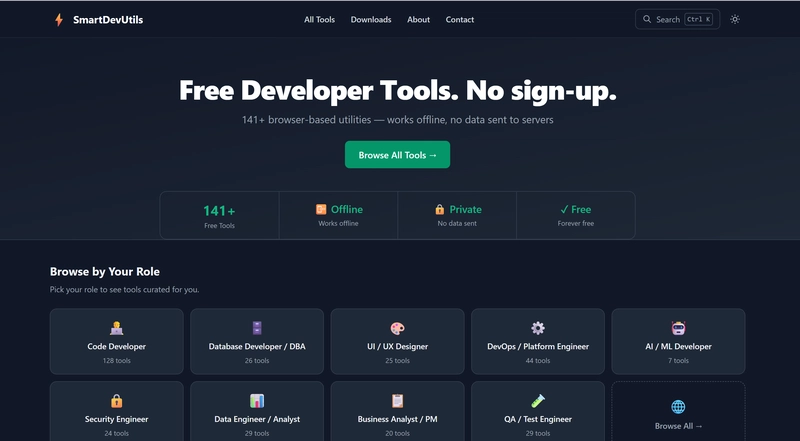
Introduction In the realm of Computer Vision and Image Processing, practitioners frequently encounter a myriad of online tools designed to facilitate essential tasks. These tasks often involve manipulating data formats, decoding information, and streamlining processes vital for effective analysis. However, reliance on numerous single-purpose web utilities can introduce significant risks, notably regarding data security and operational efficiency. In this context, a solution emerges: SmartDevUtils, a comprehensive suite of developer utilities designed specifically for a seamless and secure user experience. The Everyday Friction in Computer Vision For professionals in the field of Computer Vision, repetitive tasks such as decoding image metadata or converting various data formats into usable structures are commonplace. These tasks, which may individually take only a few seconds, collectively impose a cognitive burden on the scientists involved. The need to search for reliable online tools for these tasks not only disrupts workflow but also exposes sensitive data to potential security threats. SmartDevUtils addresses this friction by offering a centralized platform that eliminates the need for constant web searches and the associated risks of using unknown sites. Main Goal and Achievement The primary objective of utilizing SmartDevUtils is to streamline the workflow of Vision Scientists by providing a single client-side tool that integrates various functionalities. This goal can be achieved through SmartDevUtils’ architecture, which processes all tasks within the user’s browser. By doing so, it mitigates risks associated with data exposure and enhances operational speed, allowing researchers to focus on their core tasks without interruption. Advantages of SmartDevUtils Data Security: All processing is conducted locally, ensuring that sensitive data, such as proprietary algorithms or patient information, remains confidential. This is particularly critical in the field of Computer Vision, where data integrity is paramount. Efficiency: The elimination of backend server communication reduces latency, enabling immediate feedback and results. This aspect is crucial for Vision Scientists who often require real-time analysis and adjustments. Offline Capability: SmartDevUtils functions without an internet connection, making it accessible in environments where network connectivity is limited, such as remote fieldwork or secure research facilities. No Account Requirement: Users are not required to create accounts, thus avoiding the complications and potential security risks associated with account management and data retention policies. Caveats and Limitations Despite its numerous advantages, it is essential to acknowledge certain limitations. The reliance on client-side processing may restrict the ability to handle extremely large datasets efficiently, as local machine resources could become a bottleneck. Additionally, while SmartDevUtils offers a robust set of tools, it may not encompass every specific utility a Vision Scientist might require, necessitating a careful evaluation of its suitability for particular tasks. Future Implications in the Era of AI As advancements in artificial intelligence continue to evolve, the implications for tools like SmartDevUtils are profound. Future iterations may incorporate AI-driven functionalities that enhance data processing capabilities, improve the accuracy of image analysis, and automate routine tasks. Furthermore, as AI technologies increasingly integrate with Computer Vision, the need for secure, efficient, and user-friendly tools will become even more critical. Emphasizing client-side processing will likely become a standard best practice, ensuring that sensitive data remains protected while enabling rapid innovation in the field. Conclusion SmartDevUtils represents a significant stride towards enhancing the efficiency and security of workflows in Computer Vision and Image Processing. By centralizing essential tools within a single client-side platform, it alleviates the friction experienced by Vision Scientists and offers a robust solution to the challenges posed by traditional online utilities. As AI technologies advance, the continued evolution of such tools will be vital in supporting the dynamic needs of the industry. Disclaimer The content on this site is generated using AI technology that analyzes publicly available blog posts to extract and present key takeaways. We do not own, endorse, or claim intellectual property rights to the original blog content. Full credit is given to original authors and sources where applicable. Our summaries are intended solely for informational and educational purposes, offering AI-generated insights in a condensed format. They are not meant to substitute or replicate the full context of the original material. If you are a content owner and wish to request changes or removal, please contact us directly. Source link : Click Here

Contextualizing the Creative Process in Data Engineering In the realm of Big Data Engineering, the creative process often mirrors the inspiration derived from leisure activities. Just as developers may find ingenious solutions while engaging in informal settings—like floating in a pool or enjoying a beach picnic—Data Engineers can benefit from stepping away from their typical work environments. This shift in perspective can ignite innovative problem-solving techniques that enhance their work efficiency and effectiveness. Main Goal and Achievements in Big Data Engineering The primary goal of fostering creativity in data engineering is to encourage innovative solutions to complex data challenges. This can be accomplished by promoting a work culture that values breaks and encourages team members to engage in activities outside their usual professional confines. By allowing for mental relaxation and rejuvenation, the potential for creativity can significantly increase, leading to breakthrough ideas that address the persistent issues faced by Data Engineers. Structured List of Advantages Enhanced Problem-Solving Skills: Engaging in recreational activities can stimulate cognitive processes, leading to improved problem-solving skills. Research has shown that breaks can enhance creativity and productivity. Increased Team Collaboration: Informal settings provide opportunities for team bonding, which can foster collaboration and improve communication among Data Engineers. This synergy can often lead to more innovative approaches to data management. Reduced Stress Levels: Regular breaks and leisure activities have been linked to reduced stress levels, which can improve overall job satisfaction and performance among Data Engineers. Improved Work-Life Balance: Encouraging a culture that promotes breaks and leisure activities helps to create a healthier work-life balance, which can lead to greater employee retention and lower turnover rates. Caveats and Limitations While the advantages of fostering creativity through leisure activities are evident, it is essential to acknowledge potential limitations. For instance, not all teams may have the flexibility to integrate leisure into their work culture due to strict deadlines or high-pressure environments. Additionally, the effectiveness of breaks may vary among individuals, with some Data Engineers potentially feeling unproductive when away from their tasks. Thus, it’s crucial to tailor such initiatives to the specific needs and preferences of the team. Future Implications in the Era of AI The future of Big Data Engineering will inevitably be shaped by developments in artificial intelligence (AI). As AI technology continues to evolve, Data Engineers will need to adapt their problem-solving strategies to leverage AI tools effectively. The incorporation of AI can enhance the efficiency of data processing and analysis, leading to more profound insights and innovative solutions. Furthermore, with AI’s potential to automate routine tasks, Data Engineers may find themselves with more time to engage in creative thinking and exploration of new ideas. This evolution will necessitate a reevaluation of traditional work practices and an embrace of a culture that encourages innovation through varied experiences. Disclaimer The content on this site is generated using AI technology that analyzes publicly available blog posts to extract and present key takeaways. We do not own, endorse, or claim intellectual property rights to the original blog content. Full credit is given to original authors and sources where applicable. Our summaries are intended solely for informational and educational purposes, offering AI-generated insights in a condensed format. They are not meant to substitute or replicate the full context of the original material. If you are a content owner and wish to request changes or removal, please contact us directly. Source link : Click Here

Context As technology evolves, devices can become obsolete, leading users to question their utility. A recent development involving Amazon’s Kindle and Fire tablet models from 2012 and earlier highlights this phenomenon. While these devices have lost access to software updates and new content from the Kindle Store, they still retain significant utility for their owners. This scenario mirrors challenges faced by practitioners in the Applied Machine Learning (ML) industry, where older models and algorithms can remain relevant despite technological advancements. Main Goal The primary goal of the original post is to inform Kindle users about the discontinuation of software support for older devices, while simultaneously providing insights on how these users can maximize the remaining functionalities of their devices. In the context of Applied Machine Learning, this translates to encouraging ML practitioners to leverage existing models and algorithms effectively, despite the availability of newer technologies. This can be achieved by exploring methods to repurpose older models, adapting them to new datasets, and integrating them into more comprehensive systems. Advantages of Using Older Devices and Models Access to Existing Resources: Users can still access previously purchased content on their Kindles, similar to how ML practitioners can utilize existing datasets and models to continue their work without needing constant updates. Cost-Effectiveness: With a focus on sustainable technology use, older devices can provide significant value without the financial burden of upgrading to the latest models or technologies. This parallels the reduced costs associated with using pre-trained models in ML. Community Support and Resource Sharing: Both Kindle users and ML practitioners often benefit from online communities that share tips, hacks, and workarounds, fostering collaboration and knowledge exchange. Longevity of Devices: The Kindle’s long support period (10-15 years) demonstrates that devices can remain functional and useful for extended periods, much like established ML models that can be retrained or fine-tuned for new tasks. Caveats and Limitations While older devices and models can be advantageous, there are inherent limitations. Kindle users cannot download new content or receive updates, which may restrict their reading experience. Similarly, ML practitioners may find that older algorithms lack the robustness or efficiency of newer techniques. Additionally, integrating outdated models into modern applications may require significant adjustments and expertise. Future Implications The end of support for older Kindle devices poses questions about the future of technology and its lifecycle. As artificial intelligence continues to evolve, similar trends may emerge in the ML domain. The challenge will lie in maintaining a balance between embracing cutting-edge techniques and utilizing established models effectively. Innovations in transfer learning and model compression could pave the way for older models to be adapted and integrated into new systems, thereby prolonging their relevance. Furthermore, as AI development progresses, the ability to leverage historical data and established algorithms will be crucial for practitioners aiming to enhance their work while minimizing costs. Disclaimer The content on this site is generated using AI technology that analyzes publicly available blog posts to extract and present key takeaways. We do not own, endorse, or claim intellectual property rights to the original blog content. Full credit is given to original authors and sources where applicable. Our summaries are intended solely for informational and educational purposes, offering AI-generated insights in a condensed format. They are not meant to substitute or replicate the full context of the original material. If you are a content owner and wish to request changes or removal, please contact us directly. Source link : Click Here
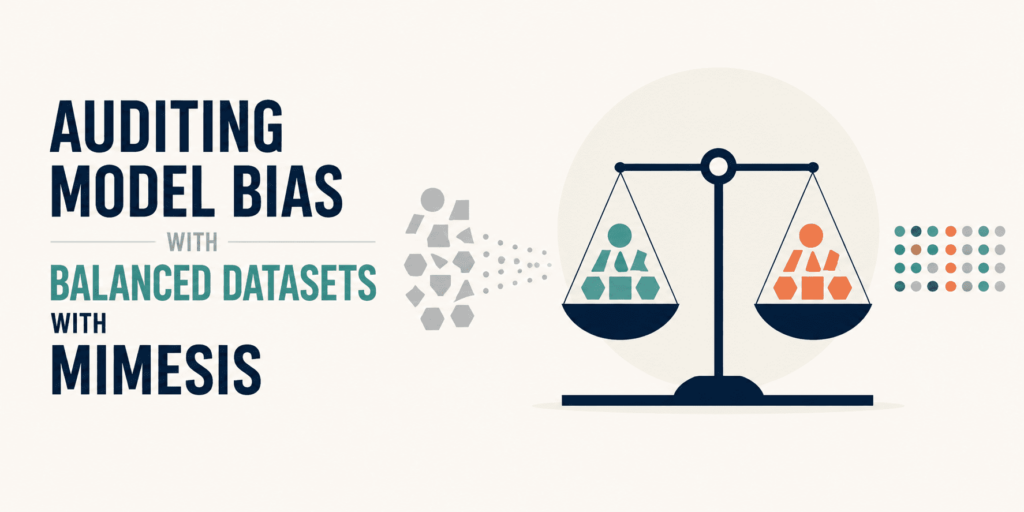
Introduction In the realm of artificial intelligence (AI) and machine learning (ML), the integrity of algorithms is paramount, especially in applications such as Natural Language Understanding (NLU) and Language Understanding (LU). These models, ranging from traditional classifiers to advanced large language models (LLMs), may inadvertently inherit biases from their training datasets. This poses significant challenges in high-stakes environments where decisions can profoundly influence individuals’ lives. The question arises: how can practitioners effectively audit models for bias while ensuring that real-world sensitive information remains uncompromised? This discussion delves into the methodology of utilizing Mimesis, an open-source library, to generate counterfactual datasets conducive to auditing machine learning models. Through the creation of synthetic yet balanced datasets, stakeholders can evaluate whether their models unfairly discriminate against specific demographic groups, thus fostering fairness and accountability in AI systems. The Goal of Auditing Model Bias The primary objective of auditing model bias is to ascertain whether a machine learning model exhibits discriminatory behavior towards certain demographics, particularly when dealing with sensitive data. This can be effectively achieved by employing counterfactual analysis, wherein identical financial profiles differing only in protected attributes—such as gender—are analyzed. By observing discrepancies in model predictions based on these profiles, one can identify potential biases embedded within the model’s decision-making process. Advantages of Using Mimesis for Bias Auditing The implementation of Mimesis in the auditing process offers several key advantages: Generation of Balanced Datasets: Mimesis facilitates the creation of counterfactual datasets that adhere to statistical parity, thereby eliminating the influence of confounding variables. This allows for a more accurate assessment of model behavior. Privacy Preservation: By synthesizing data instead of using real-world sensitive information, Mimesis ensures compliance with privacy regulations, mitigating risks associated with data breaches. Isolation of Variables: The ability to construct cloned profiles differing solely in protected attributes enables a clear evaluation of how these attributes affect model predictions, thereby highlighting any biases present. Informed Decision-Making: Identifying biases equips organizations with the information necessary to take corrective actions, such as augmenting training datasets or employing bias mitigation strategies, thus fostering fairer AI systems. However, practitioners should be aware of limitations, such as the potential oversimplification of complex social issues when relying solely on synthetic data, which may not fully capture the intricacies of real-world scenarios. Future Implications of AI Developments The implications of advancements in AI and machine learning technologies are profound, particularly concerning bias detection and mitigation. As models become increasingly sophisticated, the importance of robust auditing mechanisms will only grow. Future developments in AI may yield enhanced tools for bias detection, enabling real-time monitoring of model behavior in production environments. Moreover, as the discourse surrounding ethical AI continues to evolve, regulatory frameworks may emerge, mandating stringent auditing practices to ensure fairness and accountability in AI applications. In conclusion, the intersection of AI, bias auditing, and ethical considerations presents both challenges and opportunities for Natural Language Understanding scientists. By leveraging tools such as Mimesis, stakeholders can not only enhance the fairness of their models but also contribute to the broader goal of ethical AI. Disclaimer The content on this site is generated using AI technology that analyzes publicly available blog posts to extract and present key takeaways. We do not own, endorse, or claim intellectual property rights to the original blog content. Full credit is given to original authors and sources where applicable. Our summaries are intended solely for informational and educational purposes, offering AI-generated insights in a condensed format. They are not meant to substitute or replicate the full context of the original material. If you are a content owner and wish to request changes or removal, please contact us directly. Source link : Click Here

Contextual Overview In recent developments within the field of artificial intelligence and cybersecurity, Anthropic has unveiled its “Mythos” model, a significant advancement in AI capabilities designed to address critical security challenges. Initially announced in April 2026, the Mythos model is characterized as a frontier technology that exhibits substantial improvements in code reasoning and autonomous functionality compared to its predecessor, Opus 4.7. Its potential to automate the generation of sophisticated cyberattacks raises concerns regarding its implications for both private and public software systems. As organizations increasingly rely on digital infrastructures, the introduction of such powerful AI models necessitates a careful examination of security measures and proactive defense strategies. Main Objective and Implementation The primary goal of deploying the Mythos model is to enhance the security posture of software applications by identifying and mitigating vulnerabilities before exploitation can occur. Anthropic emphasizes the importance of implementing a robust guardrail system to prevent the misuse of the Mythos model in launching automated attacks. By collaborating with various organizations through its initiative “Glasswing,” Anthropic aims to leverage the capabilities of the Mythos model to identify potential AI-driven exploits, thereby fortifying critical software against emerging threats. This collaborative approach is vital for ensuring that the advancements in AI are harnessed for defensive purposes rather than allowing malicious actors to exploit these technologies. Advantages of the Mythos Model Enhanced Vulnerability Detection: In its initial month, the Mythos model successfully identified over 10,000 high- and critical-severity vulnerabilities, showcasing its effectiveness in proactive security measures. Improved Code Reasoning: The model’s advanced capabilities in code reasoning allow for better understanding and analysis of software vulnerabilities, ultimately enabling more efficient patching and remediation. Collaboration with Industry Partners: Through partnerships with up to 50 organizations, the model benefits from diverse insights and data, enhancing its ability to detect and address security flaws across various platforms. Long-term Defense Efficacy: While immediate risks may favor attackers, the long-term potential of Mythos lies in its ability to empower defenders, allowing for more efficient resource allocation and preemptive bug fixes. It is crucial to note, however, that the deployment of such advanced models comes with caveats. The potential for misuse by malicious actors remains a pressing concern, necessitating ongoing vigilance and robust security frameworks to mitigate risks associated with the public release of the Mythos model. Future Implications of AI Developments The advent of sophisticated AI models like Mythos signifies a paradigm shift in the landscape of cybersecurity and software development. As these technologies evolve, their impact on data analytics and insights will be profound. Data engineers and security professionals must adapt to the changing dynamics of threat detection and vulnerability management. The integration of AI-driven tools is likely to streamline processes, enhance the accuracy of threat assessments, and facilitate rapid response mechanisms. However, the dual-use nature of such technologies requires a balanced approach to ensure that defensive capabilities are prioritized in the face of potential threats. In conclusion, the Mythos model represents both a remarkable advancement in AI capabilities and a critical challenge for cybersecurity. Its successful implementation hinges on collaborative efforts to safeguard digital infrastructures while maximizing its potential for enhancing security measures. As the field continues to evolve, the intersection of AI, data analytics, and cybersecurity will undoubtedly shape the future of technology. Disclaimer The content on this site is generated using AI technology that analyzes publicly available blog posts to extract and present key takeaways. We do not own, endorse, or claim intellectual property rights to the original blog content. Full credit is given to original authors and sources where applicable. Our summaries are intended solely for informational and educational purposes, offering AI-generated insights in a condensed format. They are not meant to substitute or replicate the full context of the original material. If you are a content owner and wish to request changes or removal, please contact us directly. Source link : Click Here

Introduction In the rapidly evolving landscape of artificial intelligence, large language models (LLMs) have established themselves as essential tools for various applications, including code generation, mathematics problem-solving, summarization, and document understanding. However, traditional autoregressive models—characterized by their sequential generation of text, one token at a time—exhibit inherent limitations in performance and efficiency. The introduction of Nemotron-Labs Diffusion language models (DLMs) presents a revolutionary approach that aims to surmount these constraints, significantly enhancing both speed and accuracy in text generation. Main Goal of Nemotron-Labs Diffusion Language Models The primary objective of the Nemotron-Labs Diffusion models is to provide a more efficient mechanism for text generation by leveraging parallel token generation and iterative refinement processes. Unlike conventional autoregressive models, which depend on the sequential generation of tokens, the DLMs can generate multiple tokens simultaneously and refine them over subsequent iterations. This innovation not only accelerates the generation process but also allows for the revision of tokens, thereby addressing common pitfalls associated with autoregressive models, such as irreversible mistakes during generation. Advantages of Nemotron-Labs Diffusion Models Parallel Token Generation: DLMs facilitate the concurrent generation of tokens, significantly increasing throughput. This capability translates to faster response times, especially beneficial for latency-sensitive applications. Iterative Refinement: The ability to revise generated tokens allows for improved accuracy in the final output. This feature addresses the common challenge of propagating errors during the generation process. Adaptability: Developers can switch between autoregressive and diffusion generation modes with minimal changes to their existing workflows, enhancing the flexibility of model deployment. Performance Efficiency: Performance metrics indicate that the diffusion mode achieves higher tokens per forward pass (TPF), with reporting of up to 6.4 times the efficiency compared to traditional autoregressive models. Scalability: The Nemotron-Labs family includes models of varying scales (3B, 8B, and 14B parameters), catering to diverse application needs while maintaining a consistent architecture across the models. Caveats and Limitations While the advantages of Nemotron-Labs Diffusion models are compelling, it is essential to recognize certain limitations. The training of diffusion models remains complex, and achieving comparable accuracy to autoregressive models can be challenging. Furthermore, the models require substantial computational resources, which may limit accessibility for smaller organizations or individual developers. Future Implications for Generative AI The advent of diffusion language models is poised to reshape the landscape of generative AI in several ways. As these models gain traction, expect to see a broader range of applications across industries, from content creation to real-time data analysis. Furthermore, the integration of advanced model architectures may lead to enhanced capabilities, such as multi-modal inputs and outputs, thus broadening the scope of generative applications. As research continues to evolve, ongoing improvements in efficiency, accuracy, and accessibility will likely foster an even more significant impact on the capabilities of Generative AI scientists and their contributions to the field. Disclaimer The content on this site is generated using AI technology that analyzes publicly available blog posts to extract and present key takeaways. We do not own, endorse, or claim intellectual property rights to the original blog content. Full credit is given to original authors and sources where applicable. Our summaries are intended solely for informational and educational purposes, offering AI-generated insights in a condensed format. They are not meant to substitute or replicate the full context of the original material. If you are a content owner and wish to request changes or removal, please contact us directly. Source link : Click Here

Contextual Overview of AI in Software Development The landscape of software development is undergoing a significant transformation, primarily driven by advancements in artificial intelligence (AI). Central to this evolution is the emergence of large language model (LLM)-powered tools, such as Anthropic’s Claude Code and OpenAI’s Codex. Traditionally, developers have relied on manual coding practices, including the submission of pull requests—revisions or updates to existing software that are subject to review prior to deployment. However, the advent of AI-driven coding tools has led to a paradigm shift, as seen in recent industry discussions where developers openly acknowledge utilizing AI-generated code without prior review. Main Goal and Its Realization The primary objective of integrating AI tools like Claude Code into the software development process is to enhance automation and efficiency. By enabling AI to autonomously generate, test, and correct code, the reliance on human oversight diminishes. This shift is exemplified by Boris Cherny’s assertion that the default approach has transitioned from prompting Claude to allowing it to prompt itself. Achieving this goal involves continuous refinement of the AI’s capabilities, enabling it to learn from past errors and optimize its performance autonomously. Advantages of AI-Driven Coding Tools Increased Efficiency: AI tools can autonomously generate large portions of code, significantly reducing the time developers spend on manual coding tasks. Self-Correcting Mechanisms: The AI’s ability to check and correct its work minimizes the occurrence of errors in the final product, thereby streamlining the development process. Knowledge Retention: Features such as the ‘dreaming’ capability enable AI agents to document and learn from previous coding experiences, leading to improved performance in subsequent tasks. Reduced Cognitive Load: By handling error detection and resolution, AI tools alleviate the cognitive burden on human developers, allowing them to focus on higher-level design and architecture tasks. Despite these advantages, it is essential to recognize certain limitations. The reliance on AI-generated code may lead to concerns regarding code quality and security, as human developers may become less engaged in reviewing the AI’s output. Furthermore, the effectiveness of AI tools is contingent on the quality of the training data and the algorithms that underpin their functionality. Future Implications of AI in Software Development The trajectory of AI in software development suggests profound implications for the future of the industry. As AI tools become increasingly sophisticated, the role of human developers may evolve from active coders to overseers and strategists. This shift could lead to a redefinition of skill sets required in the industry, emphasizing the need for expertise in AI management and systems integration rather than traditional coding. Furthermore, as AI continues to learn and improve, the potential for creating more complex and secure software systems grows, paving the way for innovations that were previously unattainable. Disclaimer The content on this site is generated using AI technology that analyzes publicly available blog posts to extract and present key takeaways. We do not own, endorse, or claim intellectual property rights to the original blog content. Full credit is given to original authors and sources where applicable. Our summaries are intended solely for informational and educational purposes, offering AI-generated insights in a condensed format. They are not meant to substitute or replicate the full context of the original material. If you are a content owner and wish to request changes or removal, please contact us directly. Source link : Click Here
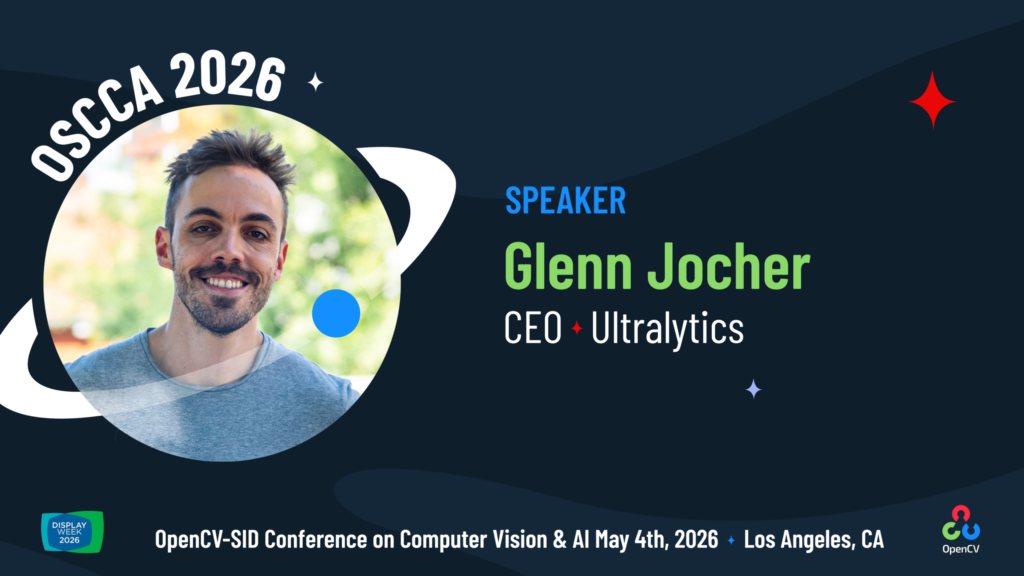
Context of the Announcement The field of computer vision has witnessed remarkable advancements, especially through the contributions of innovative technologies such as the Ultralytics YOLO (You Only Look Once) framework. This platform, developed by Glenn Jocher, operates at an impressive scale, executing approximately 2.5 billion model inferences daily across diverse sectors, including robotics, healthcare, and manufacturing. The announcement of Jocher’s participation in the upcoming OSCCA (Open Source Computer Vision Conference) event in Los Angeles on May 4th serves as a testament to the ongoing evolution in vision AI. Main Goal of the Presentation The primary objective of Glenn Jocher’s presentation at OSCCA is to shed light on the transformative potential of YOLO in making advanced vision AI accessible to a broader audience. By sharing insights into the development and deployment of YOLO, Jocher aims to empower attendees with the knowledge required to leverage these technologies effectively. This goal is particularly relevant for vision scientists and practitioners who seek to understand the practical applications of object detection AI in real-world scenarios. Advantages of Attending OSCCA Exclusive Access to Expertise: Attendees will benefit from Jocher’s pre-recorded talk, which will not be available to the general public. This unique opportunity allows participants to gain insights directly from a leading expert in the field. Networking Opportunities: The event facilitates interactions with fellow vision scientists, developers, and industry leaders, fostering collaborations that can lead to advancements in research and application. Comprehensive Knowledge Sharing: In addition to Jocher, OSCCA features presentations from other prominent figures in computer vision, such as Gary Bradski and Doug Fidaleo, providing a well-rounded understanding of current trends and innovations. Exposure to Cutting-Edge Technologies: The associated Display Week Exhibition Hall showcases the latest advancements in AI and imaging technologies, offering attendees firsthand experience with tools and innovations shaping the future. Caveats and Limitations While the advantages of attending OSCCA are substantial, participants should also consider potential limitations. Given the concentrated nature of the program, the depth of each topic may be constrained, limiting the opportunity for in-depth exploration of specific interests. Additionally, the event is geographically limited to Los Angeles, which may pose accessibility challenges for some interested parties. Future Implications of AI Developments The continued evolution of AI technologies, particularly in computer vision, will significantly influence the landscape for vision scientists. As tools like YOLO become more sophisticated and widely adopted, the demand for skilled professionals who can navigate and implement these technologies will increase. Furthermore, the integration of AI into various sectors will likely lead to the emergence of new applications, prompting a reevaluation of existing methodologies and practices in vision science. Conclusion In summary, Glenn Jocher’s talk at OSCCA represents a pivotal moment for attendees interested in the intersection of AI and computer vision. The insights shared during this session, along with the networking opportunities and exposure to emerging technologies, are invaluable for both current practitioners and aspiring vision scientists. Engaging with this content not only enhances individual expertise but also contributes to the broader discourse on the future of AI in vision applications. Disclaimer The content on this site is generated using AI technology that analyzes publicly available blog posts to extract and present key takeaways. We do not own, endorse, or claim intellectual property rights to the original blog content. Full credit is given to original authors and sources where applicable. Our summaries are intended solely for informational and educational purposes, offering AI-generated insights in a condensed format. They are not meant to substitute or replicate the full context of the original material. If you are a content owner and wish to request changes or removal, please contact us directly. Source link : Click Here

Contextual Overview In contemporary cloud computing environments, performance is not merely an attribute of individual resources; it is fundamentally influenced by the symbiotic interaction of compute, storage, and networking capabilities. The Azure Infrastructure as a Service (IaaS) platform espouses a system-level approach that facilitates organizations in achieving consistent and scalable performance across various demanding workloads, including artificial intelligence (AI), cloud-native applications, and critical business systems. This architecture is imperative for data engineers who must ensure that their solutions are robust, efficient, and adaptable to evolving demands. Main Goal and Achievement The central objective of Azure IaaS is to enhance performance by integrating resources in a manner that minimizes bottlenecks and optimizes throughput across all system dimensions. Achieving this goal necessitates a paradigm shift from traditional resource allocation strategies to a more holistic, system-oriented approach. This involves leveraging Azure’s capabilities to automate performance tuning, thereby allowing data engineers to focus on application design and functionality without the complexities of manual layer adjustments. Advantages of the System-Level Approach Holistic Performance Management: Azure IaaS enables performance assessment across multiple dimensions, including latency, throughput, scalability, and consistency, allowing for a comprehensive evaluation of workload efficiency. Dynamic Resource Scalability: The platform supports elastic scaling, particularly beneficial for cloud-native applications that experience fluctuating demand, ensuring that resources are provisioned efficiently in real time. Enhanced AI Workload Support: The system is designed to optimize performance for AI tasks, ensuring that data movement and processing are synchronized to meet the high demands of machine learning and inference tasks. Reduced Operational Overhead: By integrating compute, storage, and networking capabilities, Azure IaaS simplifies infrastructure management, allowing data engineers to prioritize innovation over maintenance. Predictable Performance for Business-Critical Systems: The architecture assures consistent performance under varying loads, which is vital for transactional systems and enterprise applications that require reliability and low latency. Considerations and Limitations While the system-level approach offers numerous advantages, it is essential to recognize that it may not eliminate all performance challenges. The dynamic nature of cloud workloads can still lead to unpredictable bottlenecks, particularly if workloads are not properly balanced across the system. Organizations must remain vigilant in monitoring performance metrics and be prepared to adapt their strategies as workloads evolve. Future Implications of AI on Big Data Engineering The convergence of AI and big data engineering is poised to reshape the landscape of cloud performance optimization. As AI applications become increasingly sophisticated, the demand for seamless data processing and rapid computation will intensify. Azure IaaS is well-positioned to accommodate these shifts through its system-level architecture, which can adapt to the complexities introduced by AI. Furthermore, the integration of AI-driven tools within Azure will likely enhance predictive analytics capabilities, enabling proactive performance tuning and resource allocation, thus further empowering data engineers to achieve their goals with greater efficiency. Disclaimer The content on this site is generated using AI technology that analyzes publicly available blog posts to extract and present key takeaways. We do not own, endorse, or claim intellectual property rights to the original blog content. Full credit is given to original authors and sources where applicable. Our summaries are intended solely for informational and educational purposes, offering AI-generated insights in a condensed format. They are not meant to substitute or replicate the full context of the original material. If you are a content owner and wish to request changes or removal, please contact us directly. Source link : Click Here


