Introduction
In recent years, the rapid advancement of Artificial Intelligence (AI) technologies, particularly in coding and software development, has ignited discussions regarding the future role of human engineers in enterprises. With the AI code tools market projected to reach $4.8 billion and grow at an annual rate of 23%, business leaders are increasingly tempted to replace their human workforce with AI coding agents. However, this shift raises critical questions about the potential consequences of such a decision. This article aims to analyze these implications, highlighting the importance of maintaining human expertise alongside AI capabilities in the context of Generative AI Models and Applications.
Main Goal and Achievement
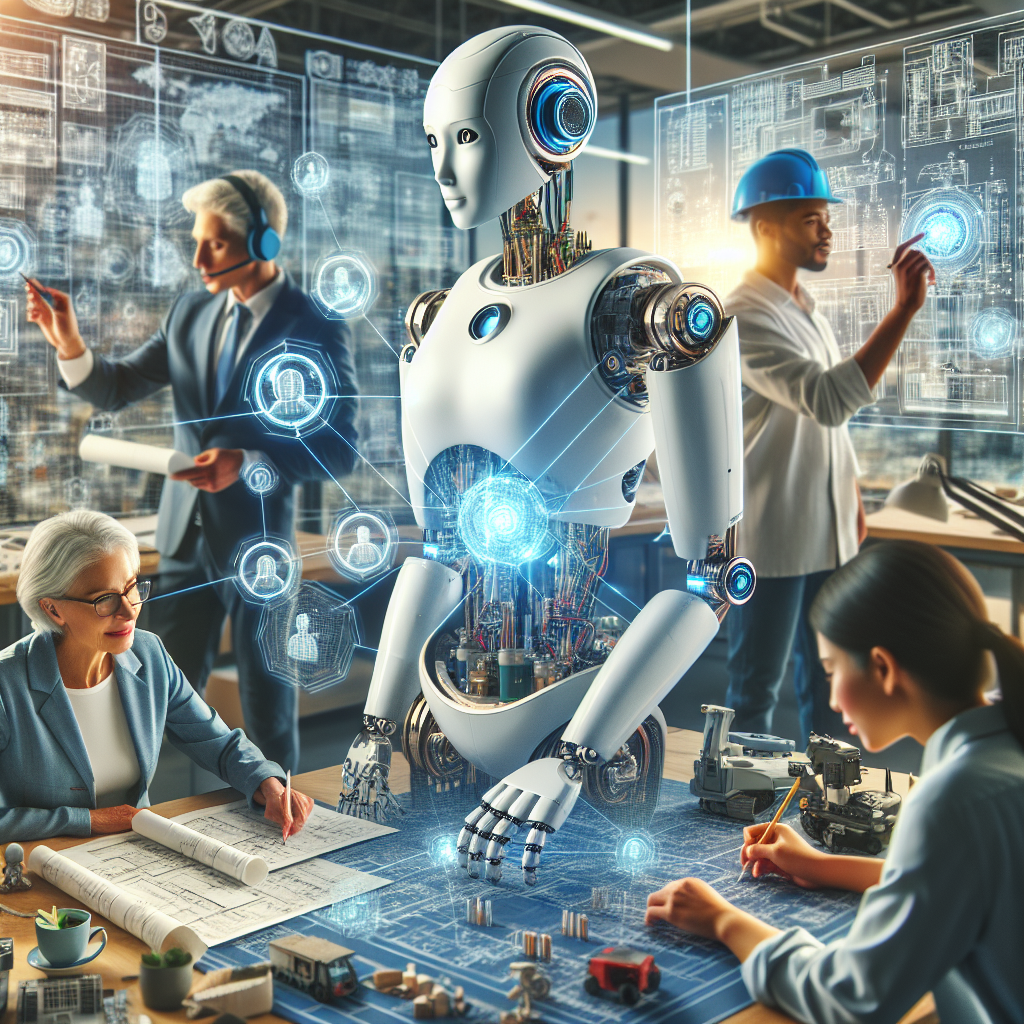
The primary goal of the original discussion revolves around understanding the risks associated with fully replacing human engineers with AI systems. It underscores the importance of retaining human oversight and expertise in software development, even as AI technologies become more capable. Achieving this involves a balanced approach where AI is integrated as a supportive tool rather than a complete substitute for human engineers.
Advantages of Integrating AI with Human Expertise
1. **Enhanced Productivity**: Studies from MIT Sloan and McKinsey demonstrate that AI can lead to productivity gains between 8% and 39%, with a reduction in task completion time by 10% to 50%. This indicates that AI can significantly accelerate development processes when used correctly.
2. **Quality Control**: Despite AI’s ability to generate code rapidly, the quality of the output remains variable. Human engineers can apply critical thinking and domain knowledge to review and refine AI-generated code, ensuring robust and reliable software.
3. **Risk Mitigation**: The reliance on human engineers can prevent catastrophic errors that AI alone might overlook. High-profile incidents, such as the deletion of production databases due to improper AI use, exemplify the necessity of human oversight in critical systems.
4. **Implementation of Best Practices**: Experienced engineers are essential for implementing validated software engineering best practices, including version control, automated testing, and production environment separation. These practices are foundational to maintaining system integrity and security.
5. **Adversarial Approach to AI**: Treating AI tools with a degree of skepticism can foster a more secure and controlled development environment. Human engineers can implement additional safeguards to prevent AI from operating outside its intended parameters.
Limitations and Caveats
While integrating AI into software development presents numerous advantages, it is crucial to acknowledge its limitations. The quality of AI-generated code is not guaranteed, necessitating ongoing human intervention for effective oversight. Additionally, financial pressures may tempt organizations to prioritize speed over adherence to best practices, potentially compromising software integrity.
Future Implications of AI in Software Development
The trajectory of AI advancements suggests that its role in software development will continue to evolve. As AI systems become more sophisticated, they may take on more complex tasks, but the need for human engineers will remain vital. Future developments in AI will likely emphasize the necessity of collaboration between AI capabilities and human expertise, fostering a hybrid model that leverages the strengths of both.
In conclusion, while AI holds significant promise for enhancing productivity in software development, the complete replacement of human engineers is fraught with risks. A strategic approach that combines the capabilities of AI with the irreplaceable insights and oversight of human engineers is essential for navigating the future landscape of software development in the era of Generative AI Models and Applications.
Disclaimer
The content on this site is generated using AI technology that analyzes publicly available blog posts to extract and present key takeaways. We do not own, endorse, or claim intellectual property rights to the original blog content. Full credit is given to original authors and sources where applicable. Our summaries are intended solely for informational and educational purposes, offering AI-generated insights in a condensed format. They are not meant to substitute or replicate the full context of the original material. If you are a content owner and wish to request changes or removal, please contact us directly.
Source link :
Click Here