Analysis of Recurrent Failures in Advanced Missile Systems Targeting Russian Adversaries

Contextual Overview

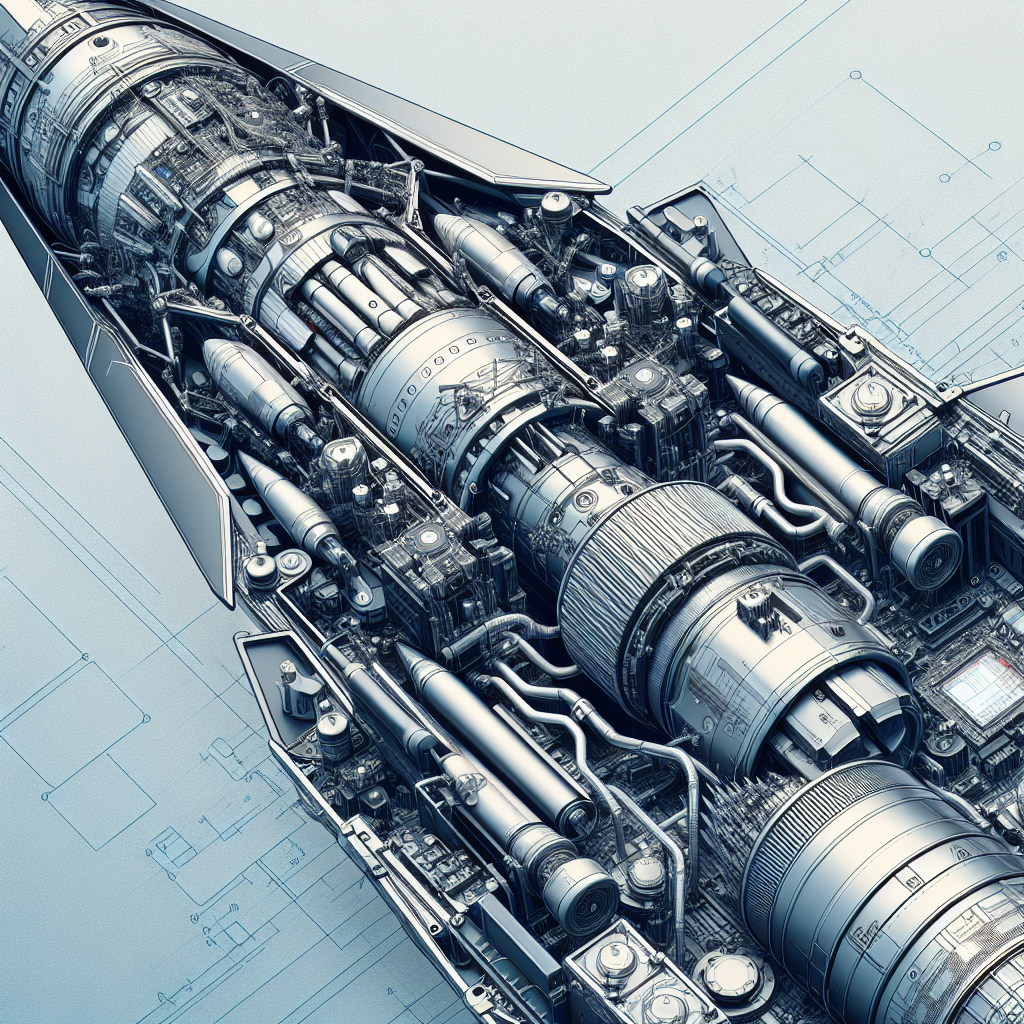
The ongoing developments in military technology, particularly the Russian Sarmat missile program, highlight the intricate interplay between national defense strategies and technological advancements. Russian officials, including President Vladimir Putin, have often heralded the Sarmat missile as a “truly unique weapon,” designed to deter potential adversaries. However, the program has faced significant challenges, with recent tests revealing a concerning trend of failures. This pattern raises critical questions about the reliability and future viability of Russia’s nuclear arsenals, particularly as the Sarmat is set to replace the older R-36M2 strategic intercontinental ballistic missile (ICBM) fleet.

Main Goal and Achievement Strategies

The primary objective of the Sarmat missile program is to modernize Russia’s strategic deterrent capabilities amidst an evolving geopolitical landscape. Achieving this goal necessitates not only technological advancements but also rigorous testing protocols to ensure the missile’s operational reliability. Continuous failures, such as the catastrophic incident that destroyed an underground silo during a test, impede progress and undermine confidence in the system’s effectiveness. To address these challenges, Russia must enhance its development framework, focusing on quality assurance and innovative engineering solutions that prioritize successful outcomes.

Advantages of Successful Missile Development

  • Enhanced Deterrence: A reliable Sarmat missile system would significantly bolster Russia’s deterrence posture, potentially discouraging adversarial actions through credible threat capabilities.
  • Technological Innovation: Successful development and deployment of the Sarmat could lead to advancements in related technologies, fostering improvements in missile guidance systems and defense mechanisms.
  • Strategic Stability: A robust ICBM fleet may contribute to strategic stability, as a reliable deterrent can mitigate the risks of military escalation among global powers.

However, it is essential to recognize the limitations inherent in this program. Frequent failures not only delay the introduction of the Sarmat into service but also raise concerns about the aging R-36M2 missiles that currently form a significant part of Russia’s nuclear arsenal. The maintenance of these older systems has become increasingly uncertain, particularly following geopolitical shifts that disrupted previous support frameworks.

Future Implications and the Role of AI

The trajectory of missile development, particularly within the context of the Sarmat program, suggests that advancements in artificial intelligence (AI) are poised to play a transformative role in the field of military technology. Future missile systems may increasingly integrate AI for enhanced targeting capabilities, predictive maintenance, and automated decision-making processes during tests. As AI technologies evolve, they will likely facilitate more sophisticated simulations and modeling, reducing the likelihood of failures in actual test scenarios.

Moreover, the synthesis of AI with missile technology could lead to adaptive systems capable of learning from previous engagements, thereby refining their operational strategies and increasing their effectiveness. This paradigm shift not only emphasizes the importance of integrating cutting-edge technologies into defense programs but also necessitates a reevaluation of existing military doctrines to accommodate these advancements.

Disclaimer

The content on this site is generated using AI technology that analyzes publicly available blog posts to extract and present key takeaways. We do not own, endorse, or claim intellectual property rights to the original blog content. Full credit is given to original authors and sources where applicable. Our summaries are intended solely for informational and educational purposes, offering AI-generated insights in a condensed format. They are not meant to substitute or replicate the full context of the original material. If you are a content owner and wish to request changes or removal, please contact us directly.

Source link :

Click Here

How We Help

Our comprehensive technical services deliver measurable business value through intelligent automation and data-driven decision support. By combining deep technical expertise with practical implementation experience, we transform theoretical capabilities into real-world advantages, driving efficiency improvements, cost reduction, and competitive differentiation across all industry sectors.

We'd Love To Hear From You

Transform your business with our AI.

Get In Touch