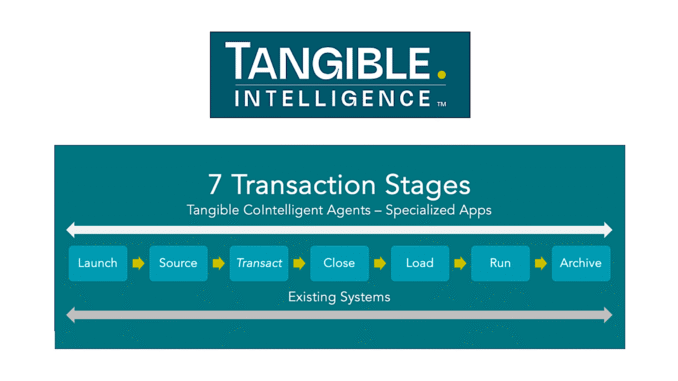
Tangible Intelligence has recently introduced its innovative CoIntelligent Platform, which is characterized as an agentic orchestration layer. This platform is designed to function in tandem with human reviewers, specifically targeting high-volume and recurring transactions that are commonplace within the legal and corporate sectors. Established in 2015, Tangible Intelligence positions itself as an Alternative Legal Service Provider (ALSP), catering to both corporate entities and law firms, thus emphasizing its commitment to a holistic operational framework.
The CoIntelligent Platform aims to streamline processes, particularly during vendor onboarding. By leveraging agentic orchestration, the platform autonomously manages various tasks, such as gathering requirements, document review, compliance flagging, and routing approvals. This approach is intended to minimize the duration of review and approval processes significantly, showcasing a transformative shift in operational efficiency.
The primary goal of the CoIntelligent Platform is to enhance operational efficiency by reducing the time associated with transaction reviews and approvals. This is achieved through a systematic orchestration of tasks that would otherwise be fragmented across different systems. Each agent within the platform operates autonomously, taking on routine responsibilities, making informed decisions, and escalating only non-standard issues to human experts. This strategic design allows for a more fluid work process, minimizing delays that typically occur due to siloed operations.
It is essential to note, however, that while the CoIntelligent Platform offers substantial advantages, its effectiveness is contingent upon the quality of the underlying data and the integration with existing systems. Organizations must be prepared to address potential challenges associated with data silos and system compatibility.
The emergence of generative AI technologies has sparked rapid evolution within the realm of Alternative Legal Service Providers (ALSPs). As the industry continues to adapt, the capabilities of platforms like Tangible Intelligence’s CoIntelligent Platform will likely expand, driven by advancements in machine learning and natural language processing. The integration of such technologies is expected to further refine operational efficiencies, enabling legal professionals to focus on higher-value tasks rather than administrative burdens.
Moreover, the rise of hybrid law firms, which blend traditional legal practices with innovative technological solutions, underscores a significant shift in the market landscape. As these developments unfold, legal professionals will need to remain agile, continuously adapting to the evolving interplay between technology and legal service delivery.
Disclaimer
The content on this site is generated using AI technology that analyzes publicly available blog posts to extract and present key takeaways. We do not own, endorse, or claim intellectual property rights to the original blog content. Full credit is given to original authors and sources where applicable. Our summaries are intended solely for informational and educational purposes, offering AI-generated insights in a condensed format. They are not meant to substitute or replicate the full context of the original material. If you are a content owner and wish to request changes or removal, please contact us directly.
Source link :