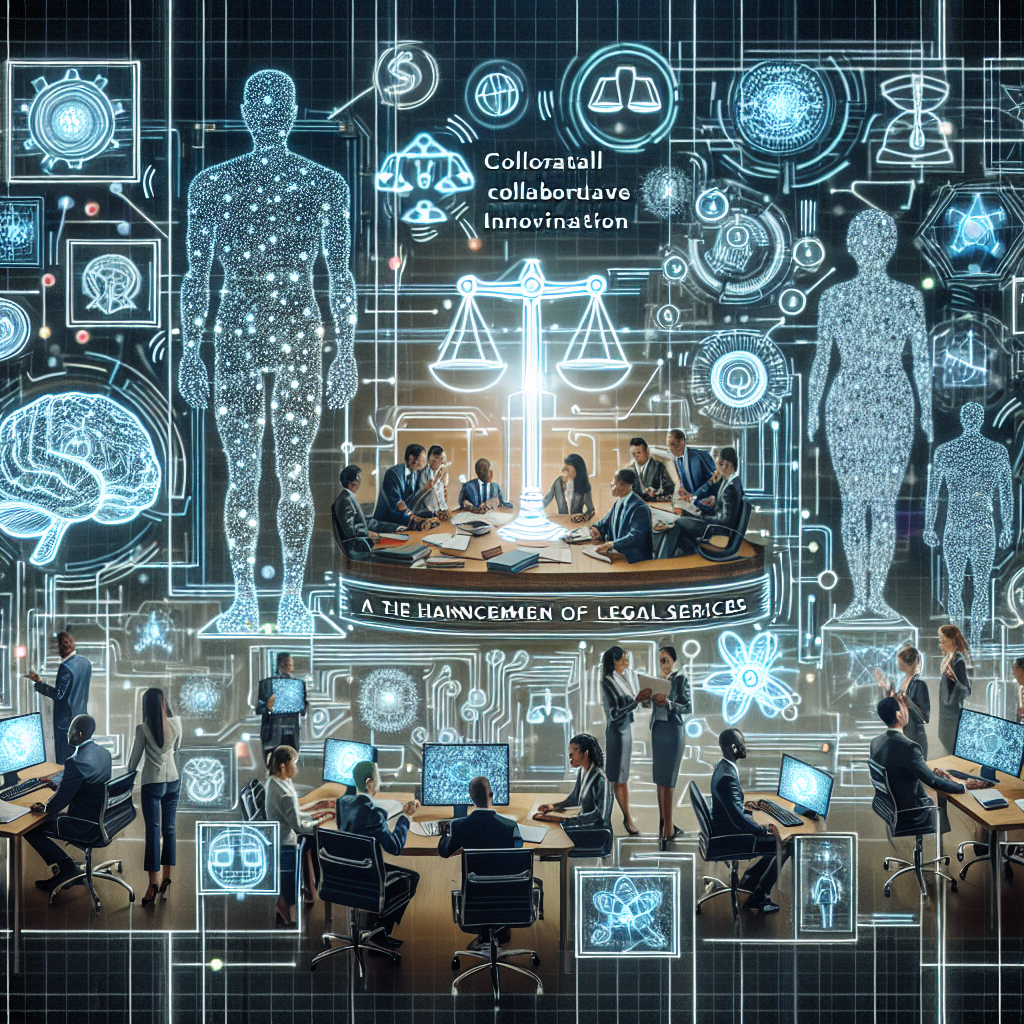
AI Insights from Silk Way TV Channel Guest Appearance

Context: The Intersection of AI and LegalTech

The recent discussion on the Silk Way TV Channel’s “New Time” segment highlights a pivotal moment in the discourse surrounding artificial intelligence (AI) and its implications within the LegalTech sector. The program, which broadcasts in multiple languages and reaches a global audience, serves as a platform for international dialogue and public diplomacy. This particular episode underscores the growing urgency for comprehensive AI regulation, a concern paralleled with issues of nuclear proliferation. Such discussions are not just theoretical; they resonate deeply within the legal profession, where the integration of AI technologies is rapidly transforming traditional practices.

Main Goal: Establishing Effective AI Regulation

The primary objective articulated during the segment is the necessity of establishing robust regulatory frameworks for AI technologies. As AI continues to proliferate across various sectors, including legal services, it is imperative that legal professionals engage in shaping policies that govern the ethical use of these technologies. Achieving this goal requires collaboration among legal experts, policymakers, and technologists to ensure that regulations are not only comprehensive but also adaptable to the fast-evolving landscape of AI.

Advantages of AI Regulation for Legal Professionals

  • Enhanced Ethical Standards: A clear regulatory framework can help establish ethical guidelines for the use of AI in legal practice, mitigating risks associated with bias and discrimination.
  • Increased Accountability: Regulations can create mechanisms for accountability, ensuring that AI systems are transparent and their outcomes can be audited by legal professionals.
  • Protection of Client Rights: Effective AI regulation safeguards client confidentiality and trust, which are paramount in the legal field, by enforcing standards for data handling and processing.
  • Encouragement of Innovation: A well-structured regulatory environment can foster innovation by providing legal professionals with a clear understanding of the boundaries within which they can operate, promoting the development of new AI-driven legal solutions.

While these advantages are compelling, it is important to recognize potential caveats. Over-regulation could stifle innovation, and therefore, a balanced approach is essential to maintain the dynamism in the LegalTech landscape.

Future Implications of AI in LegalTech

The future of AI in the legal profession is poised for significant transformation. As AI technologies become more sophisticated, their integration into legal processes will likely enhance efficiency in tasks such as legal research, document review, and case management. Additionally, the growing reliance on AI presents an opportunity for legal professionals to redefine their roles, focusing more on strategic advisory capacities rather than routine tasks. However, the evolution of AI will necessitate ongoing dialogue about its implications for legal practice, particularly regarding issues of ethics, accountability, and the safeguarding of client rights.

Disclaimer

The content on this site is generated using AI technology that analyzes publicly available blog posts to extract and present key takeaways. We do not own, endorse, or claim intellectual property rights to the original blog content. Full credit is given to original authors and sources where applicable. Our summaries are intended solely for informational and educational purposes, offering AI-generated insights in a condensed format. They are not meant to substitute or replicate the full context of the original material. If you are a content owner and wish to request changes or removal, please contact us directly.

Source link :

Click Here

How We Help

Our comprehensive technical services deliver measurable business value through intelligent automation and data-driven decision support. By combining deep technical expertise with practical implementation experience, we transform theoretical capabilities into real-world advantages, driving efficiency improvements, cost reduction, and competitive differentiation across all industry sectors.

We'd Love To Hear From You

Transform your business with our AI.

Get In Touch