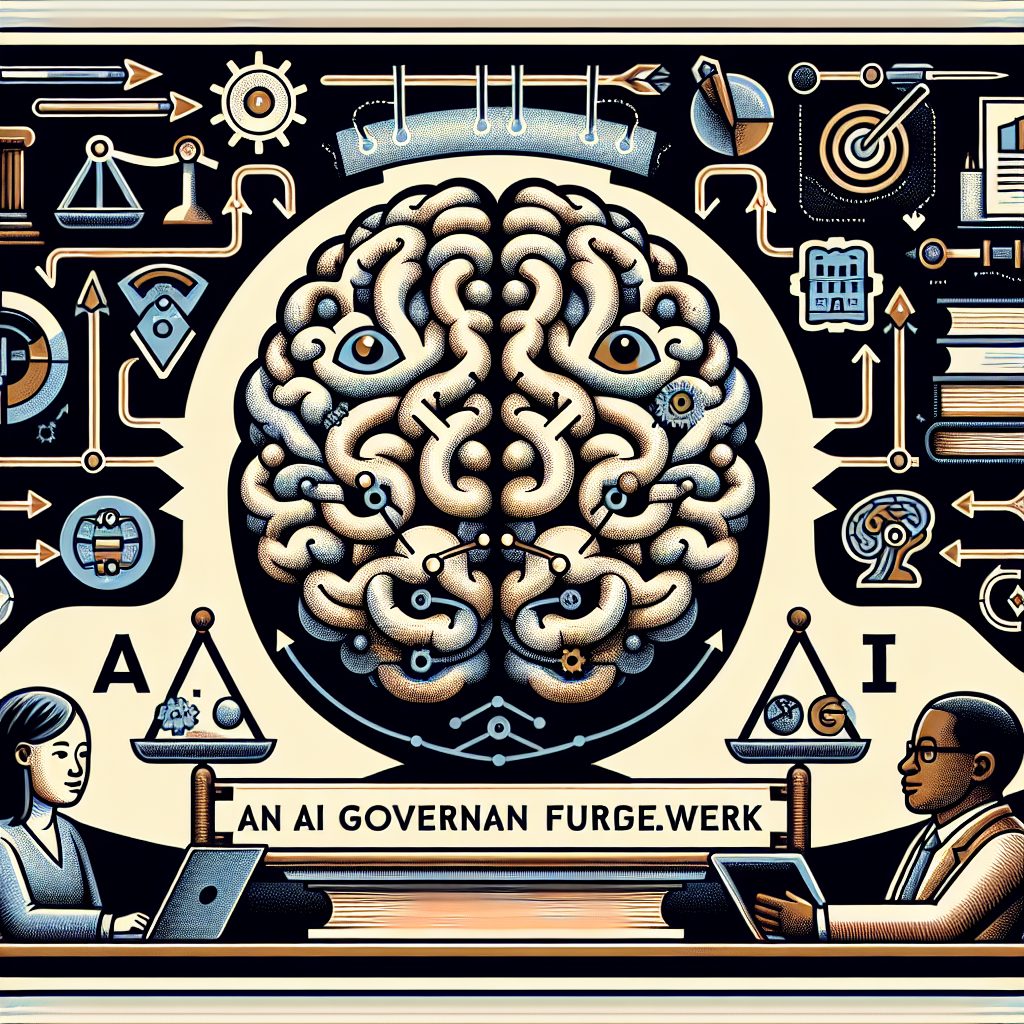
The intersection of artificial intelligence (AI) and legal governance has garnered significant attention, particularly in light of recent symposiums that bring together diverse stakeholders, such as legal practitioners, policy makers, and technologists. The inaugural AI Governance Symposium at Vanderbilt University served as a critical platform for discussing the varied interpretations of “governance” in the context of AI. Participants from different sectors offered distinct perspectives, sparking conversations that have led to new research avenues and educational opportunities. These interactions emphasize the importance of collaborative dialogue in shaping the future landscape of AI governance.
The primary goal highlighted in the original discussions was to establish a comprehensive framework for AI governance that accommodates the complexities of technological advancements while addressing legal and ethical considerations. Achieving this goal necessitates a multi-disciplinary approach that includes collaboration among law schools, legal firms, and technology developers. To facilitate this, the symposium created an environment for exchanging ideas that can lead to actionable policies and educational curricula. The emphasis on collaboration and co-creation among various stakeholders is crucial for developing a robust governance framework that is responsive to the fast-paced changes in AI technology.
While the discussions have laid a strong foundation, there are limitations to consider. The rapid pace of AI development often outstrips the ability of governance frameworks to adapt. Smaller firms may struggle with resource constraints, limiting their ability to engage with advanced AI tools. Additionally, there is a risk that governance policies may lag behind technological advancements, potentially leading to gaps in accountability and ethical considerations.
As AI technologies continue to evolve, their integration into legal practices will inevitably reshape the profession. Future developments may lead to a paradigm shift in how legal services are rendered, potentially reducing the need for traditional roles while creating demand for new skill sets. Legal professionals will increasingly need to be adept at understanding AI’s functionalities and implications, necessitating ongoing education and training. Furthermore, the rise of AI-first law firms could challenge existing business models, prompting a reevaluation of ownership structures and the nature of legal service delivery.
The dialogue initiated at the Vanderbilt AI Governance Symposium represents a significant step toward developing a cohesive framework for AI governance in the legal sector. By fostering collaboration among diverse stakeholders and embracing the complexities of AI integration, the legal profession can better prepare for the challenges and opportunities presented by technological advancements. Continuous engagement and adaptability will be essential as legal professionals navigate this evolving landscape.
Disclaimer
The content on this site is generated using AI technology that analyzes publicly available blog posts to extract and present key takeaways. We do not own, endorse, or claim intellectual property rights to the original blog content. Full credit is given to original authors and sources where applicable. Our summaries are intended solely for informational and educational purposes, offering AI-generated insights in a condensed format. They are not meant to substitute or replicate the full context of the original material. If you are a content owner and wish to request changes or removal, please contact us directly.
Source link :