Context of AI Adoption in Legal Aid Organizations
A recent study has illuminated the growing trend of artificial intelligence (AI) adoption within legal aid organizations, revealing that these nonprofits are integrating AI technologies at nearly twice the rate of their counterparts in the broader legal profession. This surge in adoption is primarily motivated by the pressing need to deliver legal services to underserved populations in America. Conducted by Everlaw in collaboration with the National Legal Aid & Defender Association (NLADA), Paladin, and LawSites, the survey found that 74% of legal aid organizations are utilizing AI in their operations, in stark contrast to the 37% adoption rate reported among general legal practitioners.
AI as a Solution to the Justice Gap
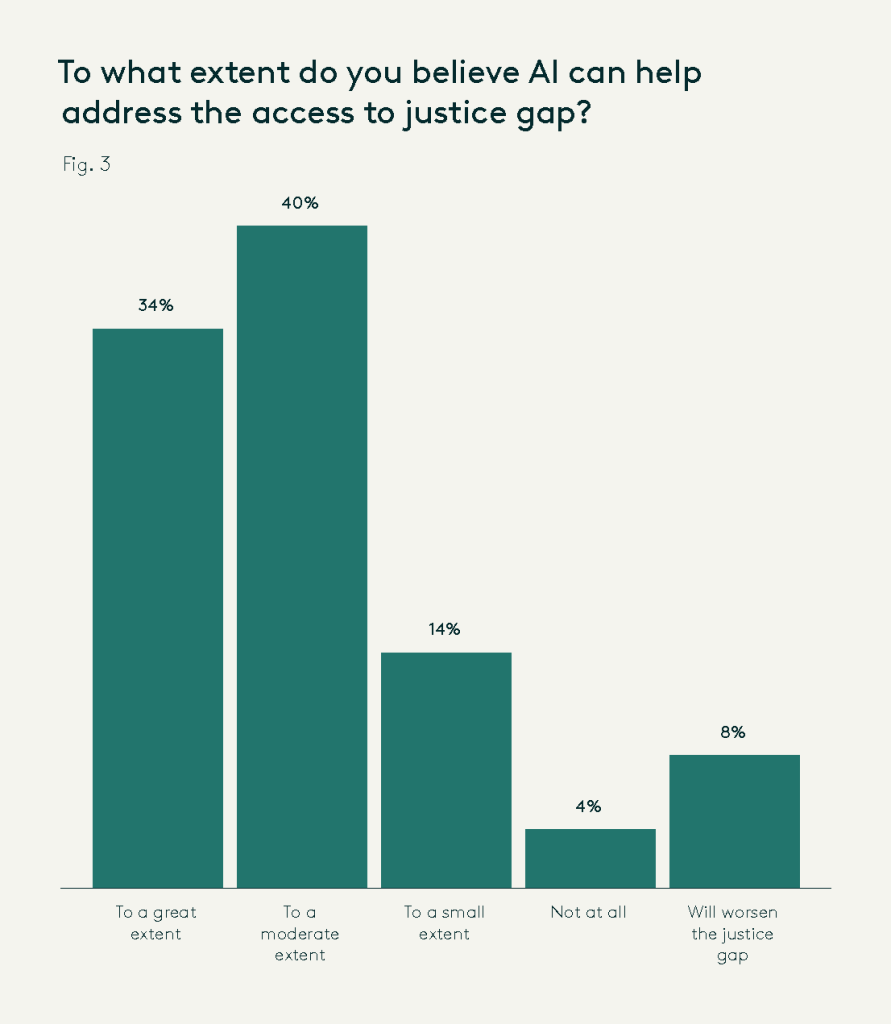
The study highlights a significant optimism among legal aid professionals regarding the role of AI in mitigating the access to justice gap. Notably, 88% of respondents believe that AI can contribute to addressing this gap, with 34% asserting that it can do so to a great extent. This optimistic perspective emerges within a context where 92% of civil legal issues faced by low-income individuals go unaddressed or inadequately addressed, placing the United States at a disappointing 107th position globally in terms of civil justice affordability and accessibility.
Main Goals and Achievement Strategies
The primary objective identified in the study is the enhancement of service delivery to underserved populations through the effective implementation of AI technologies. Achieving this goal involves leveraging AI to streamline legal processes, increase operational efficiency, and ultimately expand the capacity of legal aid organizations to serve more clients. This can be realized through targeted training, investment in AI tools tailored to legal needs, and establishing partnerships that enhance resource sharing among legal aid organizations.
Advantages of AI Adoption in Legal Aid Organizations
- Increased Client Capacity: The survey indicated that 90% of respondents believe that fully utilizing AI could enable them to serve more clients. Specific projections reveal that 46% of participants estimate they could assist 1-25% more clients, while 27% believe they could handle 26-50% more clients.
- Enhanced Operational Efficiency: AI tools are being employed for a variety of tasks, including document summarization, legal research, and translation services, indicating a marked increase in operational efficiency across legal aid organizations.
- Improved Access to Justice: AI is seen as a transformative tool that can help democratize access to legal information and services, thereby addressing systemic inequalities within the justice system.
However, it is important to note some caveats regarding AI implementation. Legal aid organizations face significant challenges, including data privacy concerns and the need for ethical compliance, which could hinder the effectiveness of AI applications.
Future Implications of AI Developments
The implications of AI advancements for legal aid organizations are profound. As AI technology evolves, it is likely to further enhance the capabilities of legal aid professionals, allowing them to manage complex caseloads more effectively. Additionally, the continued development of AI tools could lead to more widespread adoption across the legal landscape, ultimately contributing to a more equitable justice system. Legal professionals can expect to see a shift in how legal services are delivered, with AI serving as a crucial ally in the ongoing effort to bridge the justice gap.
Disclaimer
The content on this site is generated using AI technology that analyzes publicly available blog posts to extract and present key takeaways. We do not own, endorse, or claim intellectual property rights to the original blog content. Full credit is given to original authors and sources where applicable. Our summaries are intended solely for informational and educational purposes, offering AI-generated insights in a condensed format. They are not meant to substitute or replicate the full context of the original material. If you are a content owner and wish to request changes or removal, please contact us directly.
Source link :