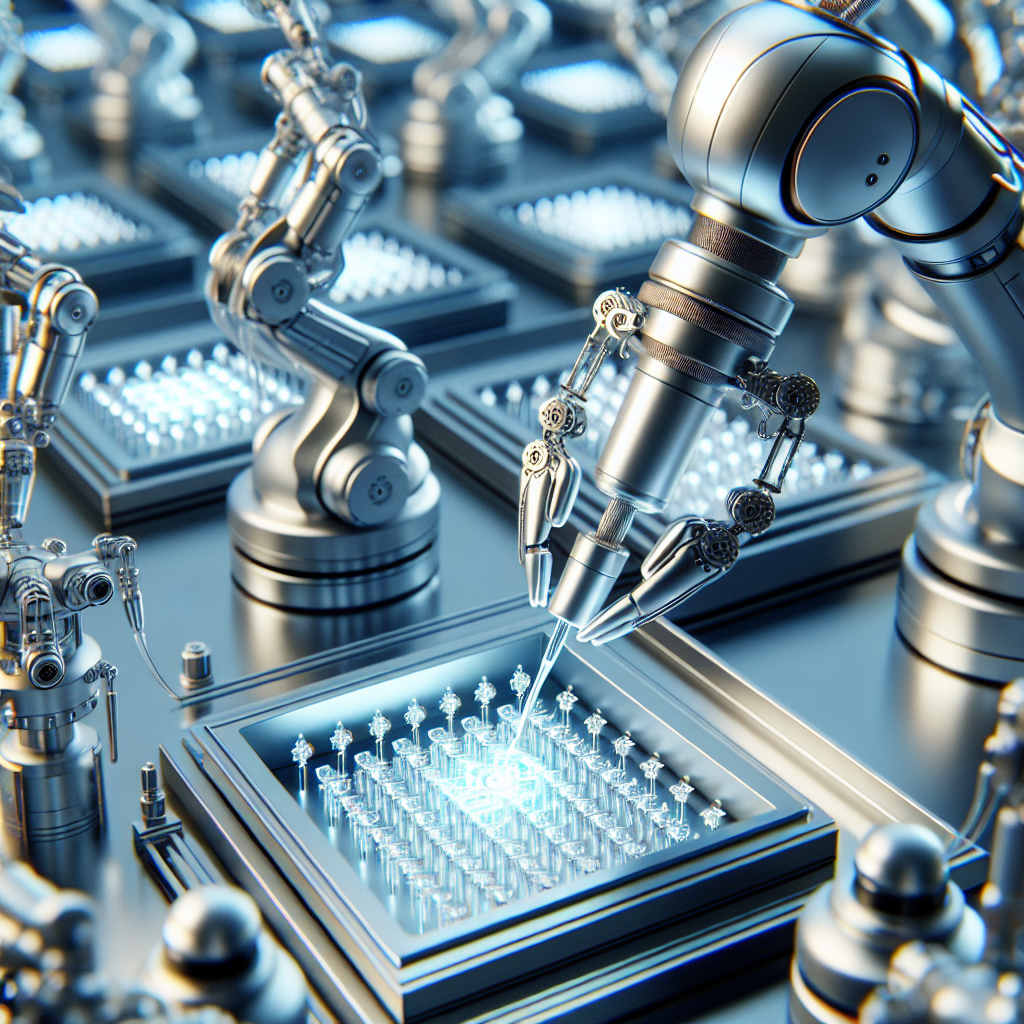
In recent years, the field of cell therapy has witnessed a significant transformation, paralleling advancements in the semiconductor industry. Multiply Labs, an innovative startup founded in 2016, is at the forefront of this revolution, utilizing robotics to enhance the efficiency and precision of cell therapy biomanufacturing. By automating labor-intensive and sterile processes, Multiply Labs aims to mitigate contamination risks and streamline production, ultimately democratizing access to life-saving therapies.
Multiply Labs exemplifies the integration of robotics and artificial intelligence (AI) within the biomanufacturing sector. The inception of this venture was inspired by the realization of the tedious and contamination-prone nature of traditional laboratory processes. The founders recognized a critical need for automation in environments where sterility and precision are paramount. The application of robotics in cell therapy manufacturing not only promises enhanced operational efficiency but also reflects a broader trend of digitization and automation within the healthcare landscape.
The primary objective of Multiply Labs is to automate cell therapy production, thereby improving the scalability and reliability of these complex treatments. This goal is achieved through the development of end-to-end robotic systems that utilize advanced technologies, including NVIDIA’s robotics simulation framework, Isaac Sim, and digital twin modeling. By training robots to replicate expert tasks and ensuring consistent sterile environments, Multiply Labs is poised to revolutionize the production of gene-modified cell therapies.
While the integration of robotics into cell therapy manufacturing presents numerous advantages, several limitations must be acknowledged. The initial capital investment for robotic systems can be substantial, potentially posing a barrier for smaller biotech firms. Furthermore, the technology is still evolving, and there may be challenges related to the adaptability of robotic systems to unique therapeutic processes. Lastly, reliance on automation may inadvertently lead to a devaluation of human expertise, which remains critical in troubleshooting and innovative thinking.
The trajectory of AI advancements suggests a future where cell therapy manufacturing becomes increasingly efficient and precise. As technologies such as generative AI continue to evolve, we can anticipate further enhancements in robotic capabilities, including real-time decision-making and autonomous process adjustments based on environmental feedback. The continued integration of AI will likely facilitate the development of more sophisticated therapies, enabling personalized medicine to reach larger populations.
Multiply Labs stands as a pivotal player in the intersection of robotics, AI, and cell therapy, driving a paradigm shift in biomanufacturing practices. By prioritizing automation and precision, the company is positioned to enhance the efficacy and accessibility of cell-based therapies. As the field progresses, the implications of these advancements will extend beyond manufacturing efficiency, potentially transforming patient care and treatment outcomes in the realm of regenerative medicine.
Disclaimer
The content on this site is generated using AI technology that analyzes publicly available blog posts to extract and present key takeaways. We do not own, endorse, or claim intellectual property rights to the original blog content. Full credit is given to original authors and sources where applicable. Our summaries are intended solely for informational and educational purposes, offering AI-generated insights in a condensed format. They are not meant to substitute or replicate the full context of the original material. If you are a content owner and wish to request changes or removal, please contact us directly.
Source link :