In the rapidly evolving landscape of digital marketing, the traditional approach to content creation, centered around keyword research, is becoming increasingly inadequate. While keyword analysis provides insights into search behavior, it fails to capture the underlying motivations and contextual needs of users. To enhance content effectiveness, marketers must pivot from a keyword-centric model to one that prioritizes audience situations, aligning content strategies with the genuine needs of potential customers. This shift is particularly pertinent in the context of AI-Powered Marketing, where understanding user intent is paramount.
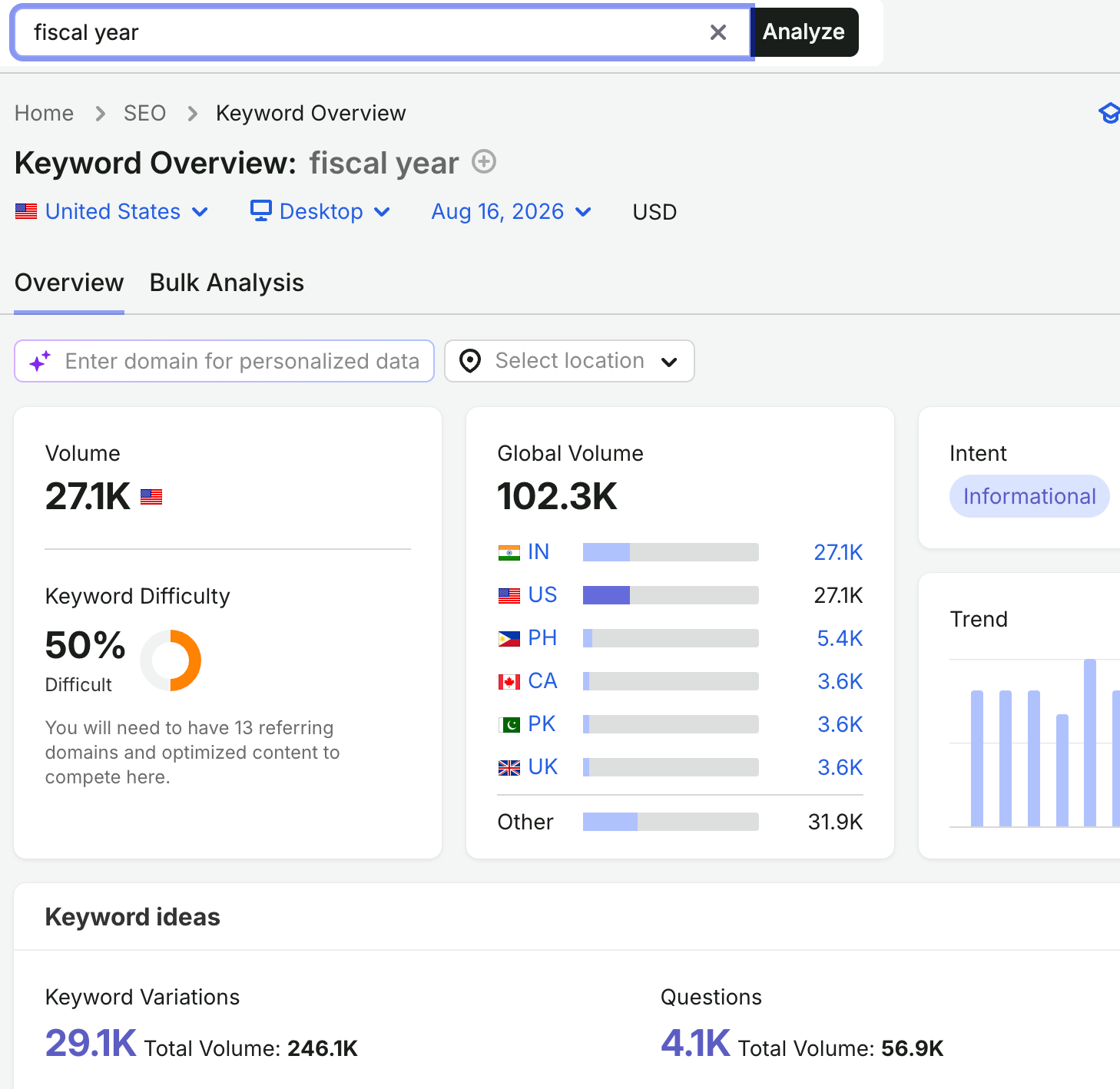
Traditional keyword research often results in superficial content that answers basic queries without addressing the complexities of user intent. This practice has led to an abundance of generic articles that fail to resonate with audiences, creating a disconnect between businesses and their potential clients. For instance, many businesses create content merely to rank for high-volume keywords, such as FAQs on basic topics, inadvertently positioning themselves against authoritative sources.
To avoid this pitfall, marketers should construct content briefs that are informed by the real-world situations in which their audience finds themselves. This approach emphasizes an understanding of the customer journey, focusing on the specific contexts that drive users to seek information. By exploring these scenarios, marketers can create more meaningful content that not only attracts attention but also fosters engagement and builds trust.
The primary goal of transitioning from keyword-focused briefs to audience-centric ones is to create content that effectively addresses the needs and concerns of potential customers. This can be achieved by employing a framework that incorporates the “7 W’s” as suggested by marketing expert Jenni Romaniuk. These guiding questions—Why, When, Where, While, With Whom, With/For What, and How Feeling—encourage marketers to delve deeper into the motivations behind user searches.
By leveraging insights from customer-facing teams such as sales and support, marketers can gather invaluable information that informs content creation. This integration of qualitative data into the content strategy ensures that the resulting materials are not only relevant but also resonate with the audience’s real experiences and challenges.
However, it is essential to note that this approach may require more upfront investment in terms of research and development compared to traditional keyword strategies. Additionally, marketers must be prepared to adapt their content continuously based on evolving audience preferences.
The integration of AI technologies in digital marketing will significantly influence the evolution of audience-centric content strategies. As AI continues to advance in understanding natural language and user intent, marketers will gain access to even richer insights into consumer behavior. This will not only streamline the content creation process but also enhance personalization efforts, allowing brands to craft narratives that resonate on a deeper level with their audiences.
Furthermore, the rise of conversational AI and chatbots is likely to shift the focus of search behavior from keywords to more nuanced inquiries. Marketers must adapt to this change by creating content that answers complex questions, reflecting the diverse situations users encounter. In doing so, businesses can maintain their relevance in an increasingly competitive digital landscape, ensuring they meet the demands of informed consumers.
In conclusion, the transition from keyword-centric content briefs to audience-focused strategies is not merely a trend but a necessary evolution in the field of digital marketing. By understanding the contextual needs of their audience and utilizing frameworks like the 7 W’s, marketers can create impactful content that drives engagement and builds brand loyalty. As AI technologies continue to develop, embracing this audience-centric approach will be crucial for businesses striving to stay relevant and competitive in the future.
Disclaimer
The content on this site is generated using AI technology that analyzes publicly available blog posts to extract and present key takeaways. We do not own, endorse, or claim intellectual property rights to the original blog content. Full credit is given to original authors and sources where applicable. Our summaries are intended solely for informational and educational purposes, offering AI-generated insights in a condensed format. They are not meant to substitute or replicate the full context of the original material. If you are a content owner and wish to request changes or removal, please contact us directly.
Source link :