Context and Overview
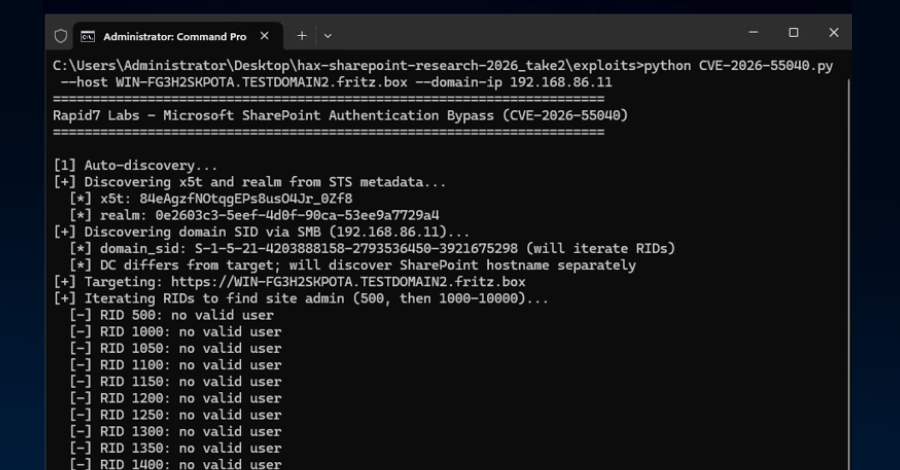
Recent developments in cybersecurity have highlighted the vulnerabilities inherent in widely-used platforms such as Microsoft SharePoint. Following the public release of a proof-of-concept (PoC) exploit, threat actors have begun to actively exploit a critical vulnerability identified as CVE-2026-55040. This vulnerability, which has a CVSS score of 9.1, represents a significant security feature bypass that originates from weak authentication mechanisms within SharePoint. The urgency surrounding this issue is underscored by Microsoft’s patch released as part of the July 2026 Patch Tuesday updates, aimed at mitigating the risks associated with this flaw.
Main Goal and Implementation
The primary goal highlighted in the original post is to raise awareness about the exploitation of CVE-2026-55040 and to emphasize the necessity for organizations to promptly implement security patches. Successful mitigation of this vulnerability can be achieved through a robust update management policy that ensures all systems remain current with the latest security patches. Organizations are encouraged to frequently monitor their systems and apply updates as soon as they are available to prevent unauthorized access and potential data breaches.
Advantages of Proactive Cybersecurity Measures
- Enhanced Security Posture: By implementing the latest security patches, organizations can substantially reduce their risk exposure to known vulnerabilities.
- Data Integrity Protection: Addressing identified flaws minimizes the chances of unauthorized data access or modification, thereby safeguarding sensitive information.
- Reduction in Exploitation Risks: The rapid abuse of vulnerabilities following public disclosures demonstrates the need for immediate action. Organizations that prioritize timely updates can deter potential attacks.
- Improved Compliance: Regular patching aligns with various regulatory requirements, ensuring organizations maintain compliance with industry standards and legal frameworks.
- Long-term Cost Savings: Investing in proactive cybersecurity measures can prevent the financial and reputational costs associated with data breaches, which can be exceedingly high.
Future Implications of AI in Cybersecurity
The integration of artificial intelligence (AI) in cybersecurity presents both opportunities and challenges in addressing vulnerabilities such as CVE-2026-55040. AI technologies can enhance threat detection capabilities, enabling organizations to identify and respond to exploitation attempts in real-time. Furthermore, AI can facilitate the automation of security patch management, allowing for quicker adaptation to emerging threats.
However, the same AI advancements can be leveraged by threat actors to develop more sophisticated attacks. As AI technologies continue to evolve, cybersecurity experts will need to remain vigilant and adapt their strategies to counteract the capabilities of malicious actors. The ongoing development of AI tools for threat simulation and vulnerability assessment will be crucial in shaping the future landscape of cybersecurity.
Disclaimer
The content on this site is generated using AI technology that analyzes publicly available blog posts to extract and present key takeaways. We do not own, endorse, or claim intellectual property rights to the original blog content. Full credit is given to original authors and sources where applicable. Our summaries are intended solely for informational and educational purposes, offering AI-generated insights in a condensed format. They are not meant to substitute or replicate the full context of the original material. If you are a content owner and wish to request changes or removal, please contact us directly.
Source link :