Impact of the Iran Conflict on Chinese Airlines Compared to Global Competitors

Contextualizing the Impact of Geopolitical Tensions on Airline Economics

The recent geopolitical tensions stemming from the ongoing conflict in Iran have had profound implications for various sectors, particularly the aviation industry. Chinese airlines have experienced disproportionate financial strain compared to their global counterparts, primarily due to a confluence of factors that exacerbate their vulnerability. The surge in jet fuel prices—a direct result of military actions initiated by the U.S. and Israel—coupled with the competitive pressures posed by China’s expanding high-speed rail infrastructure, has created a challenging operational environment for these carriers. Unlike many international airlines that employ sophisticated hedging strategies to mitigate fuel price volatility, Chinese airlines remain largely unhedged, intensifying their susceptibility to escalating fuel costs. This situation has culminated in significant market share losses and a projected combined net loss for major Chinese carriers in 2026.

Main Goal: Mitigating Financial Vulnerabilities in the Aviation Sector

The primary objective for Chinese airlines in the wake of these challenges is to develop robust strategies to mitigate financial vulnerabilities associated with fuel price volatility and competitive market pressures. Achieving this goal necessitates the implementation of comprehensive risk management frameworks, including increased fuel hedging activities and innovative pricing strategies. By adopting these measures, airlines can better insulate themselves from external shocks and maintain operational viability.

Advantages of Implementing Strategic Changes

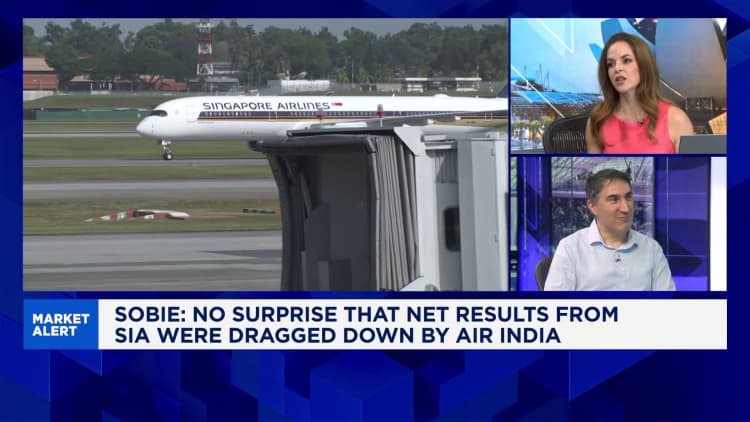
  • Reduced Exposure to Fuel Price Fluctuations: By engaging in fuel hedging, airlines can stabilize their fuel costs, enabling more predictable financial forecasting and budgeting. This approach has been successfully employed by airlines such as Singapore Airlines, which reported substantial gains from fuel hedging.
  • Enhanced Pricing Power: Implementing dynamic pricing strategies can allow airlines to better manage fare increases without excessively burdening consumers. This is particularly vital in a price-sensitive domestic market where demand could be easily eroded.
  • Increased Competitive Edge: As the rail network expands, airlines that strategically position themselves through superior customer service and innovative offerings may retain market share against the growing high-speed rail alternatives.
  • Financial Resilience: State-owned enterprises may leverage government backing to raise equity and support balance sheets, reducing bankruptcy risks amidst financial turmoil.

Caveats and Limitations

While there are clear advantages to implementing these strategies, certain limitations must be acknowledged. The inherent volatility of oil prices means that even well-hedged airlines can face financial distress in cases of extreme market fluctuations. Additionally, the competitive landscape is continually evolving, with aggressive fare pricing potentially leading to ‘demand destruction’ if airlines over-rely on fuel surcharges.

Future Implications of AI in the Aviation Industry

The integration of artificial intelligence (AI) technologies will significantly shape the future of the aviation industry. AI’s capabilities in predictive analytics can enhance operational efficiencies by better forecasting fuel needs and optimizing fuel purchasing strategies. Moreover, AI can revolutionize customer service through personalized experiences and streamlined booking processes, further enhancing revenue streams. As AI continues to evolve, its application in financial modeling and risk assessment will empower airlines to make informed decisions that mitigate financial vulnerabilities, ultimately leading to a more resilient aviation sector.

Disclaimer

The content on this site is generated using AI technology that analyzes publicly available blog posts to extract and present key takeaways. We do not own, endorse, or claim intellectual property rights to the original blog content. Full credit is given to original authors and sources where applicable. Our summaries are intended solely for informational and educational purposes, offering AI-generated insights in a condensed format. They are not meant to substitute or replicate the full context of the original material. If you are a content owner and wish to request changes or removal, please contact us directly.

Source link :

Click Here

How We Help

Our comprehensive technical services deliver measurable business value through intelligent automation and data-driven decision support. By combining deep technical expertise with practical implementation experience, we transform theoretical capabilities into real-world advantages, driving efficiency improvements, cost reduction, and competitive differentiation across all industry sectors.

We'd Love To Hear From You

Transform your business with our AI.

Get In Touch