Contextualizing Data Utilization in Agriculture
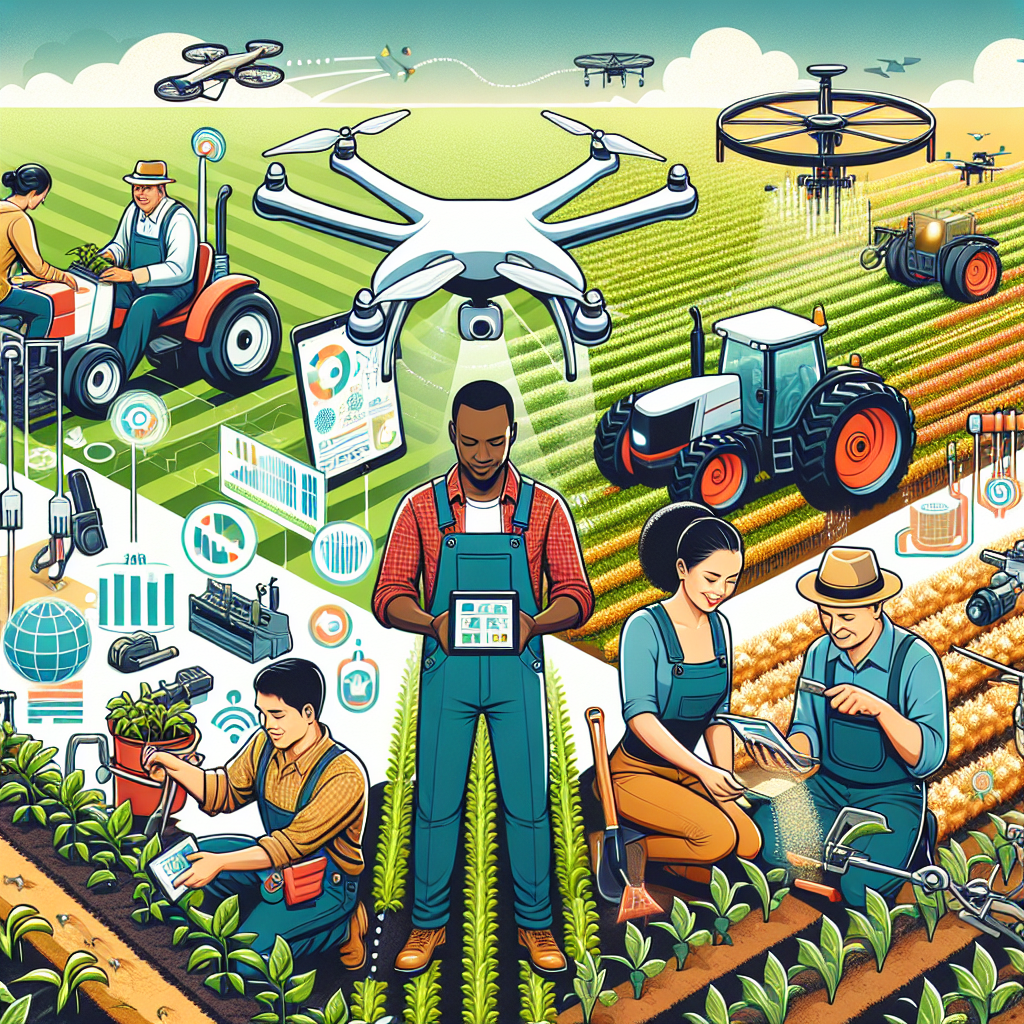
The discourse surrounding the integration of artificial intelligence and machine learning in agriculture often overshadows a critical underlying issue: the prevalent reluctance among farmers to engage with data-driven methodologies—a phenomenon aptly termed “data phobia.” This reluctance stems not from a lack of intelligence or willingness, but rather from a systemic gap in education regarding data’s intrinsic value and utility. Within the agricultural sector, many practitioners continue to rely on intuition and traditional practices, thus stifling the potential for enhanced productivity and innovation.
This inertia is exacerbated by the historical absence of structured education that elucidates what data entails, how it functions, and its significant role in decision-making processes. Consequently, addressing this data phobia transcends mere technical solutions; it necessitates a comprehensive approach to foster a culture of data literacy and analytical thinking among agricultural stakeholders.
Main Goal and Pathways to Achievement
The primary objective articulated in the original content is to dismantle the barriers of data phobia within the agricultural community. Achieving this goal involves a systematic effort to educate farmers and agronomists on the principles of data interpretation, statistical analysis, and the implications of data-driven decision-making. By empowering these stakeholders with foundational knowledge in data literacy, the agriculture sector can unlock the potential for substantial productivity gains and more sustainable practices.
Advantages of Overcoming Data Phobia
- Enhanced Decision-Making: Farmers equipped with data literacy can make informed decisions based on measurable evidence, leading to improved crop yields and resource management.
- Increased Nutritional Value: Understanding the relationship between farming practices and nutritional outcomes enables growers to optimize methods that enhance food quality.
- Collaboration and Innovation: A culture of data fluency fosters collaboration among stakeholders, driving innovation and the development of more effective agricultural technologies.
- Consumer Trust: By demonstrating a commitment to data-driven practices, agricultural producers can enhance consumer confidence in the nutritional quality of their products.
- Cost Efficiency: Data-informed practices can reduce waste and improve operational efficiency, leading to lower production costs and increased profitability.
However, it is essential to acknowledge that the transition to a data-driven culture must be approached with caution. The introduction of new technologies without adequate training can lead to confusion and mistrust among farmers, potentially exacerbating existing challenges rather than alleviating them.
Future Implications of AI Developments
The future landscape of agriculture is poised for transformation through the continued advancement of artificial intelligence and machine learning technologies. As these tools become more integrated into farming practices, the demand for data literacy will only intensify. AI has the potential to analyze vast datasets and produce actionable insights that can revolutionize farming methodologies. However, for farmers to fully leverage these advancements, they must first overcome their apprehension towards data.
Furthermore, the evolution of AI in agriculture will necessitate ongoing education and training programs that are not vendor-specific but rather focus on cultivating a broad understanding of data principles. This approach will empower farmers to interpret AI-generated insights critically and apply them effectively in their operations, ultimately leading to a more resilient and sustainable agricultural system.
Disclaimer
The content on this site is generated using AI technology that analyzes publicly available blog posts to extract and present key takeaways. We do not own, endorse, or claim intellectual property rights to the original blog content. Full credit is given to original authors and sources where applicable. Our summaries are intended solely for informational and educational purposes, offering AI-generated insights in a condensed format. They are not meant to substitute or replicate the full context of the original material. If you are a content owner and wish to request changes or removal, please contact us directly.
Source link :