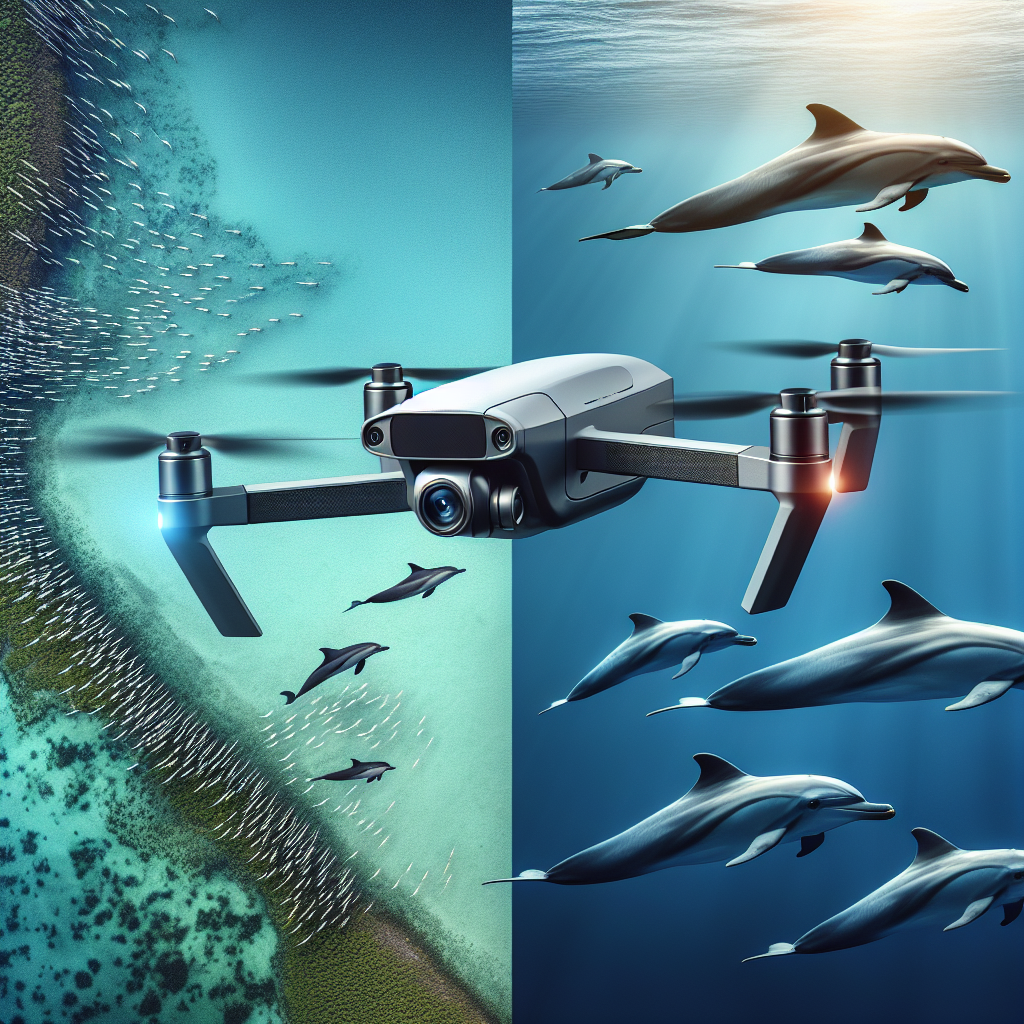
The Māui dolphin, characterized by its small size and distinctive rounded dorsal fin, represents one of the rarest and most endangered marine mammal species, with a critically low known population of merely 54 individuals. This sub-species has faced severe threats due to detrimental fishing practices, particularly gillnetting along the west coast of New Zealand, leading to its precarious status. Recent advancements in technology, particularly the integration of artificial intelligence (AI) and drone technology, are being harnessed by scientists and conservationists to gather essential data about these elusive creatures. The strategic application of these technologies not only targets the preservation of the Māui dolphin but also exemplifies a broader trend in environmental conservation efforts aimed at utilizing AI and machine learning (ML) to combat species extinction.
The primary objective of the collaborative efforts led by the not-for-profit organization MAUI63 is to enhance the understanding and conservation of the Māui dolphin population. This goal is pursued through the development and deployment of AI-powered drones capable of efficiently locating, tracking, and identifying individual dolphins. By leveraging machine learning algorithms and high-resolution imaging, the initiative aims to provide robust data that can inform conservation strategies and decision-making processes. Furthermore, the integration of cloud computing services facilitates the storage, analysis, and sharing of vital ecological data.
The implications of utilizing AI and drone technology in conservation are profound, suggesting a transformative shift in how species monitoring and protection are approached. As machine learning techniques continue to evolve, their applications in wildlife conservation are expected to expand, potentially encompassing a wider array of endangered species. Future projects may include more comprehensive ecological monitoring systems that integrate various data sources, such as environmental sensors and satellite imagery. This technological synergy could lead to enhanced predictive modeling capabilities, thereby enabling proactive conservation measures. Moreover, as the methodologies developed for the Māui dolphin project prove successful, they may serve as templates for global conservation initiatives, potentially influencing policy at international levels.
The integration of AI and drone technology in studying and conserving the Māui dolphin illustrates the potential of modern technology to address critical environmental challenges. While this initiative is still in its early stages, the promising results underscore the importance of collaborative efforts in leveraging technology for conservation purposes. By continuing to refine these techniques and expanding their application to other species, the conservation community can enhance its capacity to combat extinction effectively.
Disclaimer
The content on this site is generated using AI technology that analyzes publicly available blog posts to extract and present key takeaways. We do not own, endorse, or claim intellectual property rights to the original blog content. Full credit is given to original authors and sources where applicable. Our summaries are intended solely for informational and educational purposes, offering AI-generated insights in a condensed format. They are not meant to substitute or replicate the full context of the original material. If you are a content owner and wish to request changes or removal, please contact us directly.
Source link :