The Scientific Advancements of Holography: Insights from OSCCA

Contextual Overview of Holography in Computer Vision

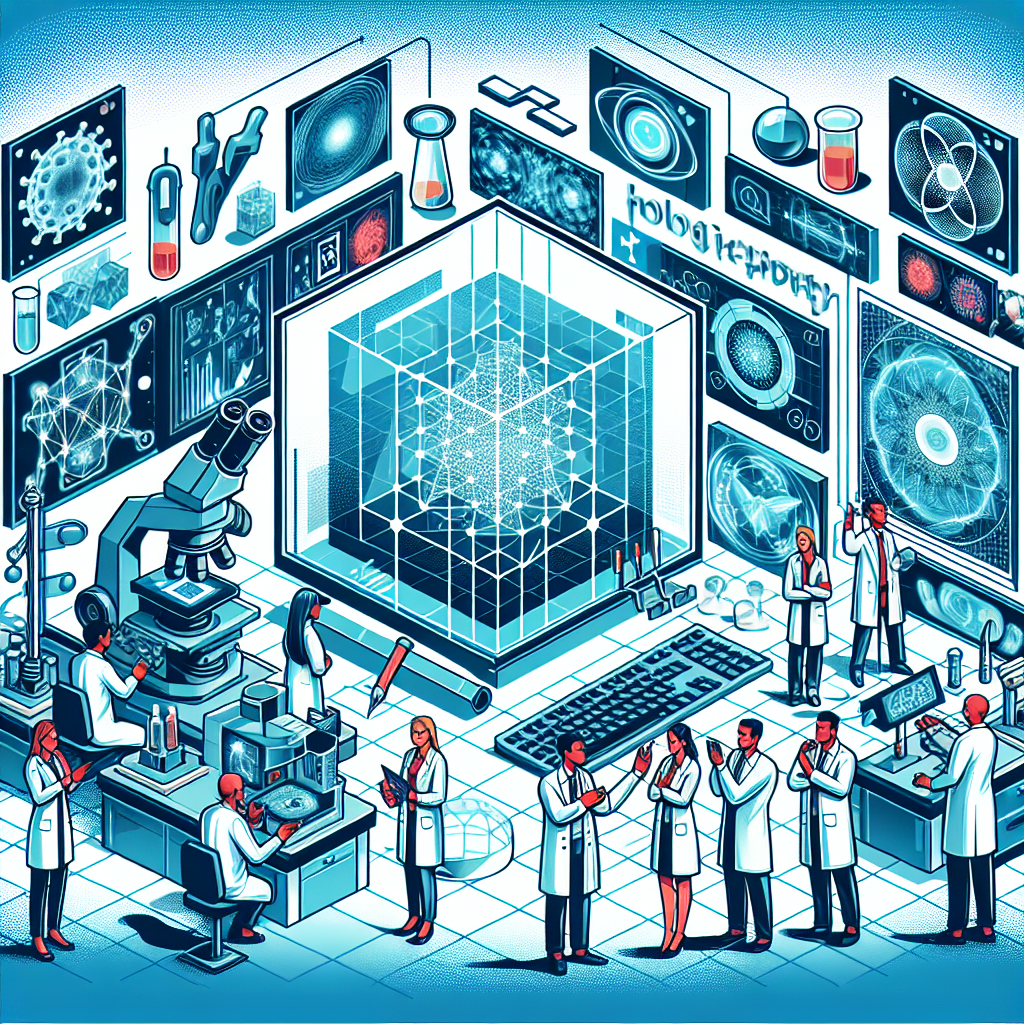
The concept of holography, once relegated to the realms of science fiction, has begun to manifest itself in tangible applications that promise to revolutionize the fields of computer vision and image processing. Pioneering efforts in this domain are exemplified by the work of Shawn Frayne, co-founder and CEO of Looking Glass Factory. With over two decades of dedication, Frayne has successfully developed holographic displays that facilitate immersive experiences without the necessity of headgear or dark environments. This breakthrough technology allows multiple users to engage with three-dimensional holographic content in a shared space, thus democratizing access to advanced visualizations.

Main Goal and Achievement Pathways

The primary objective of this technological advancement is to create a seamless interface for interacting with 3D holograms, thereby enhancing user engagement and understanding. This is particularly relevant to professionals in the fields of computer vision and image processing, as it enables richer data interpretation and presentation. Achieving this goal requires ongoing collaboration among experts in computer vision, artificial intelligence, and display technologies, as well as active participation in forums like OSCCA, where thought leaders converge to discuss innovations and their implications.

Advantages of Holographic Displays

  • Enhanced User Interaction: Holographic displays permit multiple viewers to interact with 3D content simultaneously, fostering collaborative environments that are critical in research and education.
  • Elimination of Physical Barriers: The absence of glasses or headgear eliminates discomfort and allows for spontaneous engagement, making the technology more accessible to a broader audience.
  • Integration of AI and Computer Vision: The convergence of AI with holographic technology enables real-time processing of visual data, which can significantly enhance the capabilities of computer vision applications.
  • Innovative Communication Tools: This technology serves as a powerful medium for presenting complex data sets in a more intuitive manner, facilitating better understanding and retention among users.

However, it is crucial to acknowledge certain limitations associated with this technology. The initial cost of implementation and the need for specialized content creation tools may pose barriers to widespread adoption. Additionally, as with any emerging technology, continuous advancements are necessary to keep pace with user expectations and application requirements.

Future Implications of AI in Holography

The future of holographic technology in conjunction with artificial intelligence holds significant promise. As AI algorithms become more sophisticated, they will enhance the interactivity and realism of holographic displays, enabling predictive analytics and deeper insights into visual data. The anticipated developments in this sphere are likely to catalyze advancements in various applications, including medical imaging, education, and industrial design. Vision scientists and researchers will find themselves at the forefront of this evolution, leveraging these tools to push the boundaries of what is possible in visual representation and interpretation.

Disclaimer

The content on this site is generated using AI technology that analyzes publicly available blog posts to extract and present key takeaways. We do not own, endorse, or claim intellectual property rights to the original blog content. Full credit is given to original authors and sources where applicable. Our summaries are intended solely for informational and educational purposes, offering AI-generated insights in a condensed format. They are not meant to substitute or replicate the full context of the original material. If you are a content owner and wish to request changes or removal, please contact us directly.

Source link :

Click Here

How We Help

Our comprehensive technical services deliver measurable business value through intelligent automation and data-driven decision support. By combining deep technical expertise with practical implementation experience, we transform theoretical capabilities into real-world advantages, driving efficiency improvements, cost reduction, and competitive differentiation across all industry sectors.

We'd Love To Hear From You

Transform your business with our AI.

Get In Touch