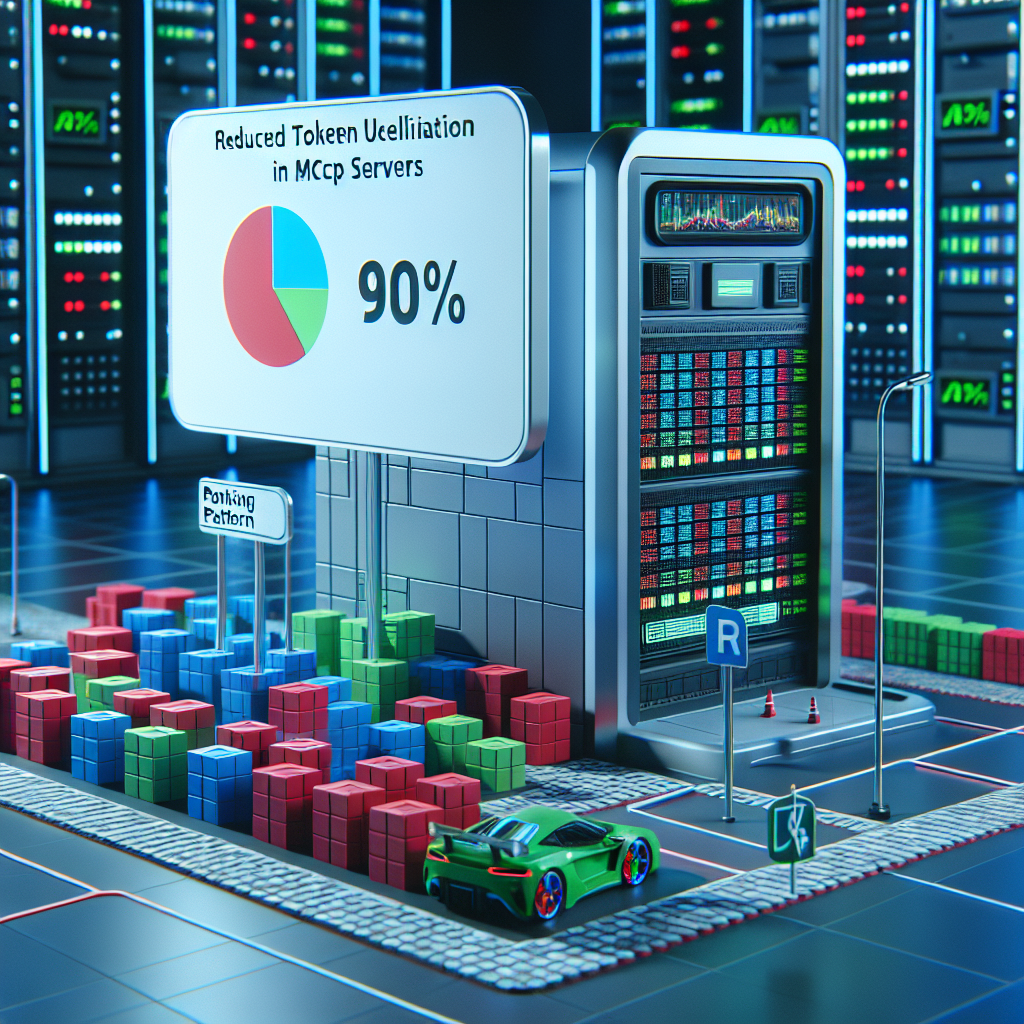
In the realm of artificial intelligence, particularly within the Computer Vision and Image Processing sectors, the efficient utilization of computational resources is paramount. The original discourse on “Cutting Self-Built MCP Server Token Usage by 90% — The Parking Pattern” unveils a critical concern: the unexpected high token consumption associated with Multi-Channel Processing (MCP) servers. These servers are integral to AI operations, serving as conduits for data exchange in AI-driven applications. This article extrapolates the principles discussed in the original post and elucidates their implications for Vision Scientists, who require optimized data processing workflows.
The primary objective articulated in the original post is to significantly reduce the token consumption of self-built MCP servers, which can inflate due to naive implementations that involve transferring large data sets directly through the communication channels. By adopting a strategic approach that involves transferring only metadata or reference keys instead of bulk data, organizations can drastically minimize the computational load. This optimization not only enhances efficiency but also ensures a more stable and robust AI application deployment.
While the proposed strategies offer substantial benefits, certain limitations must be acknowledged:
The evolution of AI technologies, particularly in Computer Vision and Image Processing, will undoubtedly lead to more sophisticated and efficient data handling methodologies. As AI systems become increasingly integrated into various sectors, the need for optimized resource management will become even more critical. Future advancements may include enhanced algorithms that automatically adjust data processing methods based on real-time analysis of token consumption and system performance. Furthermore, the integration of AI with cloud-based solutions will likely facilitate seamless data access and manipulation, paving the way for innovative applications in image analysis, automation, and visualization.
In conclusion, the insights gained from optimizing token usage in MCP servers present a compelling case for their adoption within the Computer Vision and Image Processing domains. By strategically transferring data in a more efficient manner, organizations can enhance their AI capabilities while managing operational costs effectively. The implications of these practices extend beyond mere token savings; they contribute to a more effective and secure framework for data analysis, ultimately benefiting Vision Scientists and their critical work in advancing the field.
Disclaimer
The content on this site is generated using AI technology that analyzes publicly available blog posts to extract and present key takeaways. We do not own, endorse, or claim intellectual property rights to the original blog content. Full credit is given to original authors and sources where applicable. Our summaries are intended solely for informational and educational purposes, offering AI-generated insights in a condensed format. They are not meant to substitute or replicate the full context of the original material. If you are a content owner and wish to request changes or removal, please contact us directly.
Source link :