Context: The Shift to an Agent-First Enterprise
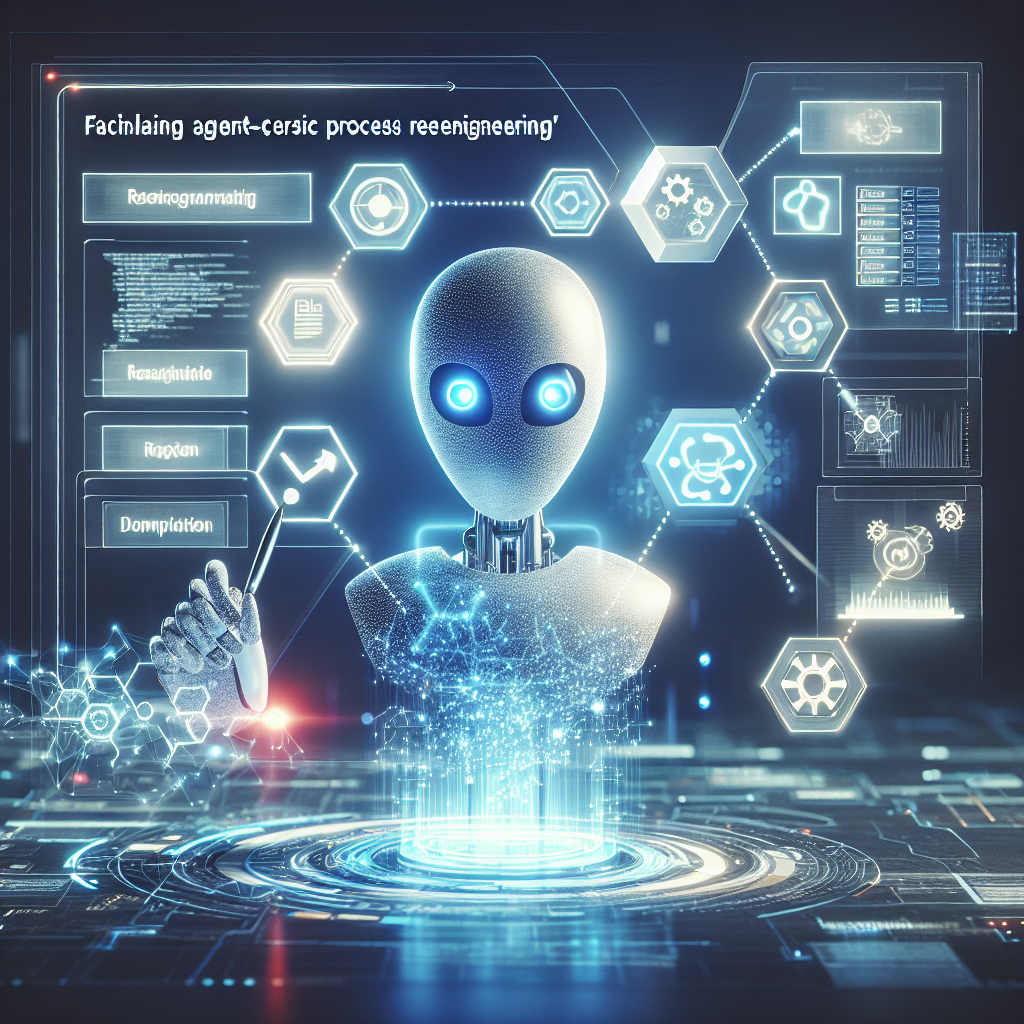
In the evolving landscape of artificial intelligence (AI), organizations are increasingly adopting an agent-first model wherein AI systems take charge of operational processes, while human operators focus on strategic goals, policy formulation, and exception management. This paradigm shift necessitates a reconfiguration of the operating model, where humans are seen as governors and AI agents as operators, as articulated by Scott Rodgers, the global chief architect and U.S. CTO of the Deloitte Microsoft Technology Practice.
The Agent-First Imperative
As technology budgets for AI are anticipated to surge by over 70% in the coming two years, AI agents, particularly those powered by generative AI, are on the brink of revolutionizing organizational efficiency. This transition not only promises substantial performance enhancements but also reallocates human resources toward more valuable and cognitively demanding tasks. The rapid advancement of AI technology suggests that reliance on static automation techniques will yield only marginal gains. To leverage the full potential of AI, organizations must cultivate machine-readable process definitions and explicit policy constraints, which are essential for the seamless functioning of autonomous systems.
Main Goal and Its Achievement
The central objective within this agent-first framework is to enable organizations to achieve nonlinear performance improvements through the integration of AI agents in their workflows. To realize this goal, companies must shift their focus from temporary pilot projects to implementing comprehensive agent-centric operational models. This requires a thorough understanding of the economic drivers of the business, including cost-to-serve and per-transaction expenses, thus allowing executives to prioritize AI initiatives that maximize value creation and efficiency.
Advantages of an Agent-First Approach
- Enhanced Operational Efficiency: By automating routine and repetitive tasks, organizations can significantly increase their operational efficiency, allowing employees to concentrate on higher-level strategic initiatives.
- Improved Collaboration: The integration of AI agents fosters a collaborative environment where human operators can make informed decisions more swiftly, promoting a culture of teamwork and innovation.
- Accelerated Decision-Making: AI-driven processes facilitate faster decision-making, as data flows are structured and easily accessible, thus enabling organizations to respond promptly to market changes.
- Secured Modernization: Organizations can modernize their operations without compromising enterprise security, as AI systems are capable of navigating complex security protocols while managing workflows.
Future Implications of AI Developments
The trajectory of AI advancements suggests that organizations adopting an agent-first approach will not only enhance their internal processes but also gain a competitive edge in the market. As AI technology continues to evolve, organizations that embrace this model will likely experience transformative changes in their operational frameworks, paving the way for innovative business practices. The challenge will lie in ensuring that both AI systems and human operators can effectively collaborate, creating a synergistic relationship that optimizes performance and drives growth.
Disclaimer
The content on this site is generated using AI technology that analyzes publicly available blog posts to extract and present key takeaways. We do not own, endorse, or claim intellectual property rights to the original blog content. Full credit is given to original authors and sources where applicable. Our summaries are intended solely for informational and educational purposes, offering AI-generated insights in a condensed format. They are not meant to substitute or replicate the full context of the original material. If you are a content owner and wish to request changes or removal, please contact us directly.
Source link :