Utilizing Artificial Intelligence as an Augmentative Tool in Agricultural Practices

Contextualizing AI in Agriculture

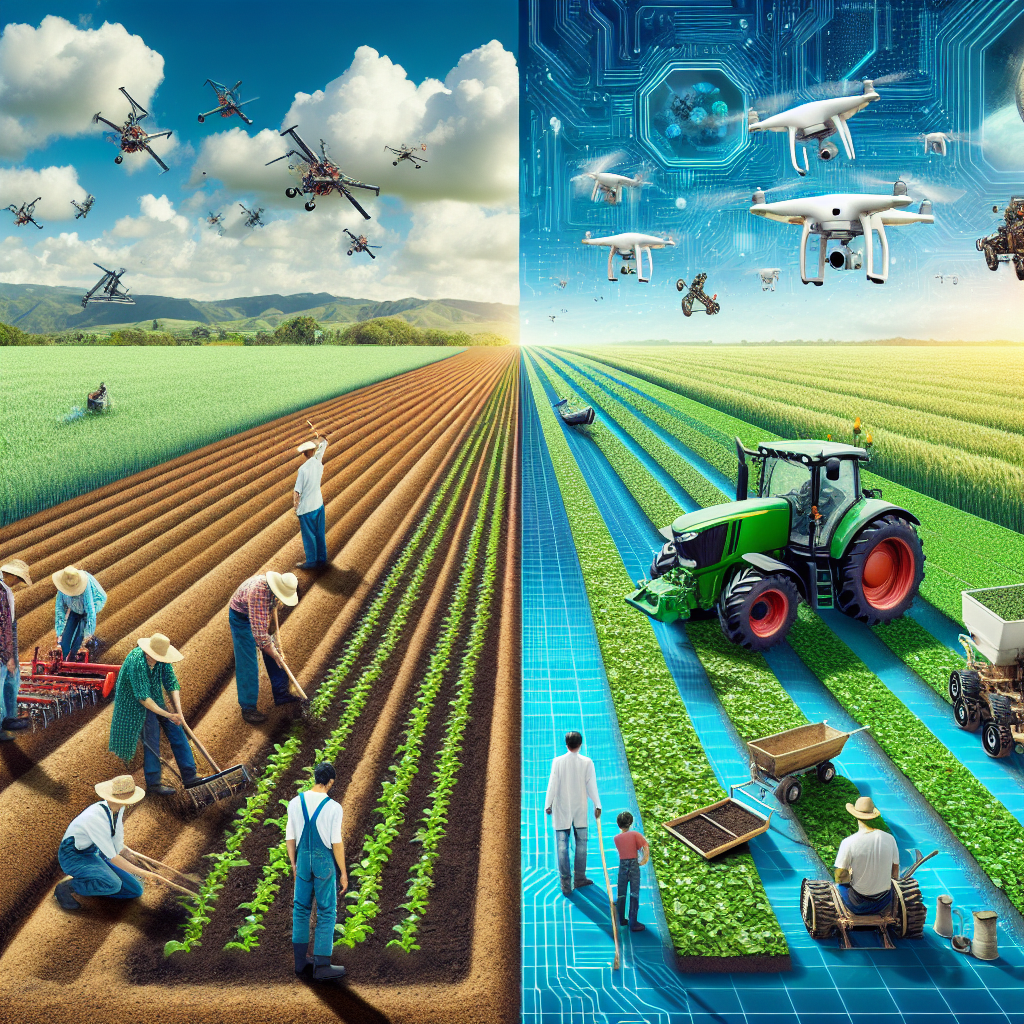
Artificial intelligence (AI) has become an omnipresent topic across various sectors, including agriculture. Its implications are often discussed in mainstream media, where the narrative frequently suggests that AI may replace human operators. However, a significant number of industry experts argue that AI should be viewed as a complementary tool designed to enhance human productivity rather than a replacement for human labor. Within the agricultural community, this perspective is increasingly gaining traction as stakeholders recognize the potential of AI to improve operational efficiency.

Understanding the Primary Goal

The central goal emerging from the discourse on AI in agriculture is to leverage AI technologies as tools that empower human operators, rather than viewing them as autonomous solutions. This can be achieved through a structured approach that involves integrating AI into the workflow of agricultural professionals, thereby enhancing their ability to make informed decisions. This symbiotic relationship allows human expertise to guide AI applications, ensuring that technology serves to augment rather than supplant human input.

Advantages of AI as a Human Tool in Agriculture

  • Enhanced Decision-Making: AI can analyze vast amounts of data quickly, providing actionable insights that agronomists and agricultural retailers can use to make better informed decisions.
  • Increased Efficiency: By automating routine tasks, AI allows agricultural professionals to focus on higher-level strategic planning, thereby maximizing productivity.
  • Risk Mitigation: As highlighted by industry leaders, human operators remain accountable for the recommendations made using AI tools. This accountability ensures that AI is used responsibly and in conjunction with human judgment.
  • Access to Advanced Technologies: Providing skilled agronomists with cutting-edge AI tools enables them to remain competitive and deliver optimal solutions to their clients, thus fostering innovation in the sector.

While these advantages are significant, it is essential to recognize that the successful implementation of AI requires ongoing training and adaptation within the agricultural workforce. Stakeholders must remain aware of the limitations of AI, including potential biases in data and the necessity for human oversight.

Future Implications of AI in Agriculture

As we look ahead to the coming years, it is clear that AI will play an increasingly critical role in shaping the agricultural landscape. The ongoing evolution of AI technologies suggests that agricultural professionals will be equipped with even more sophisticated tools, leading to improved efficiencies and outcomes. By 2026, it is anticipated that the integration of AI into agriculture will be viewed more positively, with a growing recognition of its potential to enhance human capabilities rather than replace them.

The future of agriculture will likely involve a collaborative model where AI augments human skills, leading to a more resilient and productive agricultural system. This paradigm shift will not only benefit agricultural innovators but also contribute to sustainable farming practices that can meet the demands of a growing global population.

Disclaimer

The content on this site is generated using AI technology that analyzes publicly available blog posts to extract and present key takeaways. We do not own, endorse, or claim intellectual property rights to the original blog content. Full credit is given to original authors and sources where applicable. Our summaries are intended solely for informational and educational purposes, offering AI-generated insights in a condensed format. They are not meant to substitute or replicate the full context of the original material. If you are a content owner and wish to request changes or removal, please contact us directly.

Source link :

Click Here

How We Help

Our comprehensive technical services deliver measurable business value through intelligent automation and data-driven decision support. By combining deep technical expertise with practical implementation experience, we transform theoretical capabilities into real-world advantages, driving efficiency improvements, cost reduction, and competitive differentiation across all industry sectors.

We'd Love To Hear From You

Transform your business with our AI.

Get In Touch