Contextual Overview
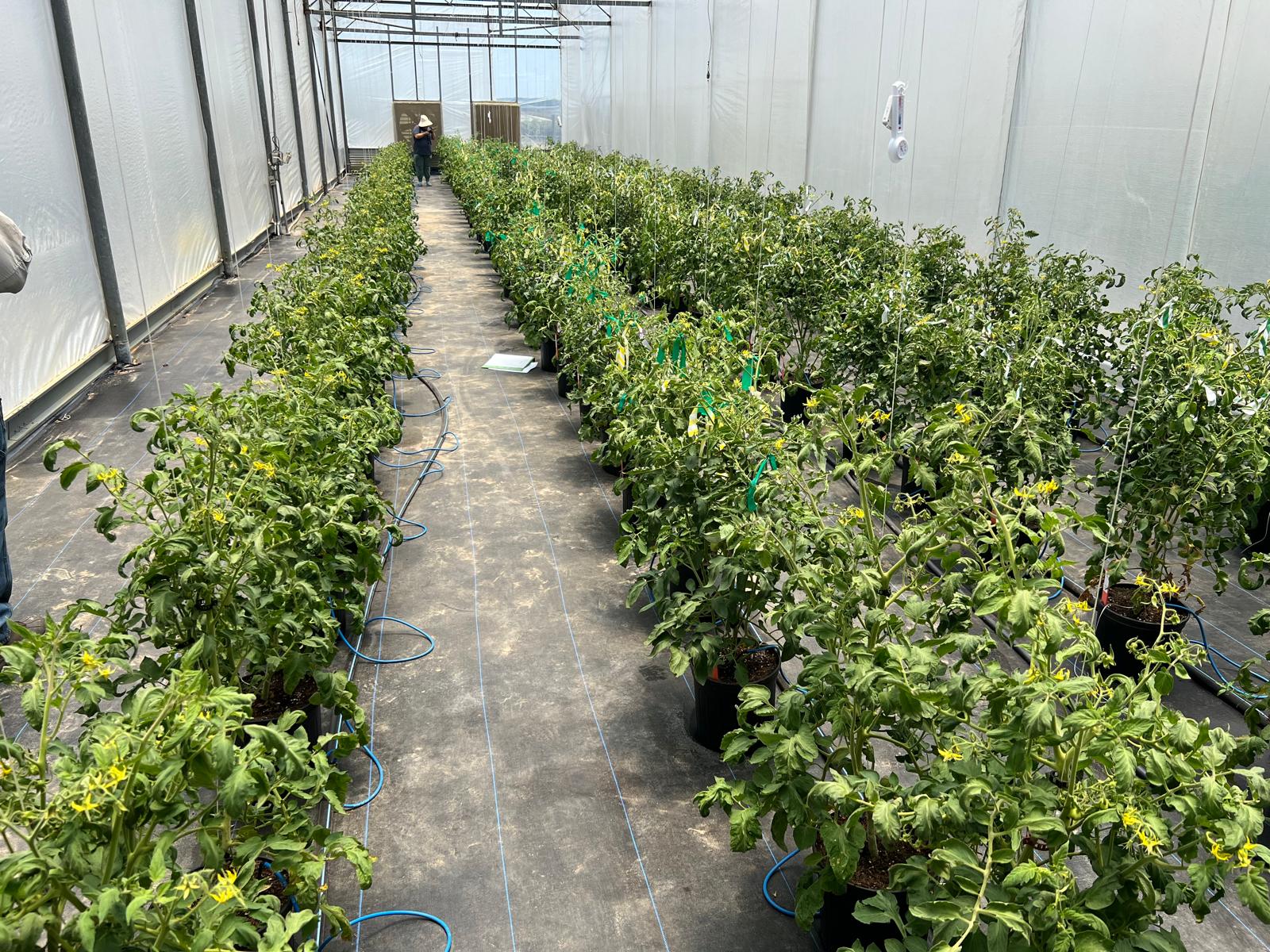
Interseeding, a practice that involves planting cover crops among existing crops, has gained traction in contemporary agricultural practices, particularly in the context of AgriTech and Smart Farming. Traditionally associated with monoculture systems, notably in corn production, interseeding facilitates the introduction of diverse plant species that can serve multiple purposes, including enhancing soil health, supporting livestock, generating additional income, and attracting beneficial insects. As the agricultural sector increasingly seeks sustainable and economically viable methods, interseeding presents significant benefits for both large-scale and small-scale farming operations.
Main Goal and Achievement
The primary goal of interseeding is to improve agricultural productivity and sustainability, thereby transforming the farming landscape. This can be achieved through the strategic integration of cover crops that complement the primary crops. By carefully selecting the timing and type of cover crops, farmers can optimize space and resources, leading to increased yields and enhanced ecological benefits.
Advantages of Interseeding
- Enhanced Crop Yields: Interseeding allows farmers to maximize land usage by planting multiple crops in the same area, which can lead to increased overall productivity. Research indicates that interseeding can potentially double the output in the same land space.
- Diversified Revenue Streams: By growing additional crops alongside primary crops, farmers can create new income sources. For instance, interplanting high-value crops with companion plants can yield multiple revenue opportunities.
- Improved Soil Health: The use of cover crops enhances soil composition and structure. Leguminous plants, for instance, can fix nitrogen in the soil, thereby enriching its nutrient content and improving its overall health.
- Weed Suppression: Cover crops planted through interseeding can outcompete weeds for resources, thereby reducing the need for herbicides and manual weeding. This natural suppression contributes to a more sustainable farming practice.
- Support for Beneficial Organisms: Interseeding can enhance biodiversity by attracting pollinators and beneficial insects, which play a crucial role in pest management and crop pollination.
Caveats and Limitations
While interseeding offers numerous advantages, certain limitations must be considered. The success of interseeding depends significantly on the correct pairing of crops and precise timing of planting to ensure compatibility and maximize light exposure. Additionally, farmers must be vigilant about potential pest interactions and competition between crops, which could undermine the benefits of this practice.
Future Implications and AI Integration
The future of interseeding and its integration into AgriTech is poised for significant transformation, particularly with the advent of artificial intelligence (AI) technologies. AI can facilitate precise crop selection and planting schedules based on data analytics, improving the efficiency and outcomes of interseeding practices. Moreover, AI-driven tools can assist in monitoring soil health and crop performance, allowing for real-time adjustments and optimized resource utilization. As the agricultural sector continues to evolve, the incorporation of AI technologies will enhance the ability of farmers to implement interseeding effectively, ultimately leading to more sustainable and resilient farming systems.
Disclaimer
The content on this site is generated using AI technology that analyzes publicly available blog posts to extract and present key takeaways. We do not own, endorse, or claim intellectual property rights to the original blog content. Full credit is given to original authors and sources where applicable. Our summaries are intended solely for informational and educational purposes, offering AI-generated insights in a condensed format. They are not meant to substitute or replicate the full context of the original material. If you are a content owner and wish to request changes or removal, please contact us directly.
Source link :
Click Here