Introduction
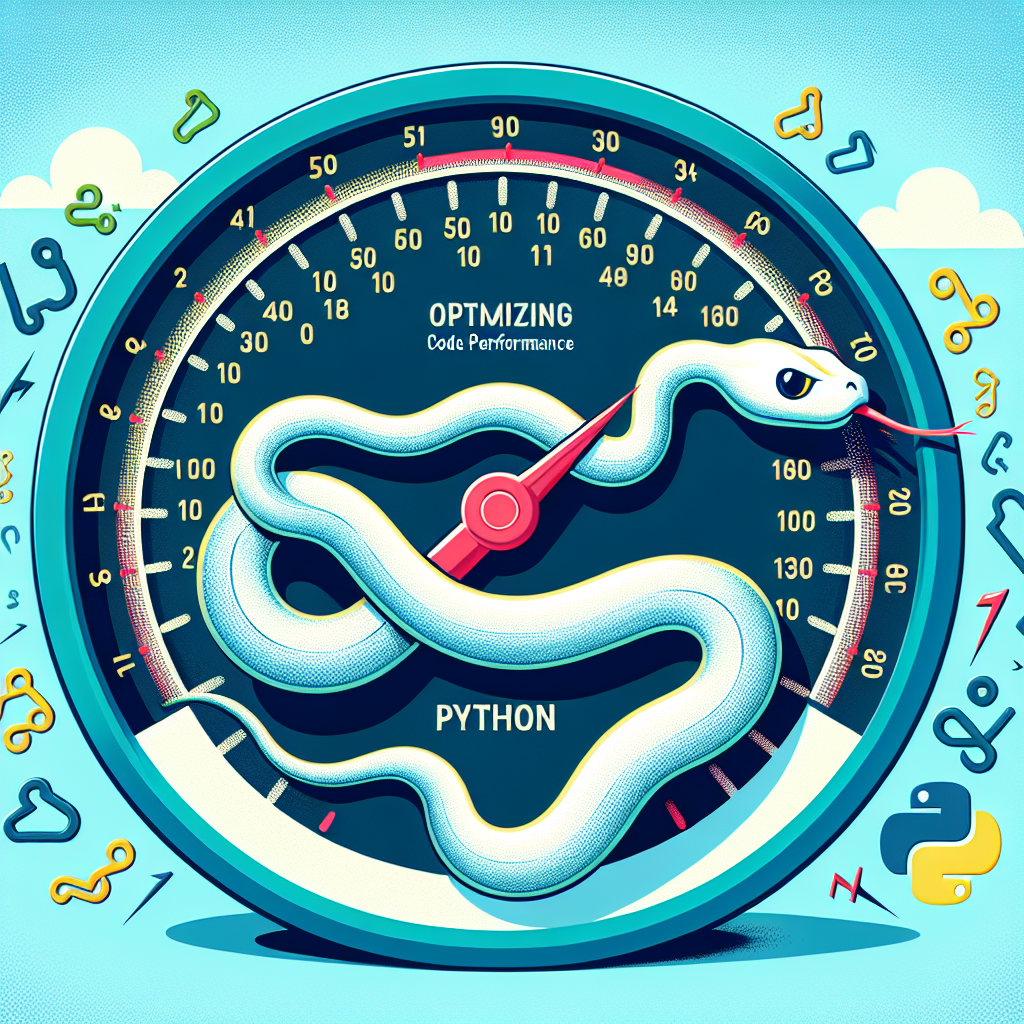
Python is widely recognized as an accessible programming language for beginners, particularly in fields such as Applied Machine Learning (ML). However, practitioners often encounter performance bottlenecks, particularly when dealing with extensive datasets or complex algorithms. Inefficient code can lead to increased processing times and resource consumption, limiting the effectiveness of machine learning models. This blog post outlines essential strategies for optimizing Python code, enabling ML practitioners to enhance performance even with minimal programming experience.
Main Goals of Optimization
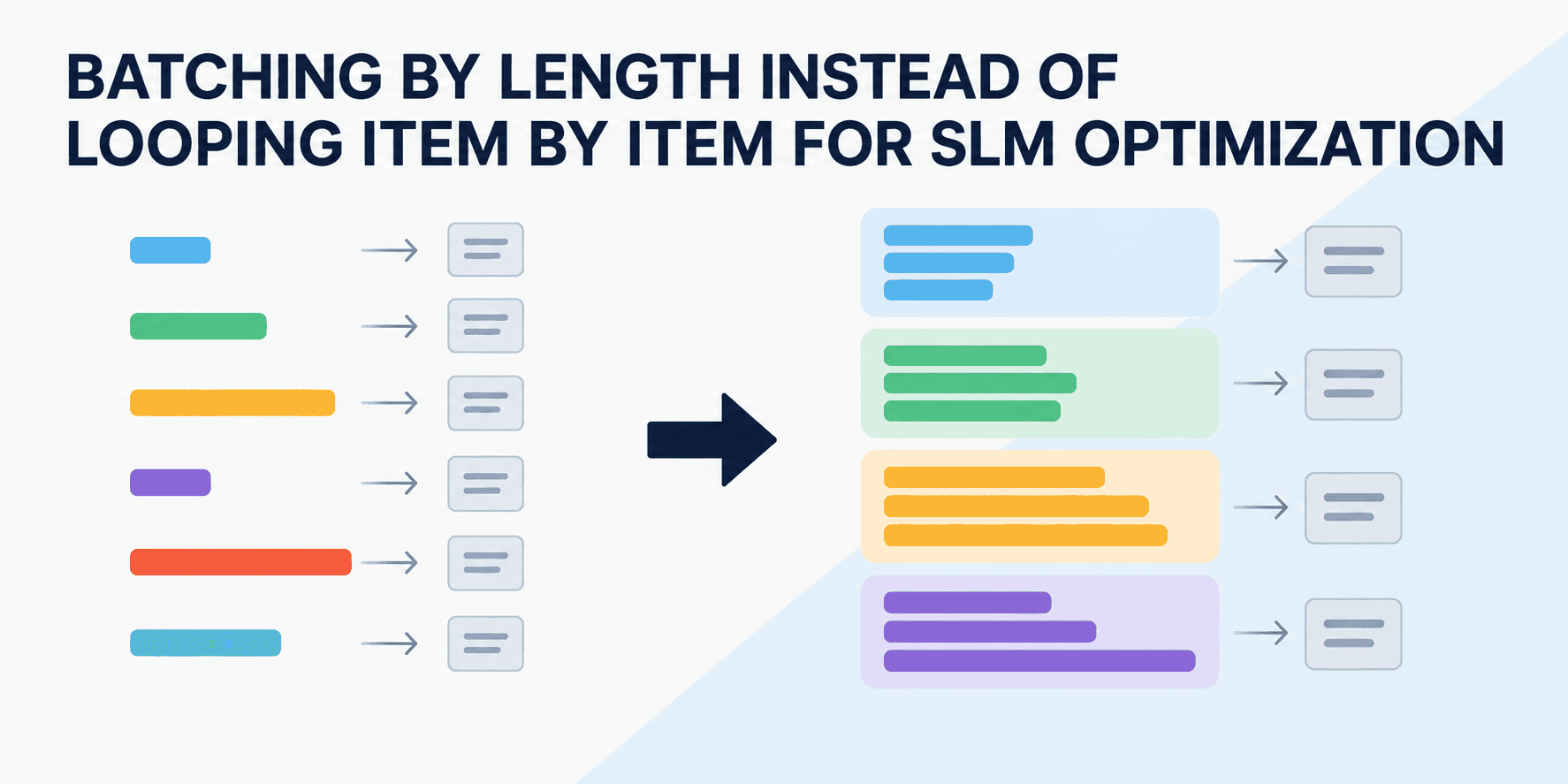
The primary goal of optimizing Python code is to reduce execution time and resource usage, ultimately leading to more efficient data processing and model training. This can be achieved through several practical techniques, which include:
- Measuring performance to identify bottlenecks.
- Utilizing built-in functions and standard library tools for efficiency.
- Avoiding repeated calculations within loops.
- Selecting appropriate data structures based on use case.
- Employing vectorization strategies for numerical data processing.
By adopting these practices, ML practitioners can significantly improve the performance of their code without requiring advanced programming skills.
Advantages of Optimizing Python Code
Implementing optimization techniques yields several benefits, particularly in the context of Applied Machine Learning:
- Enhanced Performance: Optimized code can execute tasks in a fraction of the time compared to unoptimized versions. For instance, using built-in functions instead of manual loops can lead to substantial time savings—often on the order of several times faster.
- Reduced Resource Consumption: Efficient code minimizes the memory footprint, which is critical when working with large datasets. This allows practitioners to work with larger datasets or more complex models without running into resource limitations.
- Increased Code Clarity: Leveraging built-in functions and vectorization leads to cleaner and more maintainable code. This is especially beneficial for collaboration in team settings, where code readability can significantly affect productivity.
- Scalability: Optimized code can handle larger datasets and more complex operations, which is vital as machine learning projects grow in scope and complexity.
While these advantages are compelling, it is essential to recognize potential limitations. Optimization techniques may not yield significant improvements in every scenario, particularly if the code is already efficient. Additionally, some methods may increase code complexity, making it less accessible for beginners.
Future Implications in the Context of AI Developments
The field of Artificial Intelligence (AI) is rapidly evolving, with advancements in algorithms and computational power. As AI technologies become more prevalent, the demand for efficient data processing will only increase. This will necessitate ongoing optimization efforts to ensure that Python code remains performant and scalable. Furthermore, the emergence of technologies such as distributed computing and enhanced hardware capabilities will provide new avenues for optimization, enabling practitioners to harness the full potential of their machine learning models.
Conclusion
In summary, optimizing Python code is crucial for enhancing performance in Applied Machine Learning. By focusing on measurement, using built-in functions, avoiding redundant calculations, selecting appropriate data structures, and employing vectorization, practitioners can significantly improve their code’s efficiency. As the field of AI continues to advance, staying abreast of optimization techniques will be essential for maintaining effective and scalable machine learning solutions.
Disclaimer
The content on this site is generated using AI technology that analyzes publicly available blog posts to extract and present key takeaways. We do not own, endorse, or claim intellectual property rights to the original blog content. Full credit is given to original authors and sources where applicable. Our summaries are intended solely for informational and educational purposes, offering AI-generated insights in a condensed format. They are not meant to substitute or replicate the full context of the original material. If you are a content owner and wish to request changes or removal, please contact us directly.
Source link :
Click Here