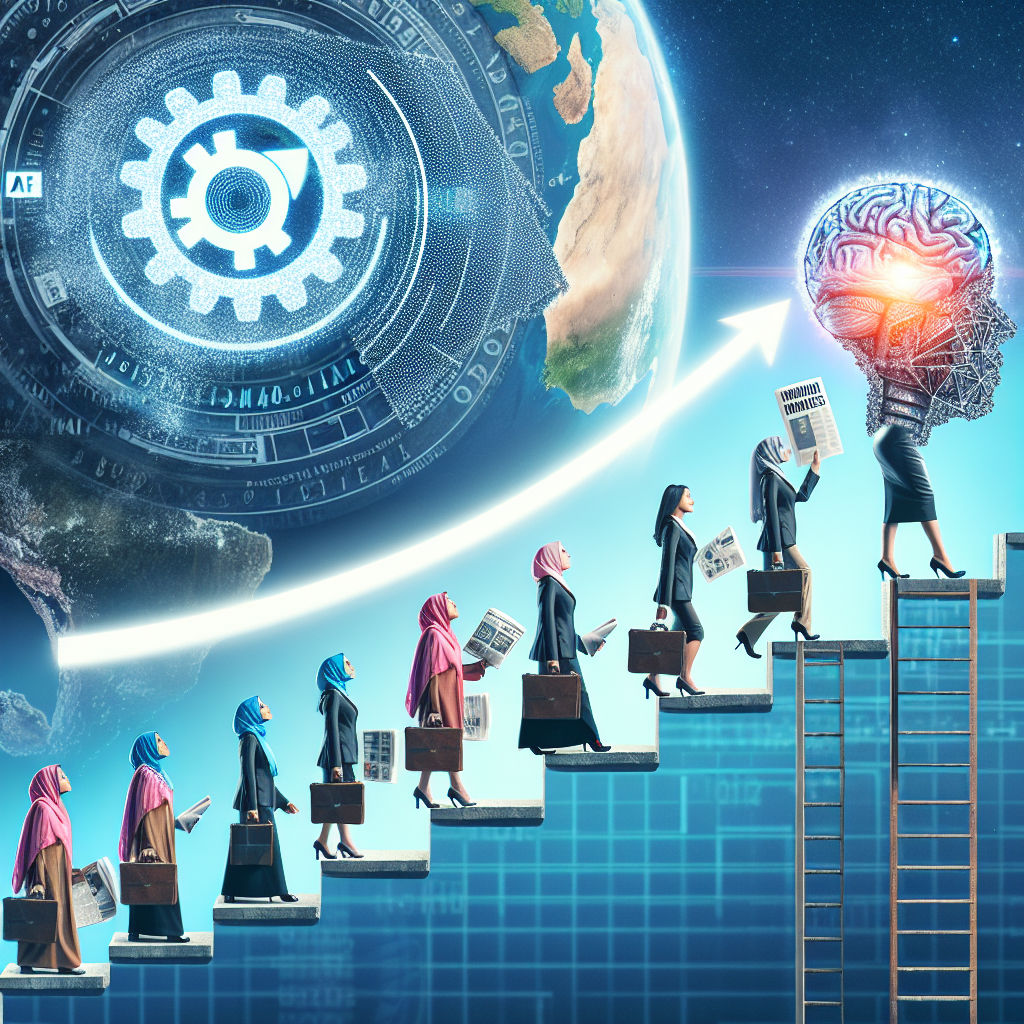
The evolution of digital marketing has reached an unprecedented turning point, primarily driven by advancements in artificial intelligence (AI). This transformative technology is not only enhancing marketing strategies but also redefining the roles and responsibilities of entry-level marketers. The integration of AI tools has streamlined numerous tasks that were previously time-consuming and labor-intensive, prompting a shift in expectations for new entrants into the marketing field.
As AI technologies become increasingly sophisticated, the landscape of entry-level marketing positions is undergoing significant changes. Traditionally, roles such as digital marketing specialist or SEO analyst involved repetitive tasks and manual data collection. However, with AI’s ability to conduct comprehensive audience assessments, map competitive landscapes, and identify SEO content gaps in a fraction of the time, the nature of these positions is evolving.
For marketing directors, this development is advantageous, as it accelerates the time-to-insight from days to mere minutes. Conversely, many aspiring marketers express concern about job security, fearing that automation may diminish their prospects even before they graduate. Recent studies indicate that a substantial percentage of college seniors harbor pessimism about their career opportunities due to the perceived encroachment of AI in their future roles.
The primary objective of this new paradigm is to reframe the role of entry-level marketers from executing routine tasks to overseeing and validating AI-generated outputs. By embracing AI as a collaborative tool, organizations can enhance efficiency while simultaneously fostering the development of critical skills in junior staff. This transition can be achieved by restructuring existing roles to incorporate elements of AI oversight and strategic thinking.
Despite the numerous advantages, there are inherent limitations to consider. AI systems are not infallible; they can produce incorrect information and may perpetuate biases present in their training data. Therefore, rigorous human verification is essential in the utilization of AI-generated insights. Furthermore, the rapid pace of technological change may outstrip the ability of educational institutions to adapt their curricula, potentially leaving new graduates underprepared for the evolving demands of the industry.
Looking forward, the continued development of AI technologies is likely to further transform the marketing landscape. As AI capabilities expand, we can anticipate a greater emphasis on human-AI collaboration, wherein entry-level marketers will be equipped to take on more strategic roles that involve guiding AI outputs rather than merely executing tasks. This evolution will necessitate a shift in hiring practices, with employers placing a premium on candidates who exhibit strong analytical and critical thinking skills.
In conclusion, the integration of AI into digital marketing is reshaping the expectations of entry-level roles, presenting both challenges and opportunities. By adapting to this new paradigm and prioritizing the development of higher-order cognitive skills, organizations can harness the full potential of AI while empowering the next generation of marketing professionals.
Disclaimer
The content on this site is generated using AI technology that analyzes publicly available blog posts to extract and present key takeaways. We do not own, endorse, or claim intellectual property rights to the original blog content. Full credit is given to original authors and sources where applicable. Our summaries are intended solely for informational and educational purposes, offering AI-generated insights in a condensed format. They are not meant to substitute or replicate the full context of the original material. If you are a content owner and wish to request changes or removal, please contact us directly.
Source link :