Medicare’s Utilization of Telehealth for Mental Health Services

Context

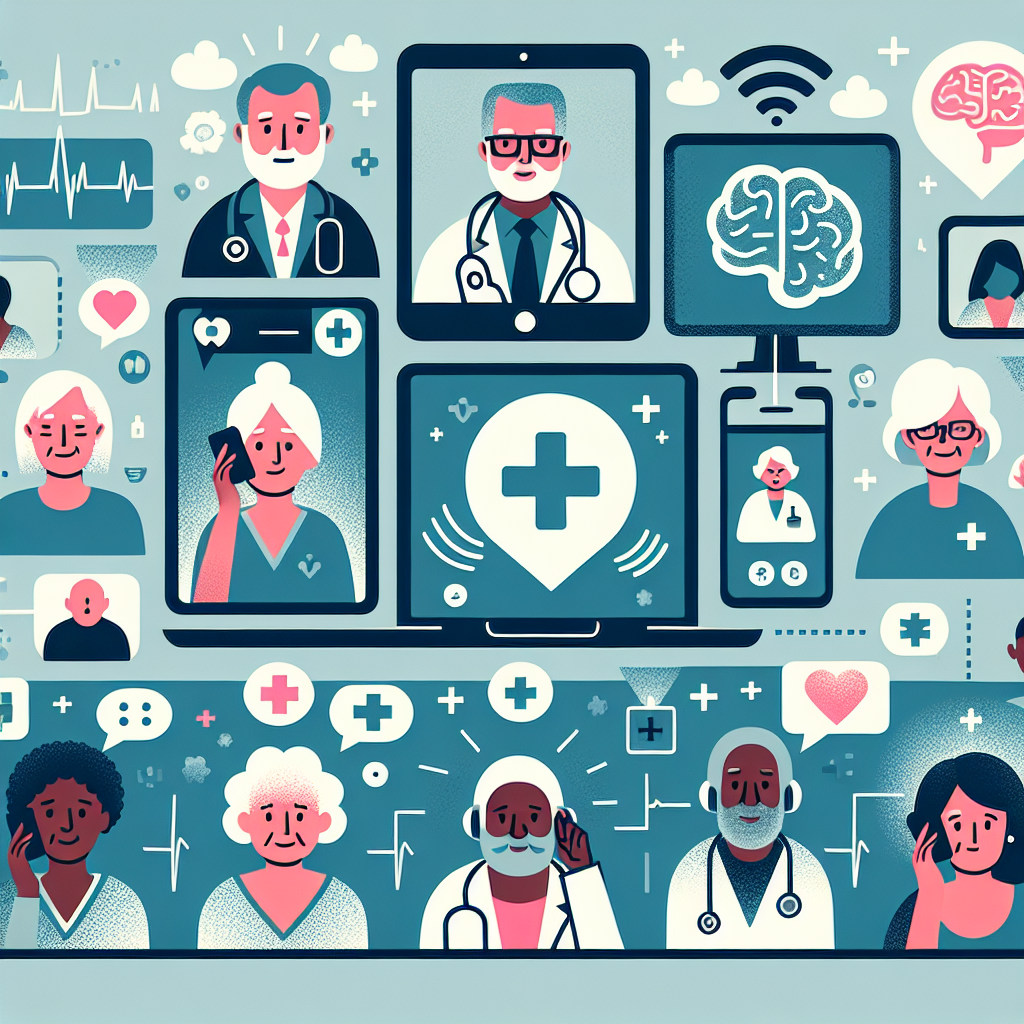
The landscape of healthcare is undergoing a transformative shift, marked by the rapid integration of technology into clinical settings. Particularly in the realm of mental health, the introduction of virtual care platforms, supported by Medicare, has raised pertinent questions about accessibility and efficacy. Despite the significant adoption of telehealth services during the COVID-19 pandemic, there is an ongoing debate about whether this technological advancement is effectively reaching the most underserved populations, particularly in rural areas. The question arises: who is benefiting from these innovations, and how can we ensure equitable access across diverse demographics?

Main Goal and Achievement

The primary goal highlighted in recent analyses is to determine whether the expansion of Medicare telehealth coverage has facilitated greater access to mental health services for rural and underserved populations. Achieving this goal necessitates a multifaceted approach that includes improving broadband infrastructure, enhancing inter-state licensing regulations for providers, and ensuring that telehealth services are adaptable to the unique needs of these communities. Only through targeted policy interventions can we align the benefits of technological advancements with the needs of the most vulnerable populations.

Advantages of Telehealth and AI Integration

The integration of telehealth and artificial intelligence (AI) into mental health services presents several advantages:

  • Increased Access: Telehealth has the potential to bridge the gap for individuals in remote areas, providing them access to mental health professionals who may not be physically available. However, current studies indicate that this access is still uneven, with higher-income and more educated populations benefiting disproportionately.
  • Cost-Effectiveness: Virtual consultations can reduce travel costs and time for patients, making mental health care more affordable. This economic benefit is critical, especially for low-income populations who might otherwise forgo necessary services.
  • Enhanced Care Coordination: AI technologies can streamline patient management by automating administrative tasks, allowing clinicians to focus more on patient care. This efficiency can lead to improved outcomes in mental health treatment.
  • Scalability: Telehealth platforms can quickly adapt to increased demand, allowing for a broader reach and enabling practitioners to serve more patients simultaneously without compromising care quality.

Despite these advantages, it is essential to acknowledge the caveats. The effectiveness of telehealth is contingent upon the availability of reliable internet access, which remains a significant barrier in many rural areas. Additionally, there are concerns regarding the quality of care and the need for in-person evaluations for certain conditions.

Future Implications

Looking ahead, the evolution of AI and telehealth is poised to significantly impact the mental health landscape. As artificial intelligence continues to develop, we can anticipate the emergence of more sophisticated diagnostic tools and therapeutic applications that could provide personalized treatment tailored to individual patient needs. Furthermore, ongoing legislative efforts to improve infrastructure and licensing will likely catalyze the broader adoption of telehealth services, ultimately enhancing access to mental health care.

However, it is crucial to ensure that these advancements are implemented with a focus on equity and inclusivity. Future policies must prioritize the needs of underserved populations to avoid deepening existing disparities in mental health care access. As we move forward, continuous evaluation of the impact of these technologies on diverse populations will be essential to foster an inclusive healthcare environment.

Disclaimer

The content on this site is generated using AI technology that analyzes publicly available blog posts to extract and present key takeaways. We do not own, endorse, or claim intellectual property rights to the original blog content. Full credit is given to original authors and sources where applicable. Our summaries are intended solely for informational and educational purposes, offering AI-generated insights in a condensed format. They are not meant to substitute or replicate the full context of the original material. If you are a content owner and wish to request changes or removal, please contact us directly.

Source link :

Click Here

How We Help

Our comprehensive technical services deliver measurable business value through intelligent automation and data-driven decision support. By combining deep technical expertise with practical implementation experience, we transform theoretical capabilities into real-world advantages, driving efficiency improvements, cost reduction, and competitive differentiation across all industry sectors.

We'd Love To Hear From You

Transform your business with our AI.

Get In Touch