Context of Soil Health for AgriTech Innovations
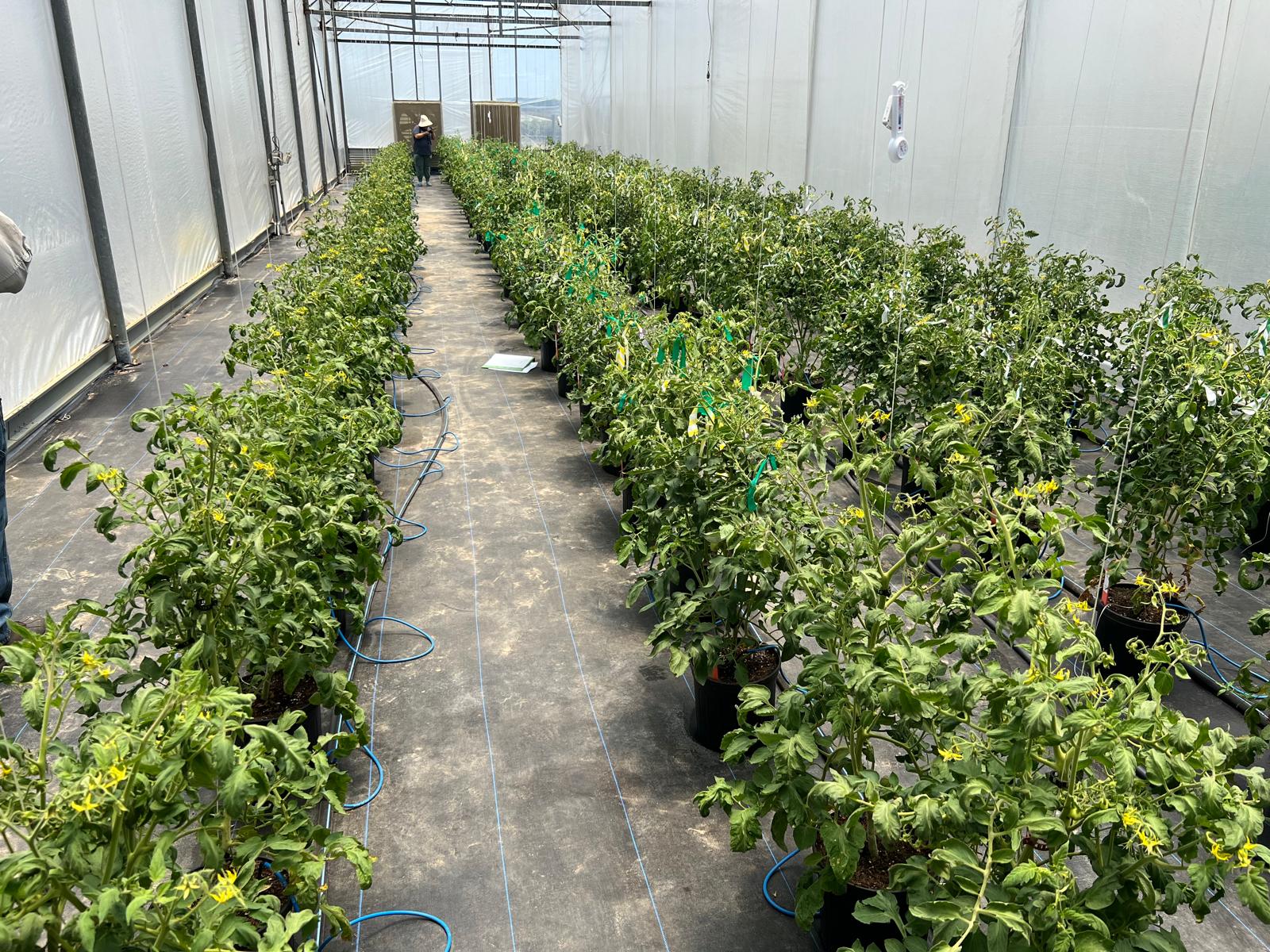
Soil health is a pivotal factor in agricultural productivity and sustainability, particularly as farmers prepare for the growing season. The strategies employed during the pre-planting phase, such as soil amendments and crop management practices, directly influence the yield and resilience of crops. Recognizing the impending last frost date and taking proactive measures ensures that soil is primed for optimal growth. In the context of AgriTech and Smart Farming, these practices are enriched by technology, enabling enhanced monitoring and management of soil conditions, ultimately leading to sustainable agricultural practices that can support long-term food security.
Main Goal and Achievements
The primary goal articulated in the original content is to revitalize soil health before the growing season, thereby enhancing crop yields and sustainability. This can be accomplished through a series of actionable steps, including the implementation of crop rotations, the introduction of cover crops, and the addition of organic matter. Each of these strategies plays a crucial role in restoring nutrient levels, combating soil fatigue, and improving microbial activity in the soil.
Advantages of Soil Health Management
- Enhanced Nutrient Availability: Regularly incorporating organic matter improves soil structure and nutrient density, crucial for sustaining crop health.
- Reduced Soil Compaction: Practices such as light tilling or using a broadfork alleviate compaction, promoting better aeration and root penetration.
- Increased Biodiversity: Crop rotations disrupt pest cycles and enhance soil microbial diversity, which is essential for maintaining ecosystem balance.
- Mitigation of Soil Fatigue: Rotation and cover cropping prevent the depletion of specific nutrients, thus addressing soil fatigue that can lead to reduced yields.
- Adaptation to Climate Variability: Implementing diverse planting strategies helps in adapting to unpredictable weather patterns, ensuring resilience against climate change.
However, it is essential to acknowledge potential limitations. For instance, while cover crops are beneficial, they require precise timing for planting and termination to avoid competition with cash crops. Moreover, the effectiveness of these strategies can vary based on local soil types and climatic conditions.
Future Implications and AI Developments
The integration of artificial intelligence (AI) into agriculture is set to revolutionize soil management practices. AI-powered tools can facilitate real-time soil monitoring, enabling farmers to make data-driven decisions regarding crop rotations and amendments. For instance, predictive analytics could identify optimal planting windows and suggest the most beneficial cover crops based on historical data and current weather patterns. Furthermore, machine learning algorithms may enhance understanding of soil health over time, allowing for more tailored approaches to soil management that consider both ecological and economic factors.
As these technologies continue to evolve, the future of AgriTech will likely see a shift towards precision agriculture, where individual field variability is accounted for, leading to maximized efficiency and sustainability across farming operations.
Disclaimer
The content on this site is generated using AI technology that analyzes publicly available blog posts to extract and present key takeaways. We do not own, endorse, or claim intellectual property rights to the original blog content. Full credit is given to original authors and sources where applicable. Our summaries are intended solely for informational and educational purposes, offering AI-generated insights in a condensed format. They are not meant to substitute or replicate the full context of the original material. If you are a content owner and wish to request changes or removal, please contact us directly.
Source link :