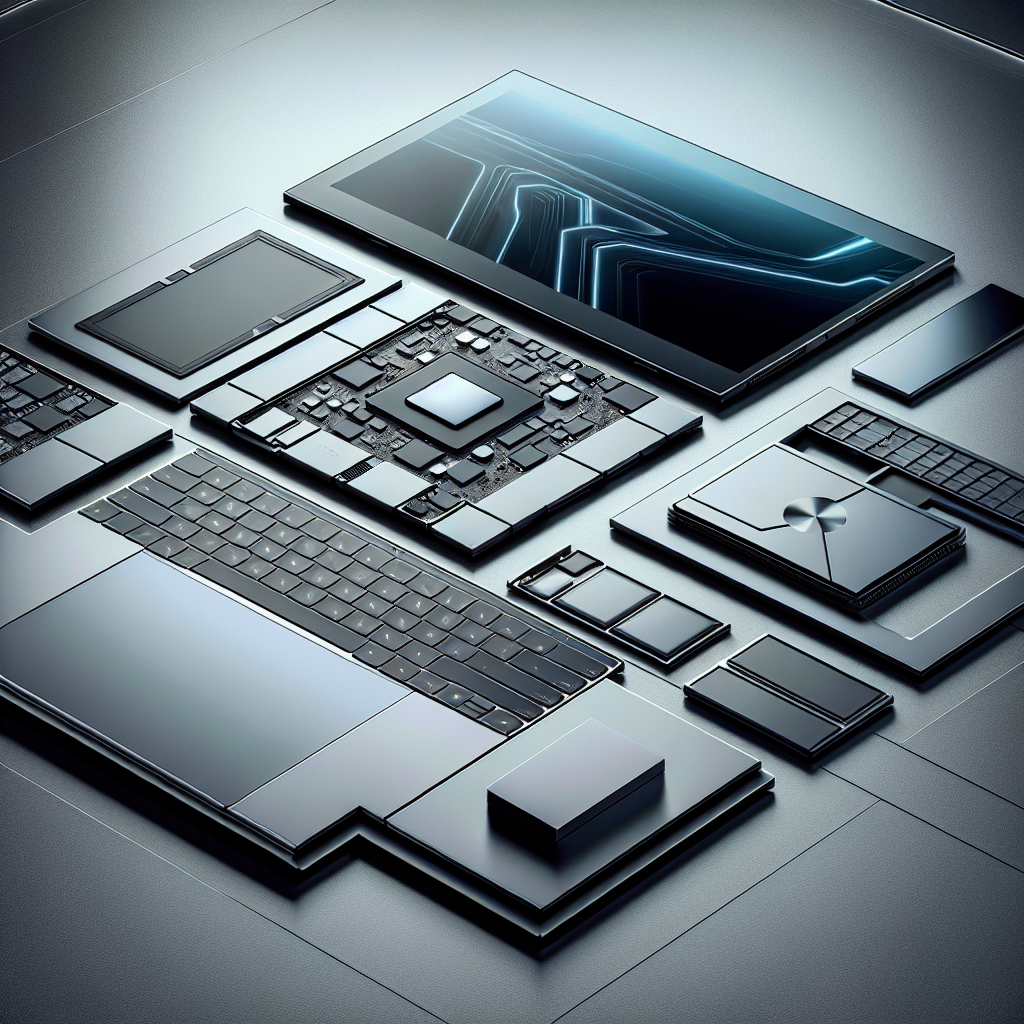
The concept of modular computing systems has gained traction in recent years, with Lenovo’s unveiling of the ThinkBook Modular AI PC at Mobile World Congress 2026 serving as a pivotal example. This innovative laptop design features a detachable dual screen, a customizable keyboard, and swappable ports, aiming to redefine user experience and functionality in the realm of personal computing. This blog post explores the implications of such modular designs, particularly in the context of Applied Machine Learning (ML), and analyzes how these advancements can benefit ML practitioners.
The primary goal of Lenovo’s modular ThinkBook is to deliver a customizable and adaptable computing experience. By allowing users to detach and swap components, such as displays and input devices, Lenovo seeks to cater to the diverse needs of modern professionals, including those in the field of Applied Machine Learning. This modularity can facilitate a more tailored workstation, enabling ML practitioners to optimize their setups for specific tasks, thereby enhancing productivity and efficiency.
To achieve this goal, Lenovo employs innovative design elements that focus on user flexibility. The integration of interchangeable components allows for a personalized computing environment that can evolve with the user’s requirements.
The modular design of the ThinkBook Modular AI PC offers several advantages, particularly for ML practitioners:
The ability to configure a laptop according to individual preferences allows users to select components that best meet their specific needs. For instance, ML practitioners can opt for additional displays to enhance their data visualization capabilities or utilize a detachable keyboard for more comfortable coding experiences.
The detachable components contribute to the laptop’s portability, enabling users to carry only the necessary parts for their specific projects. This feature can be particularly beneficial for ML practitioners who often work in collaborative environments or need to present their work in various settings.
The swappable I/O ports present a level of flexibility that is uncommon in traditional laptops. This feature allows users to reposition ports according to their workflow requirements, facilitating seamless connectivity for various peripherals essential to ML tasks, such as high-performance GPUs or external storage devices.
As technology evolves, so too do the requirements for computing devices. The modular approach not only prepares users for current demands but also allows for future upgrades without the need for complete system replacements. This adaptability is crucial for ML practitioners who must stay abreast of rapid advancements in technology.
The modular nature of the ThinkBook encourages easier repair and maintenance. This aspect is significant for ML practitioners who rely on their devices for critical tasks. Should a component fail, users can replace it without discarding the entire system, thereby reducing downtime and costs.
While the modular design presents numerous advantages, there are limitations to consider. The effectiveness of the detachable components hinges on the engineering quality and user experience design. Early prototypes may exhibit design flaws that need refinement, such as awkward mechanisms for attachment or limited port options. Furthermore, the need for specific cables or connectors can complicate the user experience.
The development of modular computing systems like Lenovo’s ThinkBook Modular AI PC has far-reaching implications, particularly in the field of Applied Machine Learning. As AI technology continues to evolve, the demand for flexible and powerful computing solutions will likely increase. The emphasis on modularity not only caters to current needs but also anticipates future trends in technology and workflow.
In particular, advancements in AI algorithms and data processing requirements will necessitate adaptable hardware configurations. A modular approach can facilitate rapid iterations and experimentation, which are critical in the fast-paced world of machine learning research and application. Furthermore, as more professionals adopt hybrid work models, the ability to customize workstations on-the-go will become increasingly valuable.
In conclusion, Lenovo’s ThinkBook Modular AI PC embodies a significant shift towards modularity in computing, presenting numerous advantages for ML practitioners. By fostering customization, portability, and future-proofing, such innovations pave the way for enhanced productivity and adaptability in the evolving landscape of technology.
Disclaimer
The content on this site is generated using AI technology that analyzes publicly available blog posts to extract and present key takeaways. We do not own, endorse, or claim intellectual property rights to the original blog content. Full credit is given to original authors and sources where applicable. Our summaries are intended solely for informational and educational purposes, offering AI-generated insights in a condensed format. They are not meant to substitute or replicate the full context of the original material. If you are a content owner and wish to request changes or removal, please contact us directly.
Source link :