Contextual Overview of Humanoid Robotics in Manufacturing
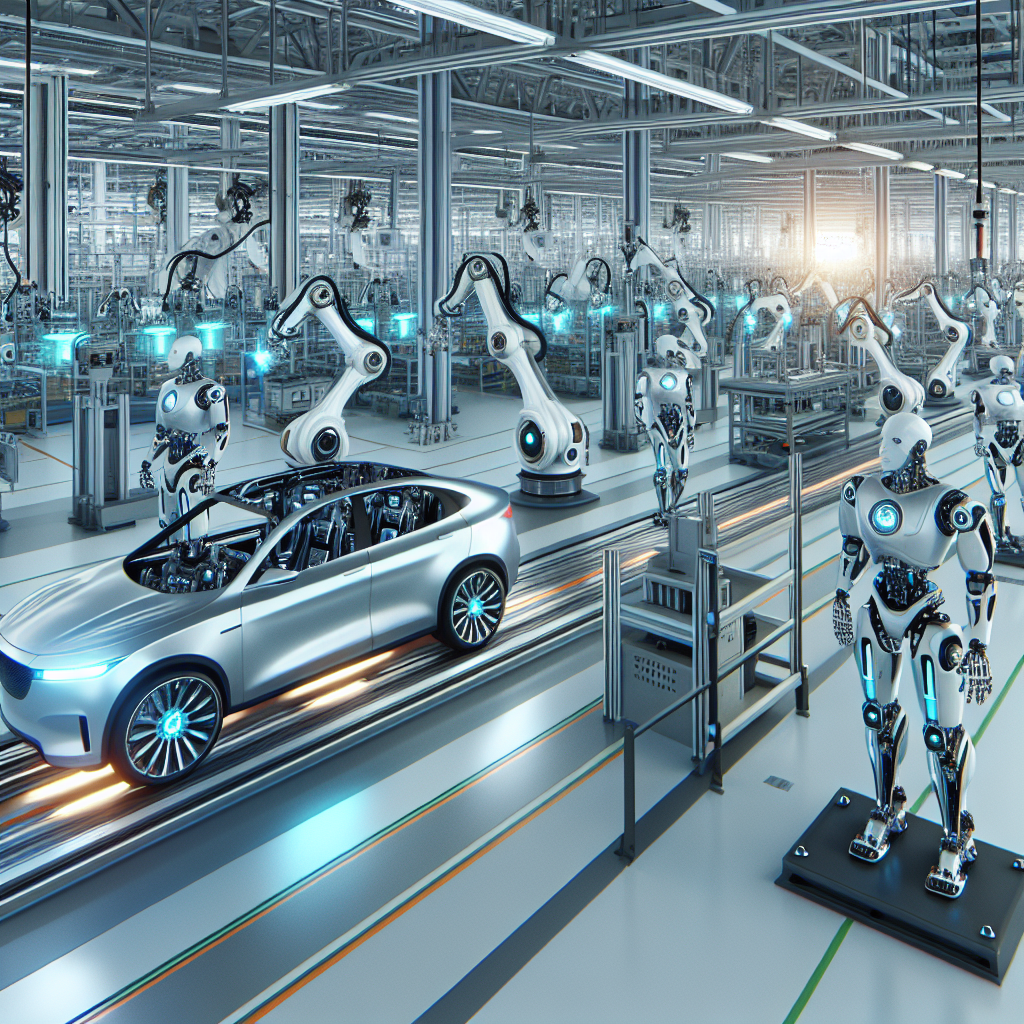
The deployment of humanoid robots, such as Agility Robotics’ Digit, within manufacturing environments represents a significant advancement in both robotics and smart manufacturing. Recently, Toyota Motor Manufacturing Canada (TMMC) announced plans to integrate Digit into its operations following a successful year-long pilot initiative. This strategic move underscores TMMC’s commitment to enhancing operational efficiency and improving the overall experience of team members in its manufacturing facilities.
Main Goal and Its Achievement
The primary objective of deploying Digit within TMMC’s manufacturing processes is to augment human labor by automating repetitive and physically demanding tasks. This initiative aims to alleviate the strain on human workers, allowing them to focus on more complex, value-added tasks that require cognitive engagement. Achieving this goal hinges upon the successful evaluation of the humanoids in real-world applications, which has already shown promise during the pilot phase. Based on the results, TMMC plans to scale operations by increasing the number of humanoids deployed.
Advantages of Integrating Humanoid Robotics
- Enhanced Operational Efficiency: The deployment of Digit is expected to streamline manufacturing processes, as evidenced by TMMC’s intention to utilize the humanoids for loading and unloading tasks. This will likely lead to reduced cycle times and increased output.
- Improved Worker Safety: By automating strenuous tasks, the integration of humanoids can significantly decrease the risk of workplace injuries. This aligns with TMMC’s goals of fostering a safer work environment, thereby enhancing employee well-being.
- Adaptability and Learning: Digit is designed to learn and adapt to new workflows through artificial intelligence. This capability allows for continuous improvement in task execution, which can lead to further operational enhancements over time.
- Reduced Labor Shortages: As the manufacturing sector faces ongoing labor shortages, humanoids like Digit can fill critical gaps by performing monotonous tasks that are challenging to staff reliably.
Despite these advantages, it is essential to note that the successful integration of humanoid robotics depends on the existing organizational infrastructure and the willingness of employees to adapt to new technologies.
Future Implications of AI in Manufacturing
The evolution of artificial intelligence is poised to transform the landscape of manufacturing operations further. As AI technologies advance, robots like Digit will likely become more capable, exhibiting enhanced decision-making abilities and improved interaction with human colleagues. This will facilitate a more collaborative work environment, where human workers and robots can complement each other’s strengths. Additionally, as AI continues to mature, it may lead to the development of more sophisticated humanoids that can undertake an even broader range of tasks, thereby revolutionizing traditional manufacturing paradigms.
Disclaimer
The content on this site is generated using AI technology that analyzes publicly available blog posts to extract and present key takeaways. We do not own, endorse, or claim intellectual property rights to the original blog content. Full credit is given to original authors and sources where applicable. Our summaries are intended solely for informational and educational purposes, offering AI-generated insights in a condensed format. They are not meant to substitute or replicate the full context of the original material. If you are a content owner and wish to request changes or removal, please contact us directly.
Source link :