Context and Significance in AgriTech
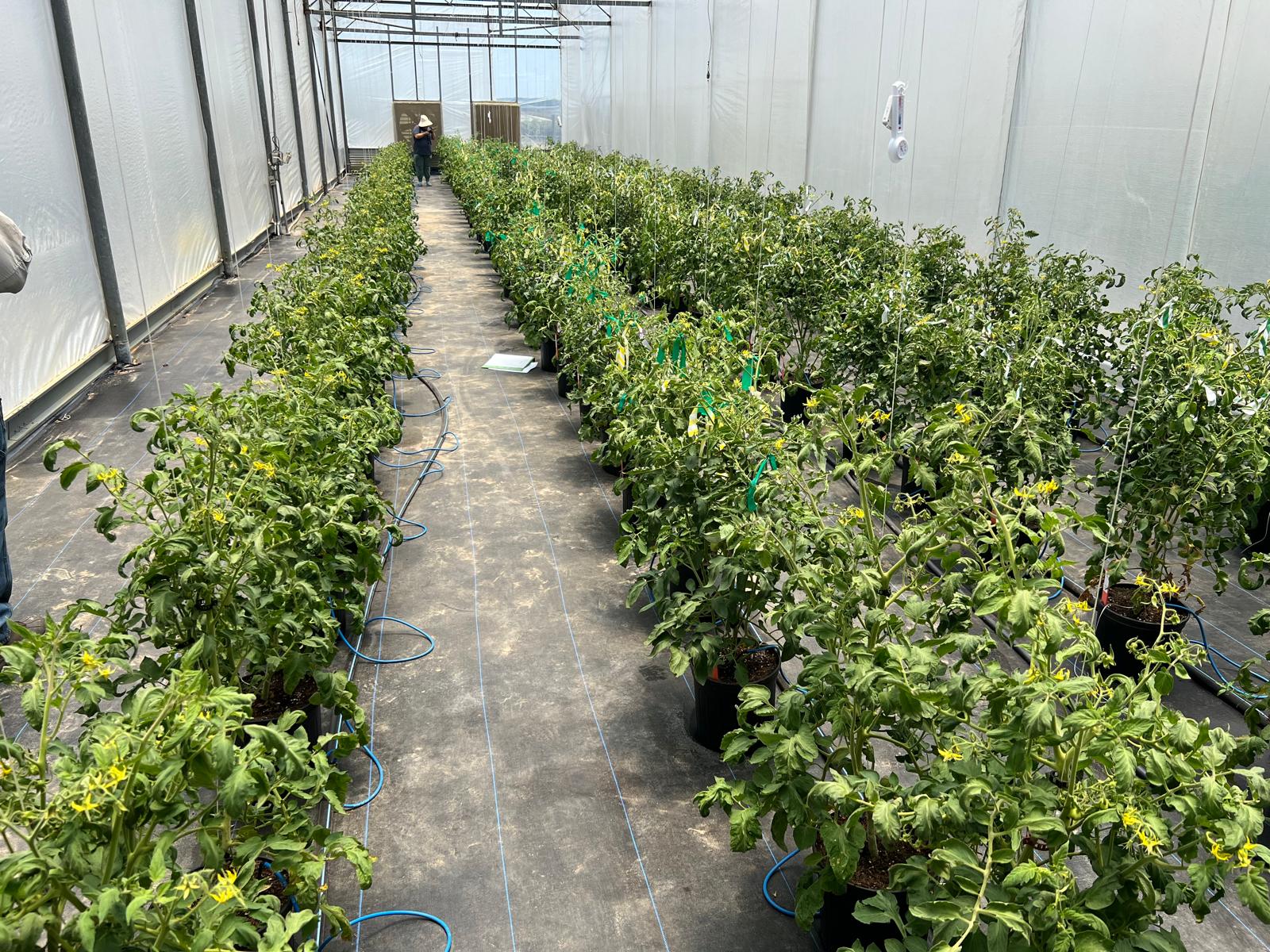
The integration of technology into agriculture, commonly referred to as AgriTech, is transforming traditional farming practices into smart, efficient systems that optimize crop yield and resource management. A key component of this transformation is the effective utilization of data and technology, similar to optimizing HDMI connections for audio and visual outputs in home entertainment systems. Just as incorrect HDMI settings can lead to subpar image and sound quality, inefficient use of AgriTech tools can hinder productivity in farming operations.
Main Goal and Achievement Strategies
The primary goal of optimizing AgriTech solutions is to enhance agricultural productivity and sustainability. This can be achieved through the adoption of advanced technologies such as precision farming, IoT sensors, and data analytics. By employing these technologies, farmers can monitor environmental conditions, manage resources efficiently, and make informed decisions about crop management. This approach not only maximizes yield but also minimizes waste, ultimately leading to more sustainable practices within the agricultural industry.
Advantages of Optimizing AgriTech Solutions
- Increased Efficiency: Utilizing precision agriculture techniques allows farmers to apply inputs such as water, fertilizers, and pesticides more efficiently. This targeted approach ensures that resources are used where they are needed most, reducing waste and costs.
- Enhanced Crop Yield: Data-driven insights enable farmers to make informed decisions regarding planting times, crop selection, and pest management, leading to improved yield and crop quality.
- Sustainability: Implementing smart farming techniques reduces the environmental impact of agriculture by minimizing chemical use and conserving water resources, contributing to a more sustainable agricultural ecosystem.
- Real-Time Monitoring: IoT devices facilitate real-time monitoring of soil health, moisture levels, and weather conditions, allowing for timely interventions that can prevent crop failures.
- Data-Driven Decisions: The collection and analysis of agricultural data empowers farmers to make proactive decisions, adapting to changing conditions and optimizing outputs based on empirical evidence.
Caveats and Limitations
While the benefits of AgriTech optimization are significant, there are important caveats to consider:
- Initial Investment Costs: The transition to smart farming often requires substantial upfront investment in technology and training, which can be a barrier for small-scale farmers.
- Data Privacy Concerns: As data collection increases, so do concerns regarding data security and privacy. Farmers must be cautious about how their data is used and shared.
- Technological Dependence: Increased reliance on technology may reduce traditional skills and knowledge among farmers, potentially creating a knowledge gap.
Future Implications of AI in AgriTech
The future of AgriTech is poised for significant advancements driven by artificial intelligence (AI). As AI technologies evolve, they will enhance predictive analytics, allowing for even more accurate forecasting of agricultural trends and conditions. AI can also facilitate automation in agriculture, further streamlining operations and reducing labor costs. Additionally, as machine learning algorithms improve, they will be able to analyze vast amounts of data more effectively, providing deeper insights into crop performance and resource management.
Moreover, AI can enhance decision-making processes by integrating various data sources, enabling farmers to adapt swiftly to environmental changes and market demands. As these technologies become more affordable and accessible, their adoption will likely expand, transforming the agricultural landscape into a more efficient, data-driven sector.
Disclaimer
The content on this site is generated using AI technology that analyzes publicly available blog posts to extract and present key takeaways. We do not own, endorse, or claim intellectual property rights to the original blog content. Full credit is given to original authors and sources where applicable. Our summaries are intended solely for informational and educational purposes, offering AI-generated insights in a condensed format. They are not meant to substitute or replicate the full context of the original material. If you are a content owner and wish to request changes or removal, please contact us directly.
Source link :