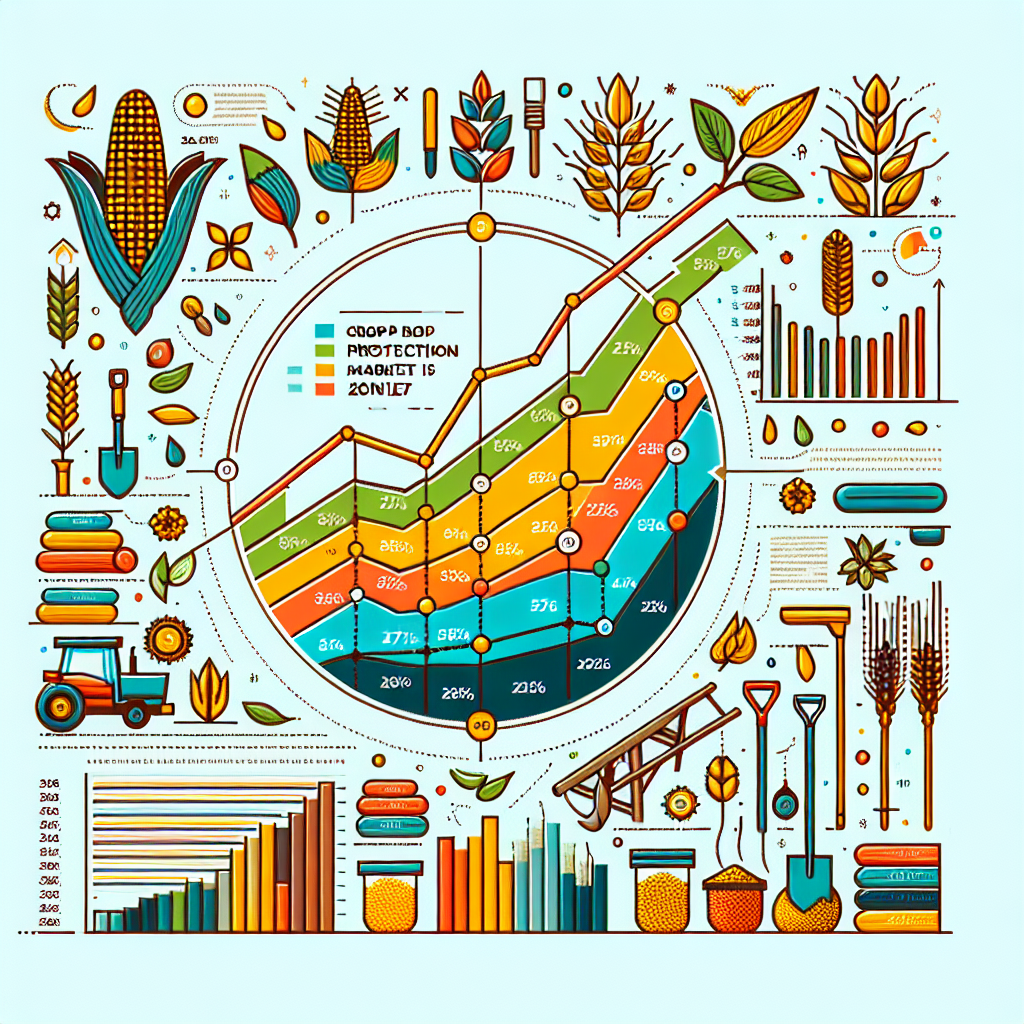
The global crop protection market is undergoing significant transformations, with projections indicating notable changes by 2026. This analysis draws upon recent estimates and trends within the agricultural sector, particularly focusing on the anticipated developments in the crop protection market. Key regions such as North America, Central and South America, Asia Pacific, Europe, and the Middle East and Africa will be examined to understand their individual contributions to the market dynamics. Furthermore, the implications of these trends for AgriTech innovators and the role of artificial intelligence (AI) in shaping future practices will be discussed.
The primary goal of the original analysis is to provide insights into the expected growth and challenges of the crop protection market, highlighting the economic conditions that influence agricultural practices. This can be achieved by assessing the key factors affecting crop production, such as weather patterns, input costs, and regulatory changes. Understanding these dynamics is crucial for AgriTech innovators seeking to develop effective solutions that enhance crop yield and sustainability, ultimately driving productivity in the agricultural sector.
Despite the optimistic projections, several limitations must be acknowledged. Rising input costs, particularly in fertilizers, pose a significant challenge, with a projected increase of over 5% in 2026. This may restrict growers’ spending on crop protection chemicals, potentially leading to decreased effectiveness in pest management. Additionally, ongoing regulatory pressures in regions like Europe may limit the availability and application of certain active ingredients, which could hamper growth potential.
Looking ahead, the integration of AI technologies in crop protection practices promises to revolutionize the agricultural landscape. AI can enhance decision-making processes through data-driven insights, enabling farmers to optimize their crop management strategies. For example, predictive analytics can help in forecasting pest outbreaks, allowing for timely interventions that could mitigate crop damage. Furthermore, AI-driven solutions can streamline supply chain operations, reducing costs and improving accessibility to crop protection products.
As the crop protection market evolves, the role of AI will likely expand, providing AgriTech innovators with the tools to develop sophisticated solutions that address the complex challenges faced by growers. The synergy between advanced technologies and sustainable agricultural practices will be crucial in ensuring food security and environmental stewardship going forward.
In summary, the anticipated developments in the global crop protection market by 2026 present both opportunities and challenges for AgriTech innovators. By understanding the key factors that influence market dynamics, stakeholders can better navigate the evolving landscape and leverage technological advancements to drive growth. As AI continues to shape agricultural practices, the potential for increased efficiency and sustainability in crop protection will be paramount, paving the way for a more resilient agricultural future.
Disclaimer
The content on this site is generated using AI technology that analyzes publicly available blog posts to extract and present key takeaways. We do not own, endorse, or claim intellectual property rights to the original blog content. Full credit is given to original authors and sources where applicable. Our summaries are intended solely for informational and educational purposes, offering AI-generated insights in a condensed format. They are not meant to substitute or replicate the full context of the original material. If you are a content owner and wish to request changes or removal, please contact us directly.
Source link :