Enhancing LLM Performance: The Necessity of Fine-Grained Contextualization for Real-Time Outputs

Introduction

In the rapidly evolving landscape of Generative AI Models and Applications, understanding the nuances of context and real-time processing has emerged as a critical challenge. The term “brownie recipe problem,” coined by Instacart’s CTO Anirban Kundu, encapsulates the complexity faced by large language models (LLMs) in grasping user intent and contextual relevance. This discussion elucidates how fine-grained context is essential for LLMs to effectively assist users in real-time scenarios, particularly within the domain of grocery delivery services.

Main Goal and Achievement Strategies

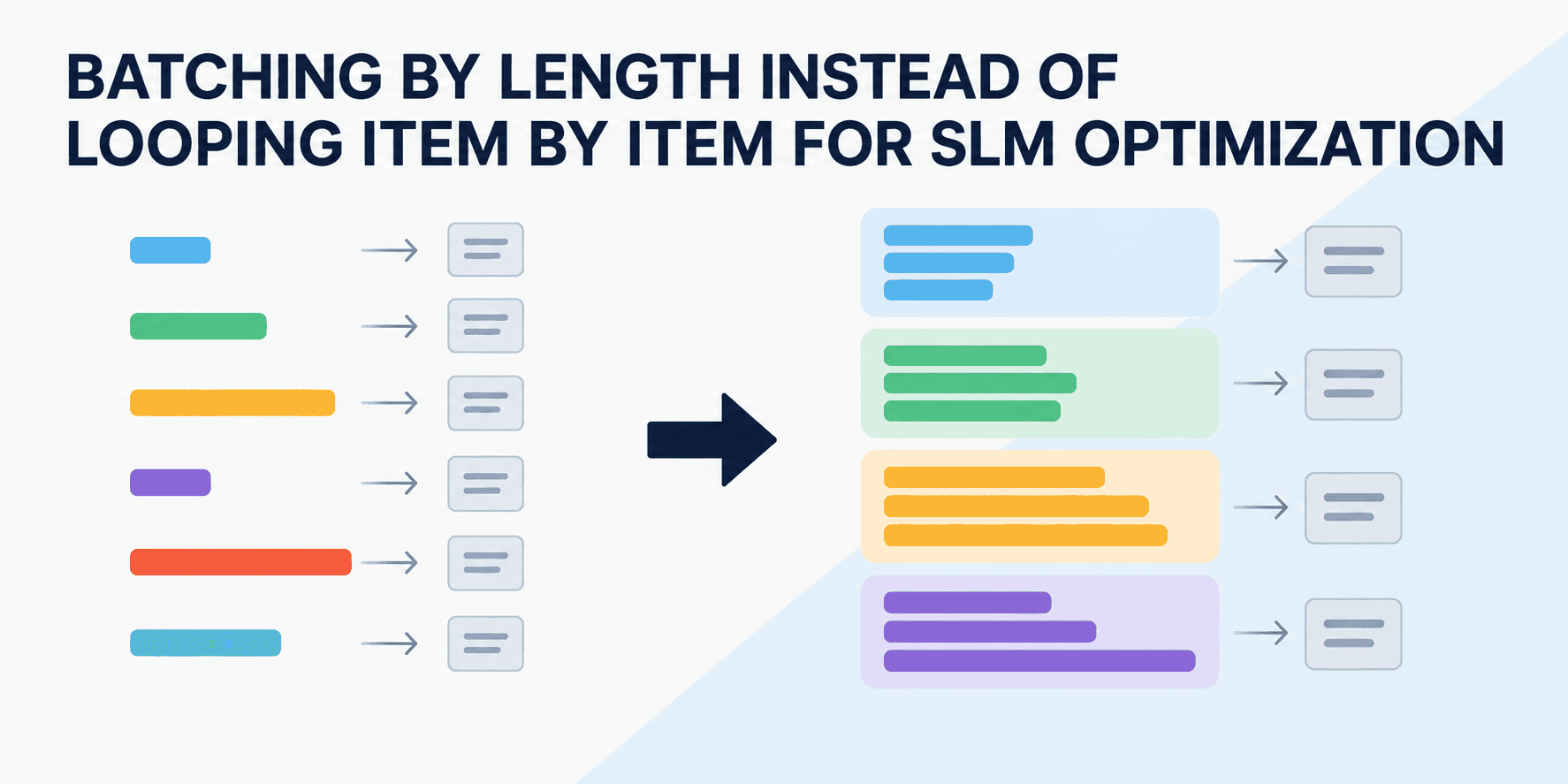
The primary objective highlighted in the original content is the necessity for LLMs to possess a nuanced understanding of context to deliver timely and relevant assistance. Achieving this goal involves a multi-faceted approach that integrates user preferences, real-world availability of products, and logistical considerations. By breaking down the processing into manageable chunks—utilizing both large foundational models and smaller language models (SLMs)—companies like Instacart can streamline their AI systems. This segmentation enables LLMs to better interpret user intent and recommend appropriate products based on current market conditions, thereby enhancing user experience and engagement.

Advantages of Fine-Grained Contextual Understanding

  • Enhanced User Engagement: By providing tailored recommendations, LLMs can significantly improve user satisfaction. As Kundu notes, if reasoning takes too long, users may abandon the application altogether.
  • Informed Decision-Making: The ability to discern between user preferences—such as organic versus regular products—enables LLMs to offer personalized options, thereby facilitating better choices.
  • Logistical Efficiency: Understanding the perishability of items (e.g., ice cream and frozen vegetables) allows for optimized delivery schedules, reducing waste and ensuring customer satisfaction.
  • Dynamic Adaptability: The integration of small language models allows for rapid re-evaluation of product availability, aiding in real-time problem-solving for stock shortages.
  • Modular System Architecture: By adopting a microagent approach, firms can manage various tasks more efficiently, leading to improved reliability and reduced complexity in handling multiple third-party integrations.

Caveats and Limitations

Despite the advantages, there are notable challenges. As highlighted by Kundu, the integration of various agents requires meticulous management to ensure consistent performance across different platforms. Additionally, the system’s reliance on real-time data can lead to discrepancies in availability and response times, necessitating a robust error-handling mechanism to mitigate user dissatisfaction.

Future Implications

The advancements in AI technology are poised to significantly reshape the landscape of real-time assistance in various applications, not limited to grocery delivery. As LLMs become more adept at processing fine-grained contextual information, we can expect a paradigm shift toward more intelligent, responsive systems capable of meeting user needs with unprecedented efficiency. Furthermore, the increasing integration of standards like OpenAI’s Model Context Protocol (MCP) and Google’s Universal Commerce Protocol (UCP) will likely enhance interoperability among AI agents, fostering innovation across industries.

Conclusion

In conclusion, the challenges posed by the “brownie recipe problem” serve as a profound reminder of the importance of context in the application of Generative AI. By focusing on fine-grained contextual understanding, organizations can better harness the capabilities of LLMs to provide timely, personalized, and effective user experiences. The future of AI applications lies in the continuous improvement of these models, ensuring they not only comprehend user intent but also adapt to the complexities of the real world.

Disclaimer

The content on this site is generated using AI technology that analyzes publicly available blog posts to extract and present key takeaways. We do not own, endorse, or claim intellectual property rights to the original blog content. Full credit is given to original authors and sources where applicable. Our summaries are intended solely for informational and educational purposes, offering AI-generated insights in a condensed format. They are not meant to substitute or replicate the full context of the original material. If you are a content owner and wish to request changes or removal, please contact us directly.

Source link :

Click Here

How We Help

Our comprehensive technical services deliver measurable business value through intelligent automation and data-driven decision support. By combining deep technical expertise with practical implementation experience, we transform theoretical capabilities into real-world advantages, driving efficiency improvements, cost reduction, and competitive differentiation across all industry sectors.

We'd Love To Hear From You

Transform your business with our AI.

Get In Touch