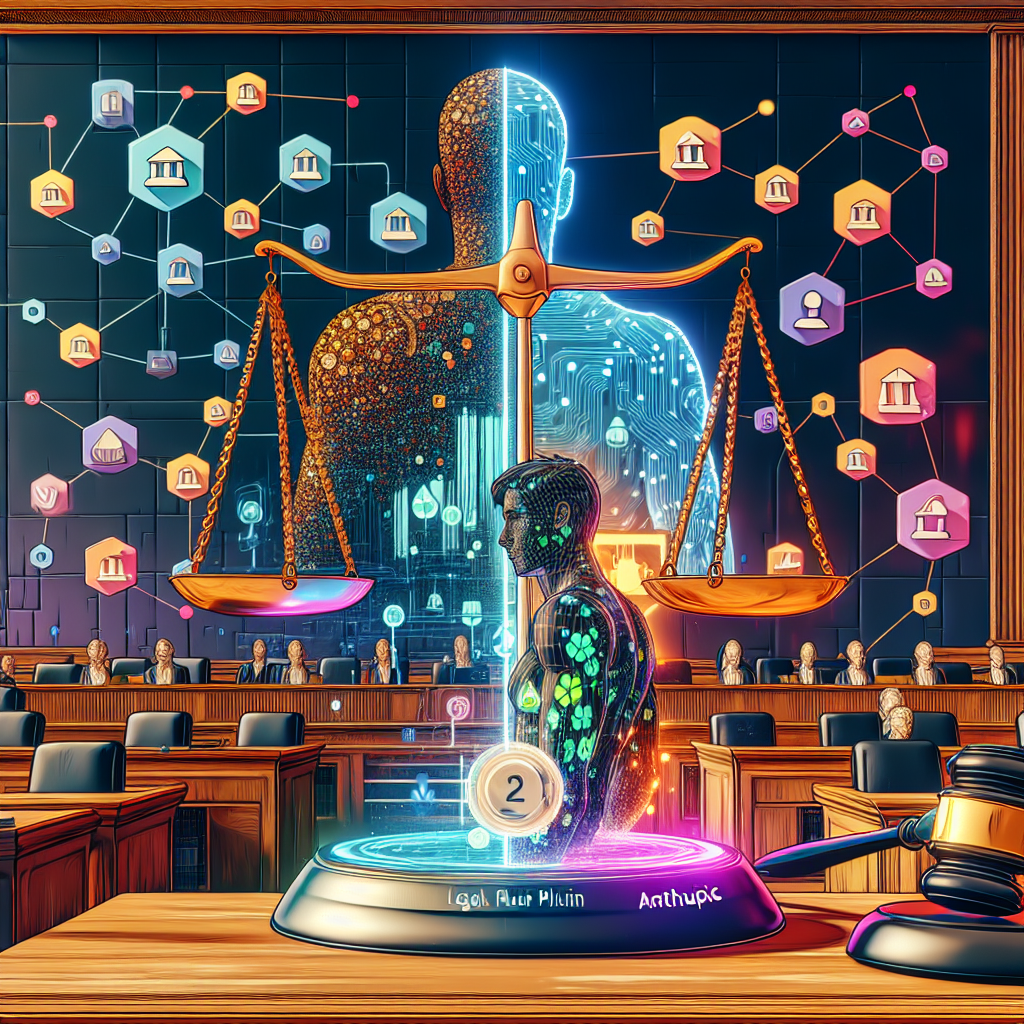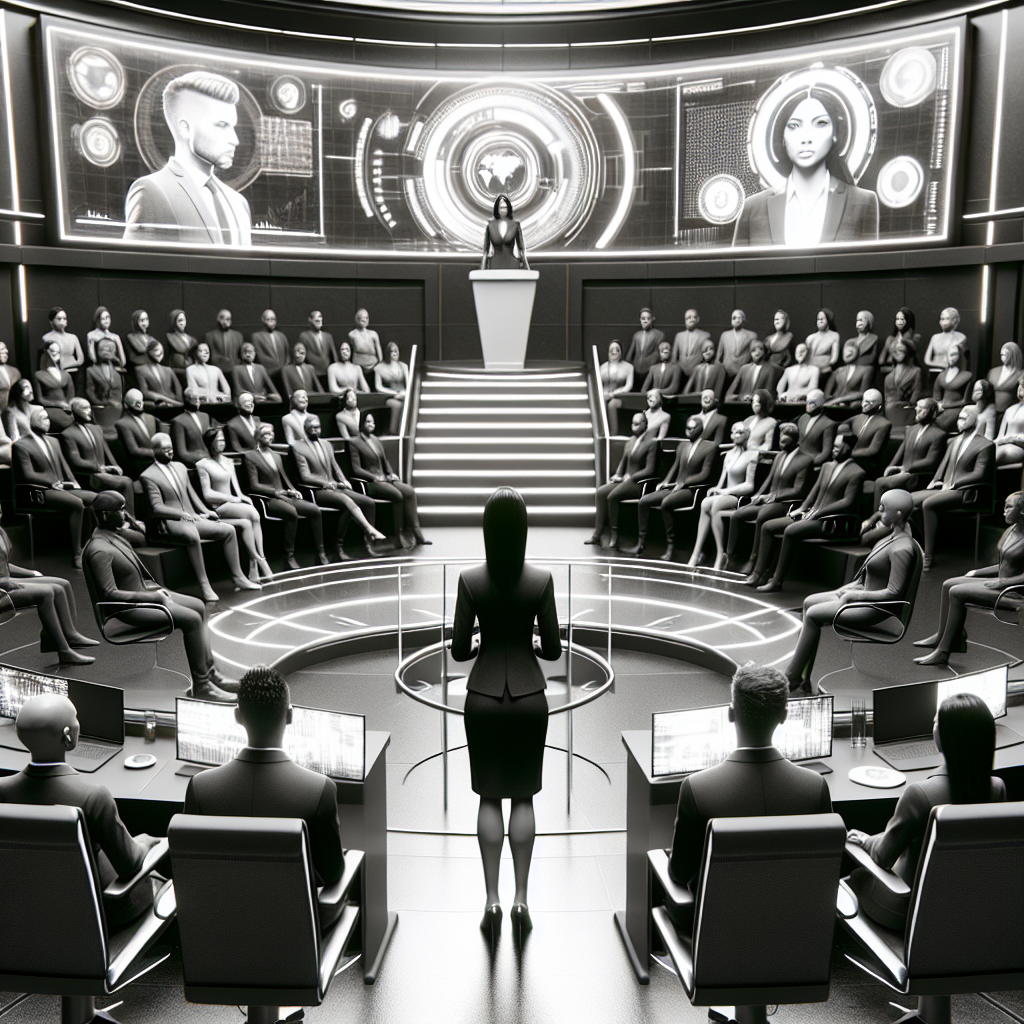
In the current landscape of the legal system, the role of jurors in courtroom decision-making has undergone significant scrutiny. The traditional approach, which often alienates jurors and restricts their ability to engage effectively with the material presented, has become increasingly incongruent with contemporary information consumption habits. This blog post examines the challenges faced by jurors in modern trials, emphasizing the necessity of reform to meet jurors where they are in 2026—rather than perpetuating outdated practices reminiscent of 1976.
Imagining the juror experience paints a disconcerting picture of isolation and confusion. Jurors are summoned to a sterile environment, stripped of their personal devices, and expected to make critical decisions without adequate context or comprehension. They are subjected to a linear flow of information characterized by lectures and testimonies that are often disengaging and disjointed. Such a process fosters an atmosphere where jurors struggle to grasp the complexities of the case, leading to potential misjudgments and frustrations.
The contemporary juror is thrust into an unfamiliar setting where traditional communication methods—such as lengthy lectures and passive absorption of information—dominate. The mismatch between the dynamic, interactive way individuals typically process information and the rigid structure of courtroom proceedings is glaring. This disconnect necessitates a reevaluation of how jurors are treated and the information they receive.
The primary goal articulated in the original post is to transform the courtroom experience for jurors by making it more interactive and respectful of their time and understanding. This can be achieved by implementing modern communication strategies that align with how individuals engage with information outside the courtroom. A shift towards concise, relatable, and engaging presentation methods will not only empower jurors but also enhance the overall efficacy of the legal process.
1. **Increased Comprehension**:
– By employing interactive methods of information delivery, jurors can better understand complex legal concepts and procedures.
– Evidence suggests that jurors who receive information in engaging formats exhibit higher retention rates (as indicated by improved outcomes in trial technology studies).
2. **Enhanced Engagement**:
– Interactive sessions that allow for questions and discussions can foster a greater sense of involvement, making jurors feel valued and respected.
– Engaging presentations have been shown to improve attention spans, reducing the likelihood of juror frustration.
3. **Streamlined Processes**:
– Efficient use of juror time, such as minimizing unnecessary delays and irrelevant discussions, can lead to more timely verdicts.
– Jurors are less likely to be disengaged if the process respects their time, potentially leading to reduced mistrust in the legal system.
4. **Real-World Decision-Making Alignment**:
– By adopting methods more in line with everyday decision-making processes—such as multimedia presentations and interactive Q&A—jurors can draw parallels between their experiences and their responsibilities in the courtroom.
– This alignment can bridge the gap between jurors’ expectations and the reality of their responsibilities.
While reforming the juror experience presents numerous advantages, it is essential to acknowledge certain limitations. Primarily, the legal framework is bound by evidentiary rules and procedural protections that must be respected to ensure fair trial standards. Additionally, the transition to modernized practices may face resistance from traditionalists within the legal community who may view such changes as undermining the integrity of court procedures.
As Artificial Intelligence (AI) continues to evolve, its potential to transform the courtroom experience becomes increasingly apparent. AI can facilitate more personalized juror engagement by providing tailored information and resources that cater to diverse learning styles. Additionally, AI-driven tools can streamline evidence presentation, making it more accessible and understandable for jurors.
Future developments in AI technology may also enhance juror selection processes, allowing for more representative and diverse juries that reflect the community’s demographics. Furthermore, AI can assist in creating educational materials—such as instructional videos and interactive platforms—that demystify courtroom processes for jurors before they arrive in the courtroom.
In summary, the imperative to evolve the juror experience in the legal system is clear. By embracing modern communication techniques and integrating AI-driven solutions, the legal profession can foster a more respectful, engaging, and effective courtroom environment. The journey toward reform hinges on recognizing the critical role jurors play in the justice system and ensuring they are met where they are—today, in 2026, and beyond.
Disclaimer
The content on this site is generated using AI technology that analyzes publicly available blog posts to extract and present key takeaways. We do not own, endorse, or claim intellectual property rights to the original blog content. Full credit is given to original authors and sources where applicable. Our summaries are intended solely for informational and educational purposes, offering AI-generated insights in a condensed format. They are not meant to substitute or replicate the full context of the original material. If you are a content owner and wish to request changes or removal, please contact us directly.
Source link :