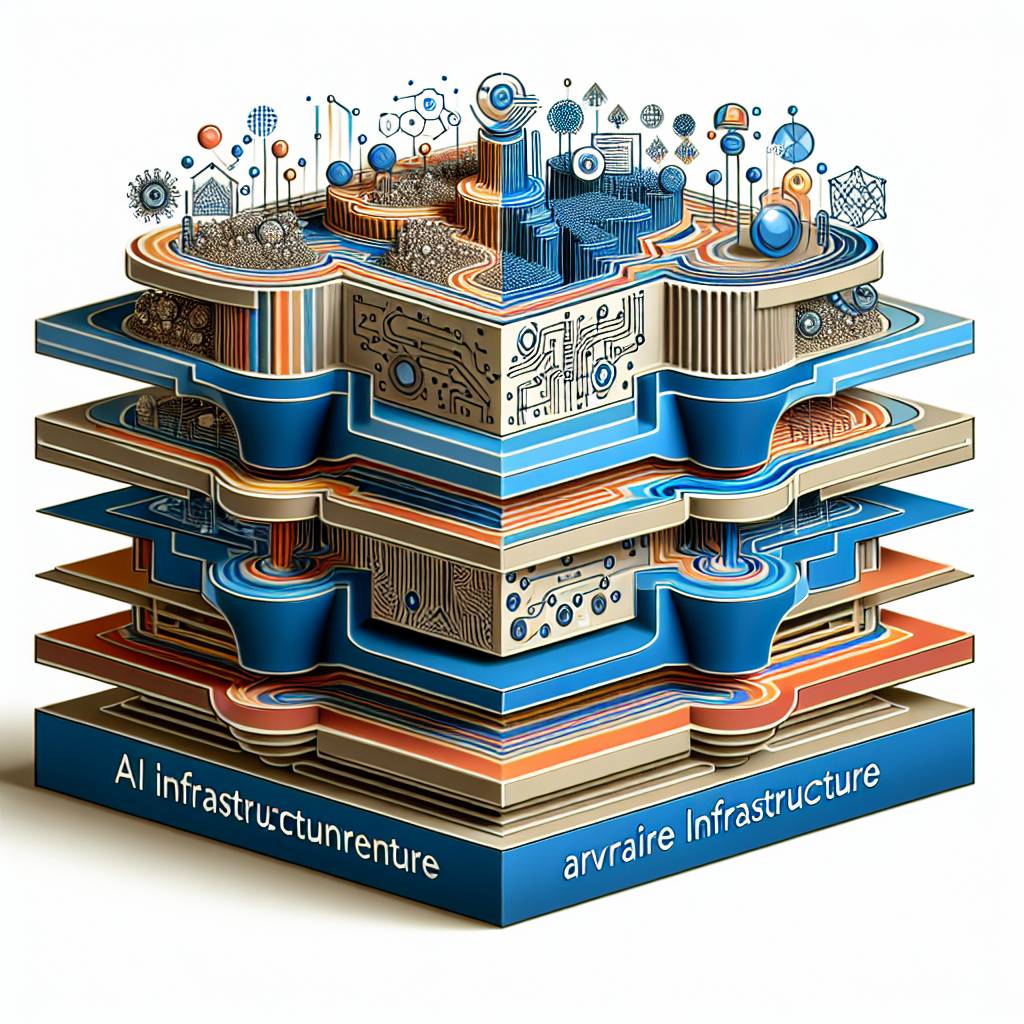
Artificial intelligence (AI) is currently undergoing a transformative expansion, heralded by industry leaders as the foundational element for the most significant infrastructure development in human history. This assertion was prominently articulated by Jensen Huang, CEO of NVIDIA, during a session at the World Economic Forum in Davos, Switzerland. Huang’s characterization of AI as a “five-layer cake” emphasizes the multi-faceted nature of AI’s infrastructure, which encompasses energy, semiconductor technology, computing frameworks, cloud data centers, AI models, and the application layer. This framework serves as a blueprint for understanding how AI is reshaping the global workforce, shifting focus from mundane tasks to more purpose-driven roles that enhance productivity across various sectors.
The primary goal expressed by Huang is to illustrate how AI can act as a catalyst for job creation and economic growth across diverse industries. This transformation is achievable through a systematic investment in each layer of AI’s infrastructure, which collectively facilitates the development of AI-native applications that can revolutionize sectors such as healthcare, manufacturing, and financial services. By nurturing AI technology and fostering a skilled workforce, stakeholders can harness its full potential, thereby driving substantial economic benefits and societal progress.
The integration of AI into various sectors presents several notable advantages, supported by Huang’s insights:
1. **Job Creation Across Industries**: AI is projected to create a myriad of job opportunities, spanning from skilled trades to advanced technology roles. As Huang indicated, the demand for professionals such as electricians, construction workers, and data scientists is on the rise, necessitating a workforce equipped to handle these new roles.
2. **Enhanced Productivity**: AI applications in sectors like healthcare have demonstrated the capability to streamline operations, allowing professionals to focus on core responsibilities. For example, AI aids radiologists by expediting image analysis, thereby increasing patient interaction time and necessitating a greater number of healthcare professionals.
3. **Accessibility of AI Tools**: Huang emphasized the user-friendly nature of AI technologies, which have rapidly reached a broad audience. This accessibility facilitates AI literacy, enabling a wider segment of the population to engage with and benefit from AI advancements.
4. **Closing Technology Gaps**: AI holds promise in bridging long-standing technological divides, particularly in developing nations. By leveraging AI, these countries can enhance their industrial capabilities and move toward more competitive positions in the global economy.
5. **Investment Opportunities**: The surge in venture capital funding for AI-native companies underscores the lucrative potential of this sector. Huang noted that 2025 is anticipated to be a landmark year for AI investments, highlighting its role as a critical area for economic engagement.
As the landscape of AI continues to evolve, its implications for the workforce and global economy will be profound. The ongoing development of generative AI models and applications will likely result in the emergence of new job categories and the necessity for continual reskilling of the workforce. Moreover, sectors such as healthcare and manufacturing will experience heightened efficiencies, translating into improved service delivery and operational effectiveness.
Furthermore, the integration of AI into critical infrastructure—akin to electricity and transportation systems—demonstrates its potential to enhance national competitiveness. Countries that prioritize the development of homegrown AI capabilities, while fostering a culture of innovation and investment, will likely position themselves favorably in the global market.
In conclusion, the convergence of AI with various industries signals a paradigm shift that could redefine work and economic structures for generations to come. By understanding and embracing these changes, stakeholders can lay the groundwork for a robust and inclusive future driven by AI advancements.
Disclaimer
The content on this site is generated using AI technology that analyzes publicly available blog posts to extract and present key takeaways. We do not own, endorse, or claim intellectual property rights to the original blog content. Full credit is given to original authors and sources where applicable. Our summaries are intended solely for informational and educational purposes, offering AI-generated insights in a condensed format. They are not meant to substitute or replicate the full context of the original material. If you are a content owner and wish to request changes or removal, please contact us directly.
Source link :