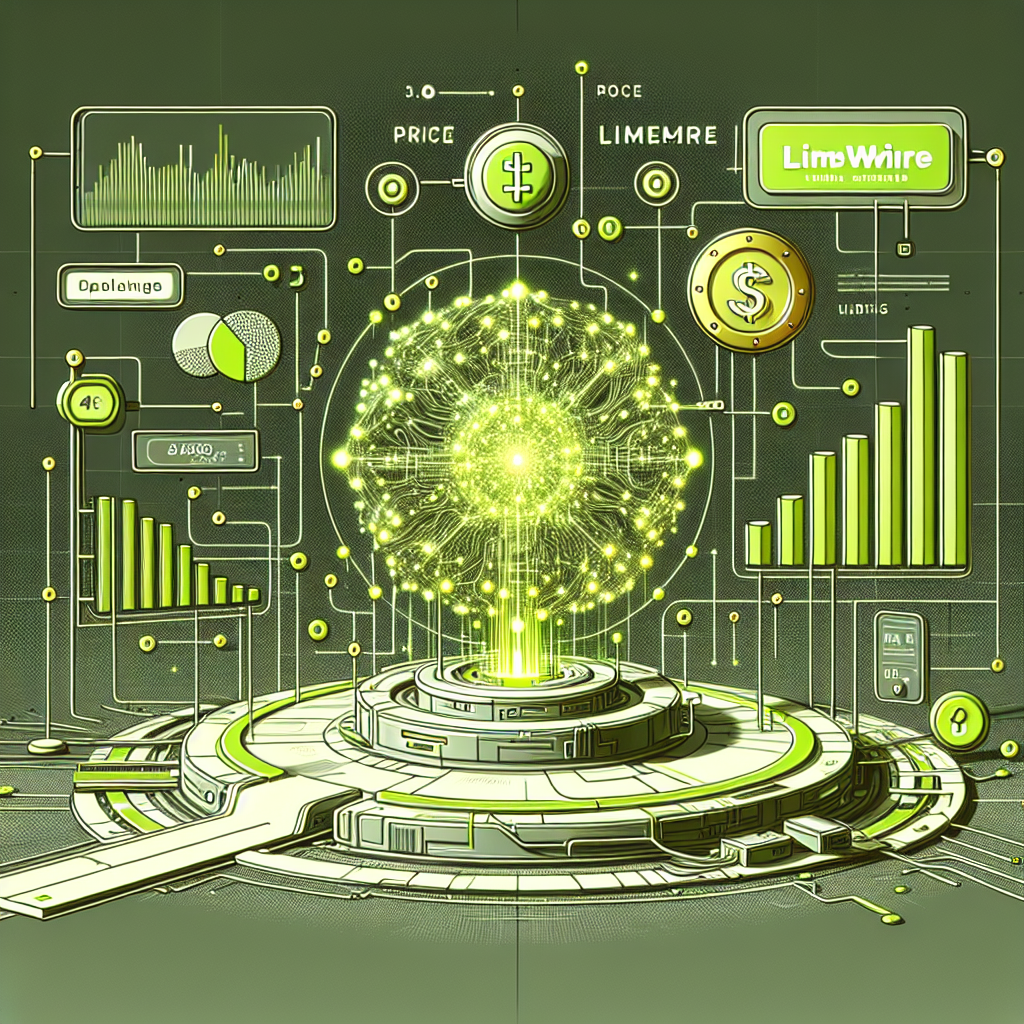
In an era characterized by rapid advancements in artificial intelligence (AI), platforms such as LimeWire have emerged, redefining the landscape of generative AI tools. LimeWire has transitioned from its historical roots as a file-sharing service to a cutting-edge platform that empowers users to create, share, and monetize AI-generated content. This transformation is pivotal in the realm of applied machine learning, offering both creators and consumers new methods to engage with digital content. The focus of this discussion is to dissect LimeWire’s offerings, elucidate the benefits for machine learning practitioners, and explore the broader ramifications of such innovations within the industry.
The contemporary landscape of AI technology is witnessing unprecedented growth and diversity. LimeWire stands out as an innovative platform that facilitates content creation through generative AI. By enabling users to generate images, music, and videos, it provides a unique opportunity for creators to monetize their artistic endeavors. This blog post aims to explore the features of LimeWire, the benefits it offers to creators, and the implications for machine learning practitioners in the context of applied AI.
The primary goal of LimeWire is to democratize content creation by leveraging AI technologies, thereby allowing creators to easily generate and monetize their work. This can be accomplished through its user-friendly interface, which integrates advanced machine learning models for image generation and content creation. By providing tools for creators to mint their work as Non-Fungible Tokens (NFTs) and to earn revenue through ad sharing, LimeWire establishes a robust ecosystem for creative expression.
1. **User-Friendly Interface**: LimeWire’s design caters to both novice and experienced creators, making it accessible to a broad audience. This is pivotal for machine learning practitioners as it lowers the barrier to entry, allowing more individuals to experiment with AI technologies.
2. **Diverse AI Models**: The platform supports various advanced AI models, including Stable Diffusion and DALL-E, enabling users to explore different styles and outputs. This versatility is crucial for creators aiming to produce unique content and is beneficial for ML practitioners who can leverage these models for their projects.
3. **Monetization Opportunities**: LimeWire offers creators multiple avenues for monetization, including ad revenue sharing and NFT minting. This financial incentive encourages users to engage with the platform and can provide machine learning practitioners with insights into market dynamics and consumer behavior.
4. **Integration of NFTs**: The ability to mint digital content as NFTs on the Polygon or Algorand blockchains secures ownership and authenticity. This technological integration resonates with the growing trend of blockchain in machine learning applications, fostering a deeper understanding of decentralized technologies.
5. **Community Engagement**: LimeWire fosters a community-centric approach, allowing users to subscribe to creators and trade NFTs. This engagement cultivates a collaborative environment, which is essential for the evolution of creative AI technologies and their acceptance in mainstream markets.
6. **Regular Updates and Expansion**: The platform’s commitment to innovation, including plans to introduce new generative tools for music and video, positions it favorably within the fast-evolving AI landscape. This aspect is vital for practitioners who must stay abreast of emerging technologies to maintain competitive advantage.
The developments in AI tools like LimeWire will significantly impact the future of content creation and the applied machine learning field. As generative AI becomes more accessible, we can anticipate a surge in creative output across various domains, including art, music, and digital media. This democratization may lead to an increased demand for machine learning professionals who can develop and refine these AI systems, thus fostering new job opportunities and career paths.
Moreover, as platforms integrate more sophisticated AI capabilities, the ethical implications surrounding copyright, ownership, and AI-generated content will gain prominence. Machine learning practitioners will need to navigate these complex issues, ensuring that advancements in technology align with societal values and legal frameworks.
In conclusion, the continuous evolution of AI platforms such as LimeWire holds immense potential for transforming content creation. By embracing these innovations, machine learning practitioners can harness new opportunities while contributing to the responsible development and application of AI technologies in creative industries.
Disclaimer
The content on this site is generated using AI technology that analyzes publicly available blog posts to extract and present key takeaways. We do not own, endorse, or claim intellectual property rights to the original blog content. Full credit is given to original authors and sources where applicable. Our summaries are intended solely for informational and educational purposes, offering AI-generated insights in a condensed format. They are not meant to substitute or replicate the full context of the original material. If you are a content owner and wish to request changes or removal, please contact us directly.
Source link :