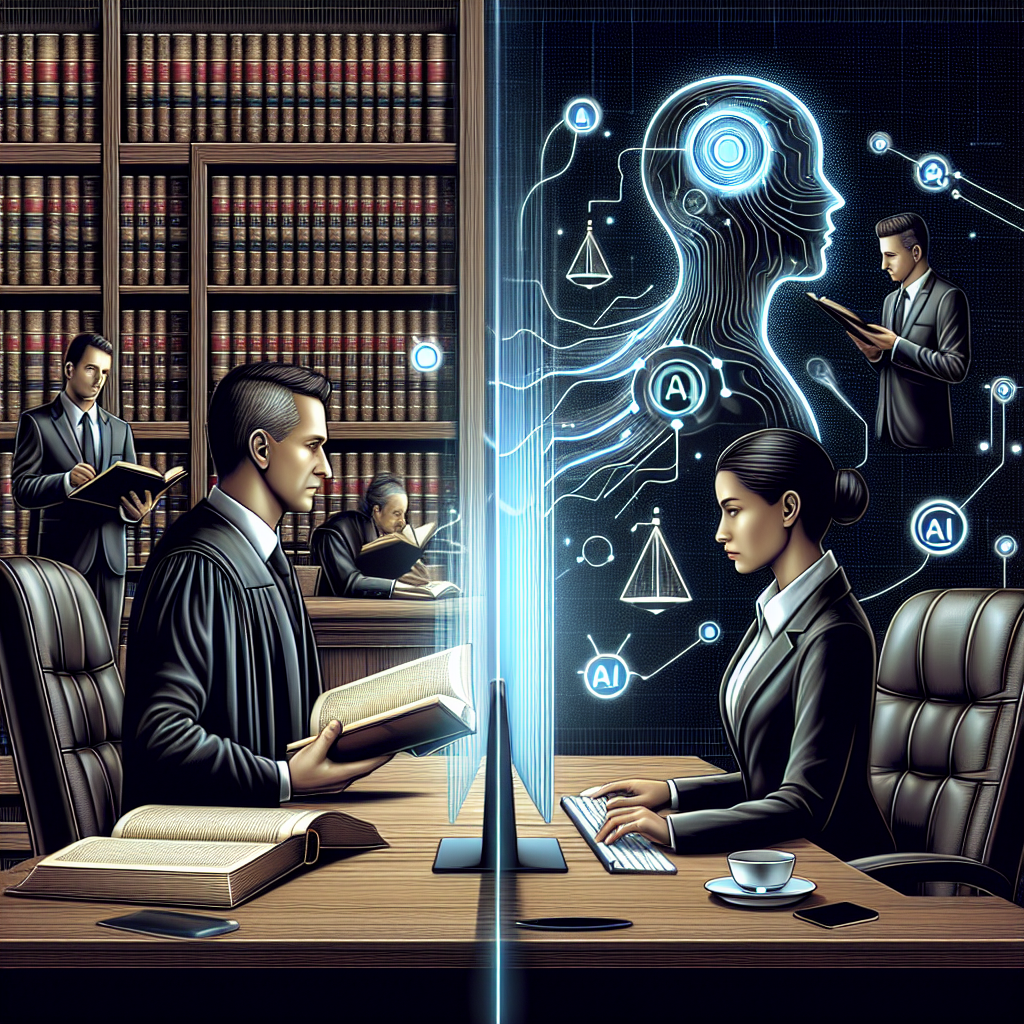
The ongoing legal discourse surrounding social media platforms is significantly influenced by recent judicial decisions such as *Brooks v. TikTok Inc.* This case highlights the nuanced relationship between private entities like TikTok and the United States government, particularly in the context of First Amendment rights. The plaintiff, Jason Brooks, alleged that the termination and demonetization of his TikTok accounts constituted a violation of his free speech rights, asserting that TikTok had effectively become a state actor due to coercive pressures from federal entities. The court, however, dismissed these claims, establishing a critical precedent regarding the classification of social media platforms in legal terms. This ruling underscores a pivotal intersection of technology, law, and governance that has implications for LegalTech and AI professionals.
The primary aim of the *Brooks v. TikTok* decision was to clarify the legal standing of social media companies concerning state action doctrines. Specifically, the court sought to delineate the boundaries of governmental influence on private platforms and whether such influence could transform these platforms into state actors. This goal can be achieved through rigorous legal analysis and the establishment of clear guidelines that differentiate between government oversight and private moderation practices. By reinforcing the notion that social media companies operate independently unless explicitly coerced by government entities, this ruling strengthens the legal framework within which these companies function.
1. **Clarification of Legal Boundaries**: The ruling provides a clear delineation between private action and state action, thus assisting legal professionals in understanding the limits of First Amendment protections in the context of social media. This clarity is essential for advising clients on potential litigation strategies related to content moderation.
2. **Implications for Content Moderation Policies**: As social media platforms refine their content moderation policies, the ruling offers guidance on how to navigate potential legal repercussions stemming from perceived biases or censorship, thus promoting fair practices.
3. **Encouragement of Robust Legal Frameworks**: The decision encourages lawmakers to create more comprehensive regulations governing the relationship between digital platforms and the government, fostering a more transparent and accountable digital ecosystem.
4. **Mitigation of Legal Risks**: By asserting that TikTok is not a state actor under current conditions, the ruling minimizes potential liabilities for social media companies in content moderation disputes, allowing them to operate with greater confidence.
5. **Guidance for Future Litigation**: Legal practitioners can now leverage this case when formulating arguments related to state action claims, thereby enhancing the efficacy of their legal strategies.
While the ruling presents numerous advantages, it is crucial to acknowledge that it does not preclude future challenges or shifts in legal interpretations, especially as governmental interactions with social media evolve.
As artificial intelligence continues to permeate the landscape of legal technology, its implications for cases like *Brooks v. TikTok* are profound. The integration of AI in content moderation could lead to a reevaluation of how courts interpret state action, particularly if algorithms are seen as extensions of government policy. For instance, should a future administration exert influence over AI moderation tools, the classification of platforms as state actors could shift dramatically.
Moreover, advancements in AI could enhance transparency in content moderation processes, providing clearer insights into how decisions are made. This could lead to an increase in accountability for both platforms and the government, further complicating the legal landscape. Legal professionals must remain agile, adapting to these technological changes and their associated legal ramifications to effectively advocate for their clients within this dynamic framework.
In conclusion, the *Brooks v. TikTok* case serves as a pivotal reference point for understanding the legal dynamics between social media platforms and governmental authority. As the landscape continues to evolve with technological advancements, particularly in AI, legal professionals must remain vigilant and adaptive to navigate this complex terrain effectively.
Disclaimer
The content on this site is generated using AI technology that analyzes publicly available blog posts to extract and present key takeaways. We do not own, endorse, or claim intellectual property rights to the original blog content. Full credit is given to original authors and sources where applicable. Our summaries are intended solely for informational and educational purposes, offering AI-generated insights in a condensed format. They are not meant to substitute or replicate the full context of the original material. If you are a content owner and wish to request changes or removal, please contact us directly.
Source link :